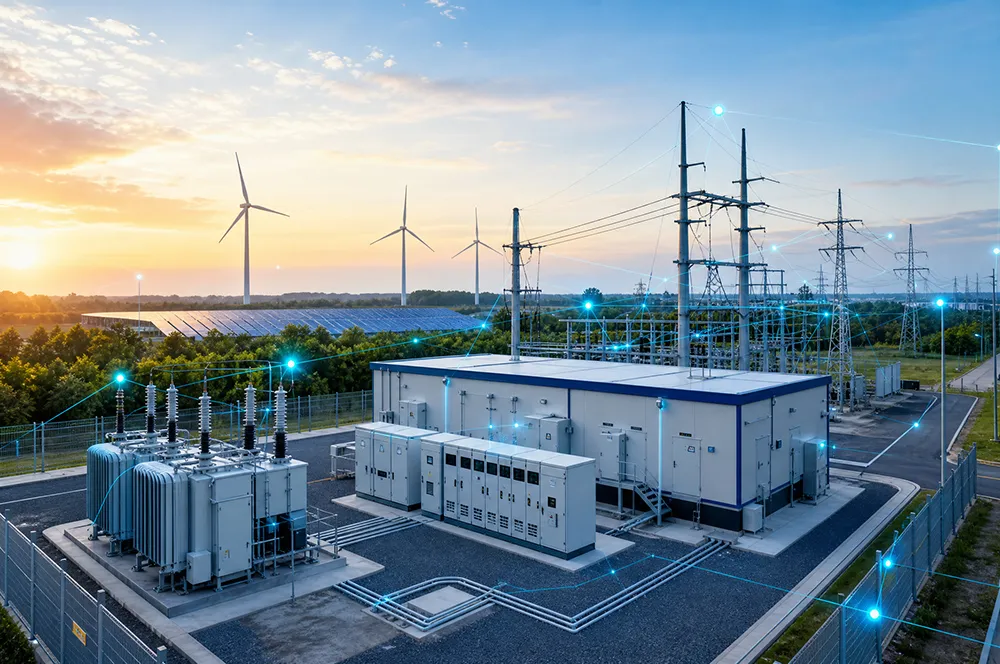
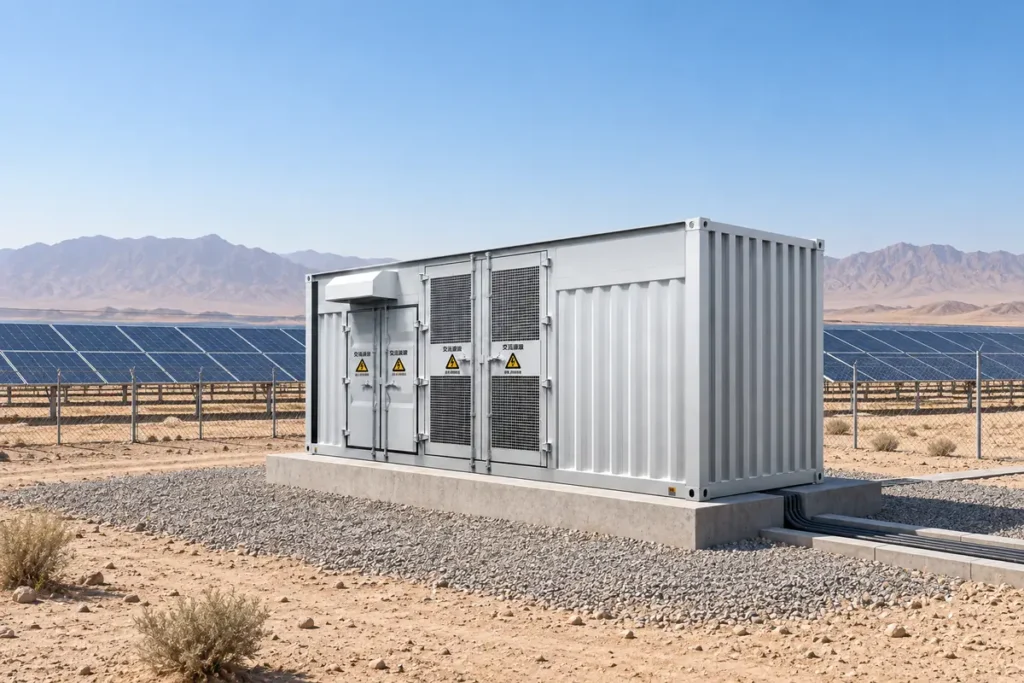
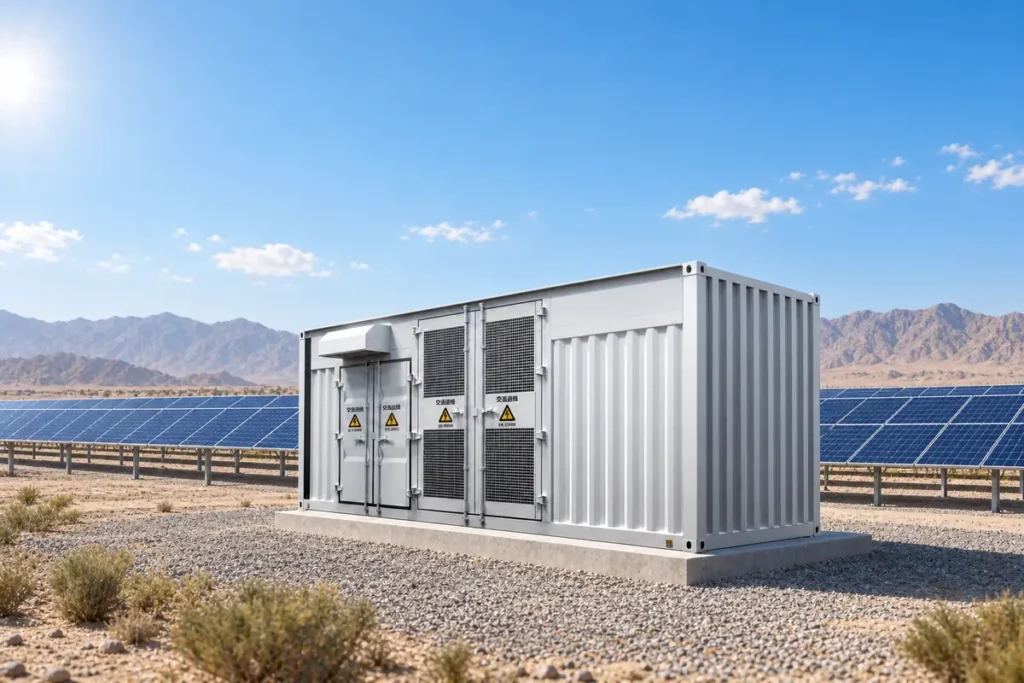
In the vast world of electrical systems, substation equipment plays a crucial role in the generation, transmission, and distribution of electricity. These installations are pivotal in transforming voltage levels, ensuring efficient power distribution, and maintaining the reliability of electrical networks. In this article, we will delve into the types, functions, and working principles of substation equipment, providing a comprehensive understanding for both industry professionals and interested readers.
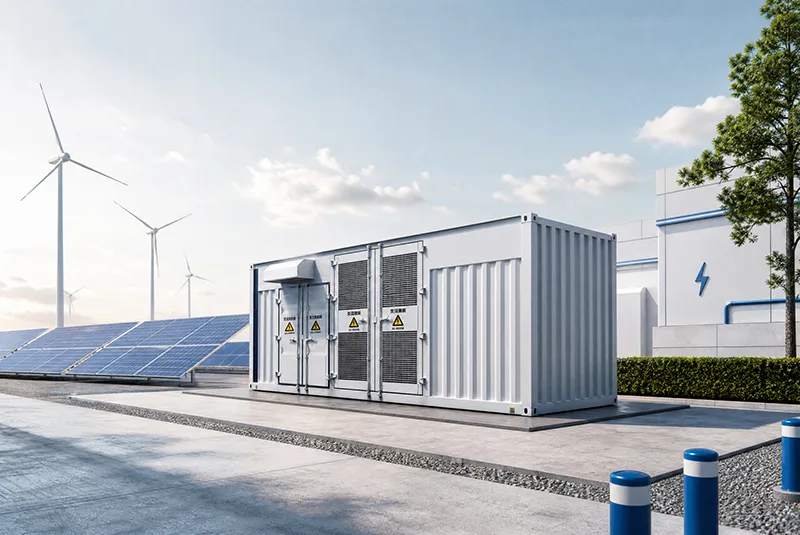
Types of Substation Equipment
Substation equipment can be categorized into several types, each serving a specific function within the electrical system. Key components include:
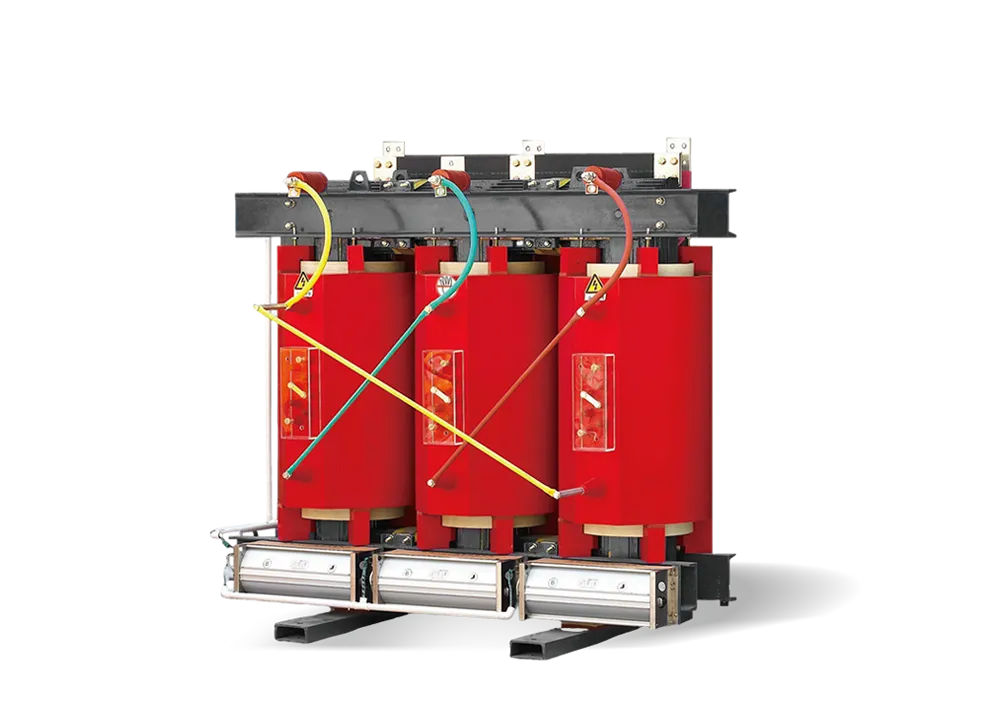
Transformers: Vital for changing voltage levels, transformers enable the transport of electricity over long distances by stepping up voltage for transmission and stepping it down for distribution.
Switchgear: This equipment is essential for controlling and protecting electrical circuits. Switchgear includes circuit breakers, switches, and disconnectors that manage the flow of electricity and facilitate maintenance.
Capacitors and Reactors: Used for power factor correction, capacitors improve the efficiency of the power system, while reactors manage voltage levels by limiting short-circuit currents.
Relays: These are protective devices that detect faults in the system and initiate circuit breaker operations to isolate the fault, thereby protecting both the equipment and the integrity of the power supply.
The Role of Substation Equipment
The function of substation equipment extends beyond mere power transmission. These components ensure the safety, efficiency, and reliability of electrical networks. Key roles include:
1. Voltage Transformation: As mentioned, transformers are critical in adjusting voltage levels to minimize energy loss during transmission.
2. System Protection: Switchgear and relays are indispensable for safeguarding equipment and ensuring a rapid response to faults.
3. Load Management: Capacitors and reactors are employed to optimize load management strategies, enhancing the overall system performance.
How Do Substation Equipment Work?
The working principle of substation equipment can be summarized as follows:
When electricity generated from power plants enters the substation, it first passes through transformers that modify the voltage to appropriate levels. Switchgear accompanies this transition, enabling operators to control the electrical flow and redirect it as needed. Protective devices such as relays continuously monitor the system for irregularities. In case of a fault, they send signals to circuit breakers, which act swiftly to disconnect affected circuits, preventing further issues. Capacitors may be employed in tandem to enhance efficiency and correct power factors during this entire process.
Frequently Asked Questions
What types of substation equipment are there?
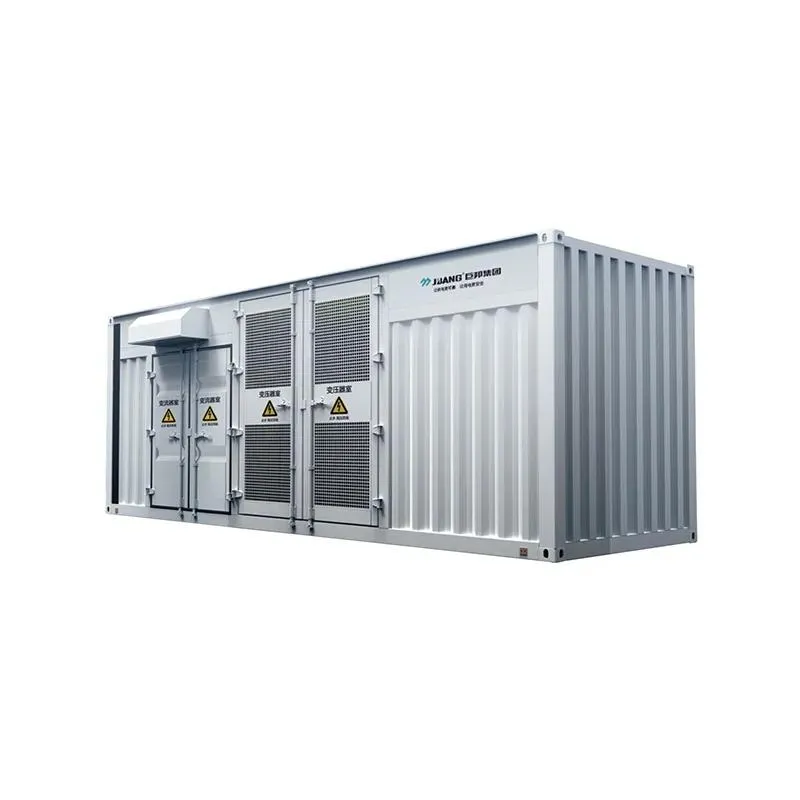
The primary types include transformers, switchgear, capacitors, reactors, and relays, each serving distinct functions to ensure efficient power distribution. Other components often found in substations include busbars for current distribution, surge arresters to protect against voltage spikes, and isolators for safe maintenance operations.
What is the function of substation equipment?
Substation equipment is pivotal in voltage transformation, system protection, and load management to enhance the reliability of electrical networks. These components also ensure the seamless transfer of power between various voltage levels, providing safe and efficient energy distribution across residential, commercial, and industrial applications.
How do substation equipment work?
Substation equipment operates by modifying voltage levels, controlling electrical flow, switching circuits during faults, and maintaining power quality within predefined parameters. This ensures the reliability and safety of electricity supply to end-users.
Why is substation equipment important?
Substation equipment is crucial for maintaining the integrity and efficiency of power systems. It enables long-distance electricity transmission, protects systems from potential faults, balances load demands, and ensures consistent power delivery to consumers.
What are the challenges involved in maintaining substation equipment?
Challenges in maintaining substation equipment include aging infrastructure, weather-related damage, cybersecurity threats, and the need for regular testing and monitoring to ensure optimal performance. Proactive maintenance strategies and modern technology adoption can address these challenges effectively.
What are the different types of substations?
Substations typically fall into three categories: transmission substations, distribution substations, and collector substations. Each type serves a unique purpose in the power system, from high-voltage transmission to delivering electricity directly to end-users and collecting power from renewable energy sources like wind and solar farms.
What is an example of how substation equipment contributes to grid stability?
One example of substation equipment contributing to grid stability is through the use of reactive power compensation. Capacitors and reactors maintain voltage stability by balancing the reactive power, reducing energy loss, and mitigating voltage fluctuations in the grid.
Can substation equipment be modernized for renewable energy integration?
Yes, substation equipment can be upgraded to accommodate growing renewable energy sources such as wind and solar. This often involves installing advanced sensors, digital relays, and energy storage solutions to ensure the grid remains stable and efficient while handling fluctuating energy inputs.
How can substation automation improve substation operations?
Substation automation leverages digital devices, smart sensors, and communication protocols to streamline monitoring, control, and protection tasks. This can lead to improved reliability, faster fault detection and isolation, lower operational costs, and enhanced power quality.
In conclusion, understanding substation equipment is essential for grasping the complexities of our electrical systems. These installations not only facilitate the transport of electricity but also enhance the safety and reliability of our power infrastructure. As technology advances, the role of substation equipment will continue to evolve, underscoring the importance of these vital components in our daily lives.

 JUBANG