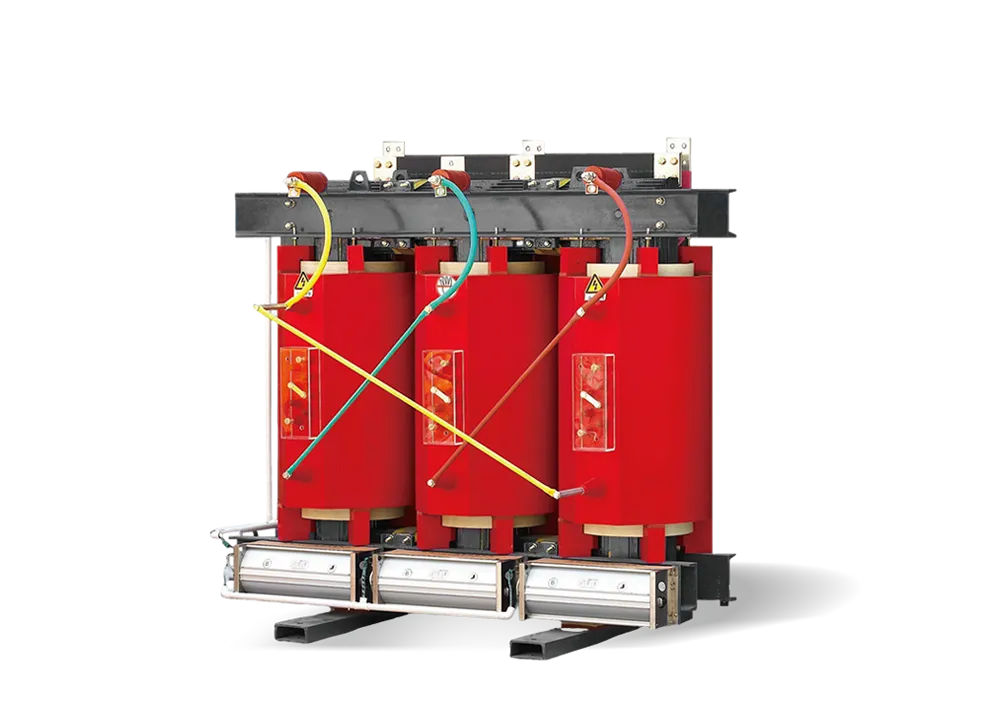
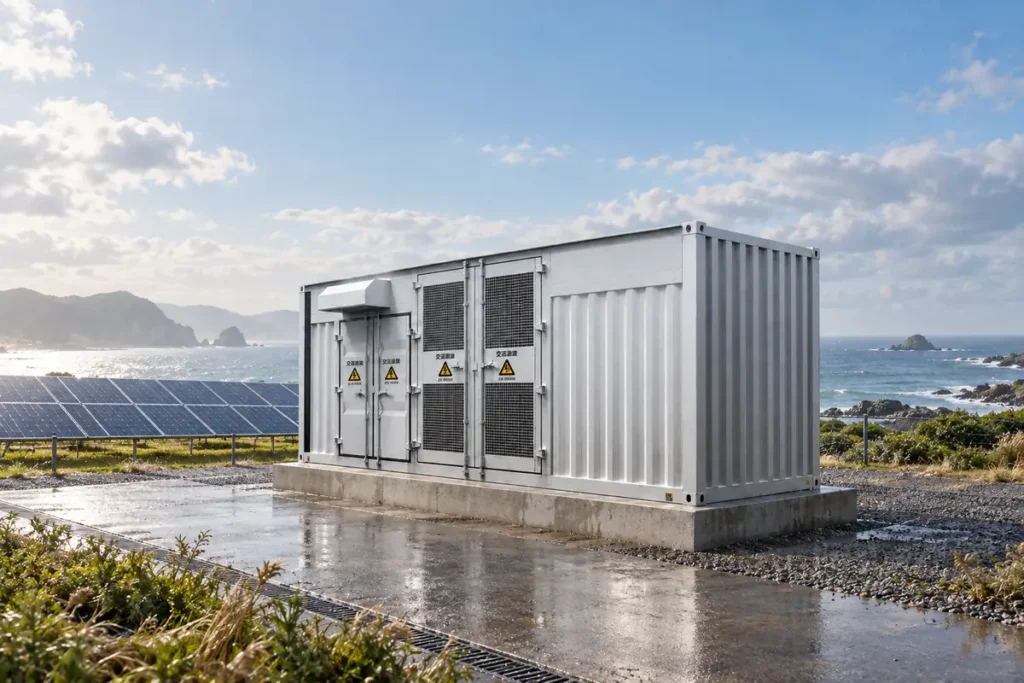
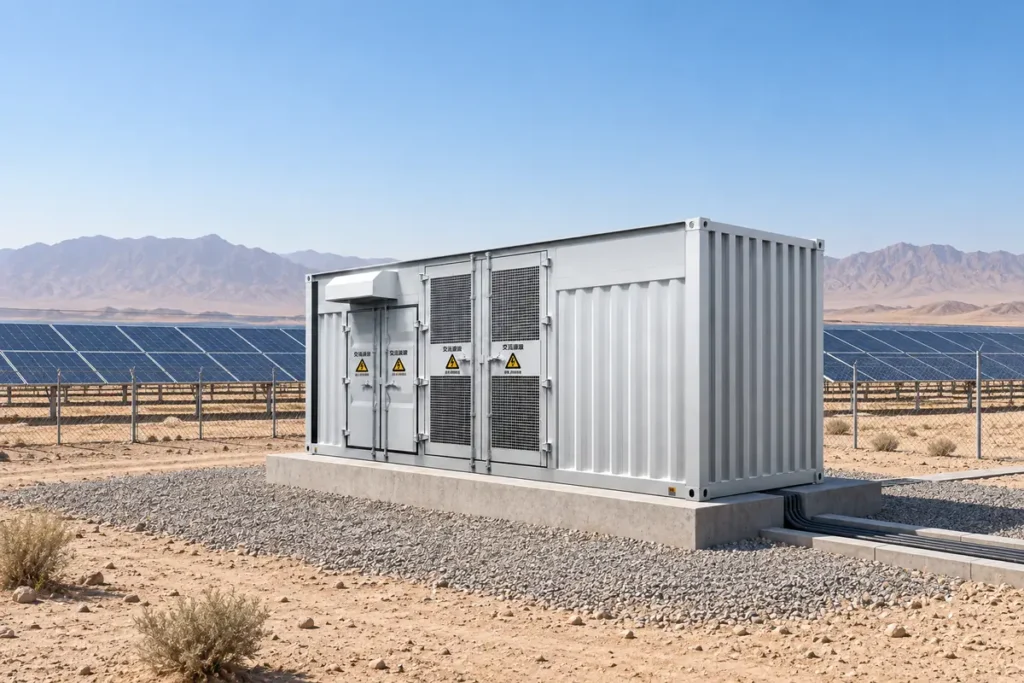
Power transformers have undergone constant development, and one area of innovation that has become increasingly apparent in recent years is the use of 3D wound core power transformers. These transformers employ cutting-edge design methods that greatly enhance efficiency, decrease losses, and improve overall reliability. In this article, we will define what a 3D wound core power transformer is, examine both the benefits and drawbacks of using this type of transformer, and illustrate some applications for which they may be useful.
What is a 3D Wound Core Power Transformer?
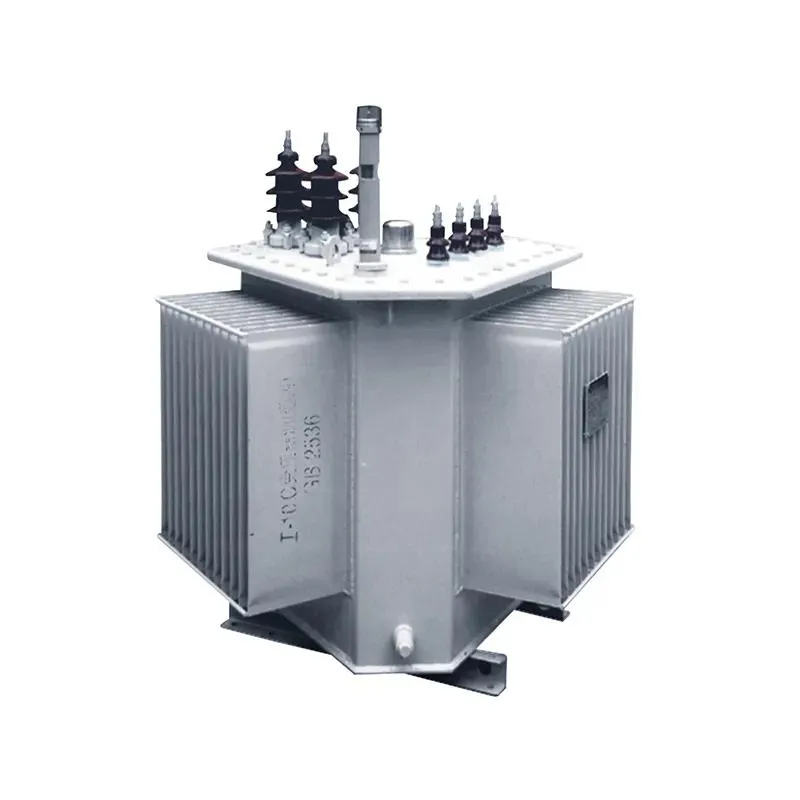
The design of a 3D wound core power transformer includes a three-dimensional configuration of the core. This unique design allows for the placement of the winding, optimally utilizing the magnetic flux path while decreasing paste losses, thus creating an efficient device. The new design combines both the winding with the core so that the magnetically induced flux from the windings will be contained and used by the core.
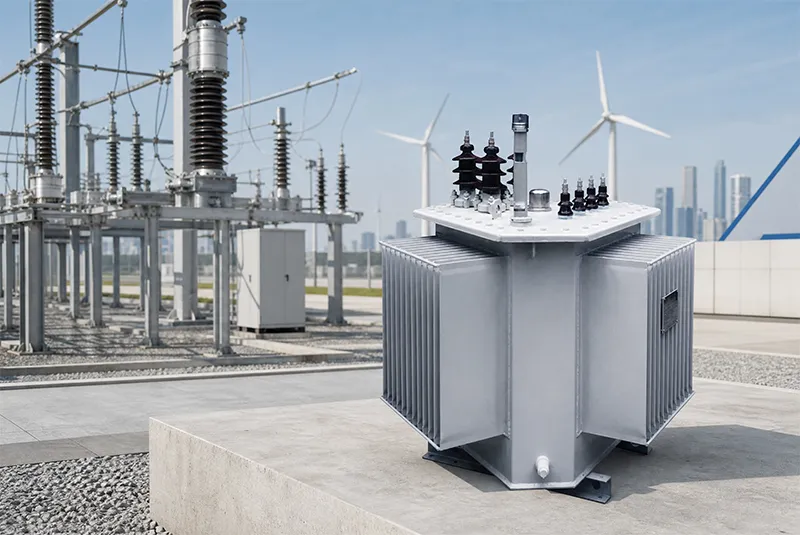
Advantages of 3D Wound Core Power Transformers
Utilizing a 3D wound core power transformer in electrical applications provides many benefits:
1. Improved Efficiency: One benefit is improved efficiency. Because the design minimizes losses due to increased magnetic coupling, these transformers tend to have lower no load losses than conventional designs.
2. Compact Design: 3D wound core transformers generally have more compact designs than traditional transformers due to their efficient design. This is an important feature for applications where available space is limited.
3. Lower Noise: Due to the specific design of the core and windings, there will be a large reduction in the overall amount of noise created by this equipment making it an ideal choice for the city/residential usage where noise pollution is an issue.
The design allows for enhanced heat dissipation, which increases thermal performance and therefore can improve the overall life span and reliability of the operation.
Disadvantages of 3D Wound Core Power Transformers
While the advantages are substantial, there are some drawbacks to consider:
Higher Up-front Costs: Due to the higher complexity of the manufacturing process for this type of transformer, the initial costs may be higher than those of a conventional transformer.
Advanced design can mean specialized maintenance skills are required and may be of limited availability if there is poor access to trained personnel.
What are the Uses of a 3D Wound Core Power Transformer?
The 3D wound core power transformer finds its applications across various sectors, including:
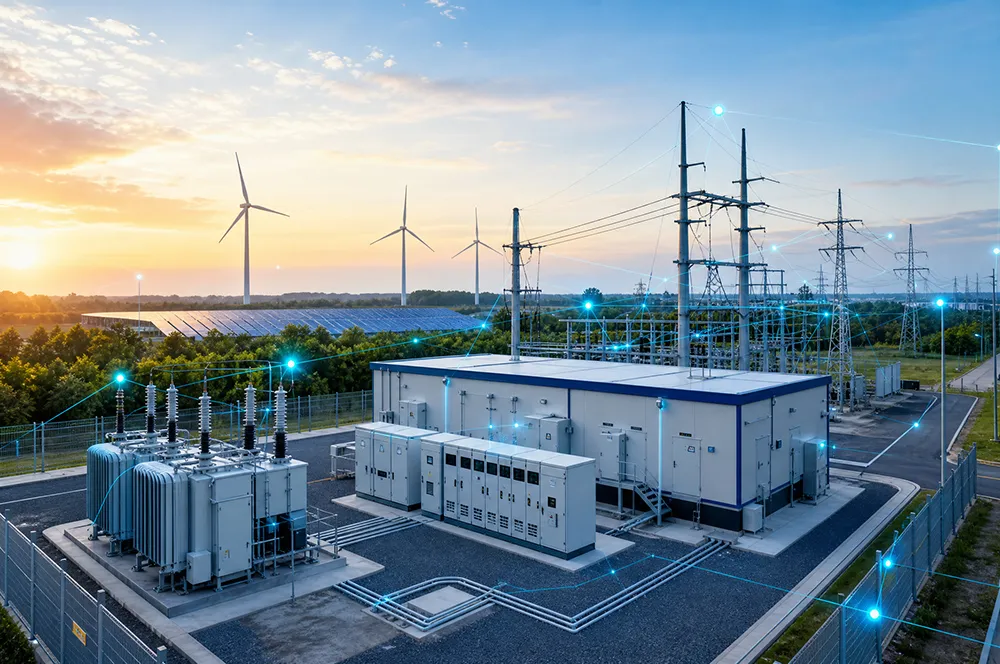
Renewable Energy Systems are gaining popularity as an efficient way to convert energy through the use of wind and solar energy systems.
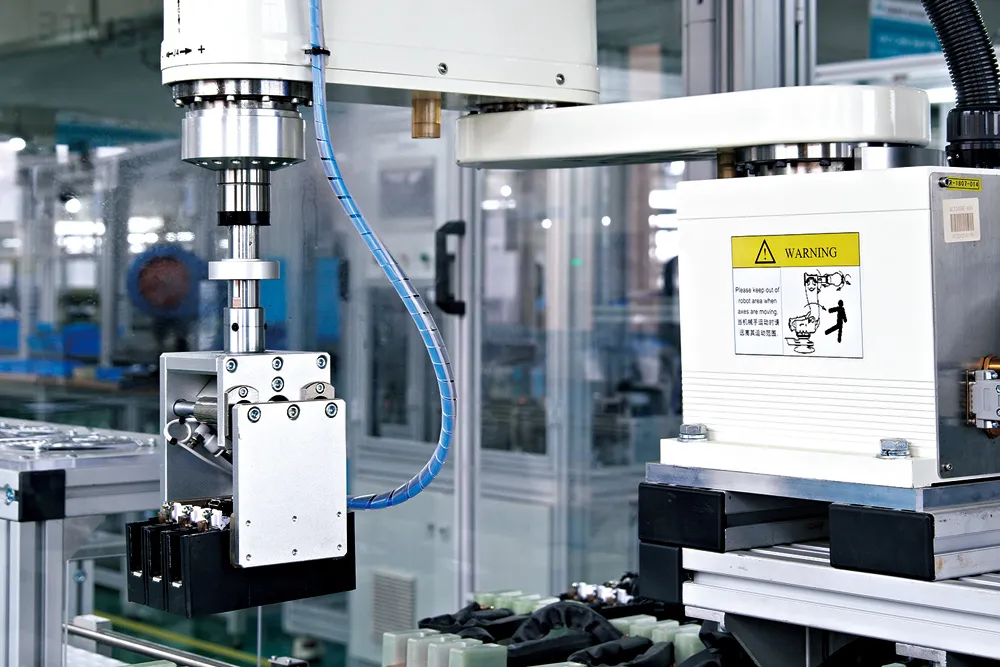
Application of Factories and Industrial Sites: Factories and Manufacturing Plants utilize such Transformers because they can effectively handle huge energy loads, while continuing to operate very efficiently (calculated at less than 90% loss in efficiency).
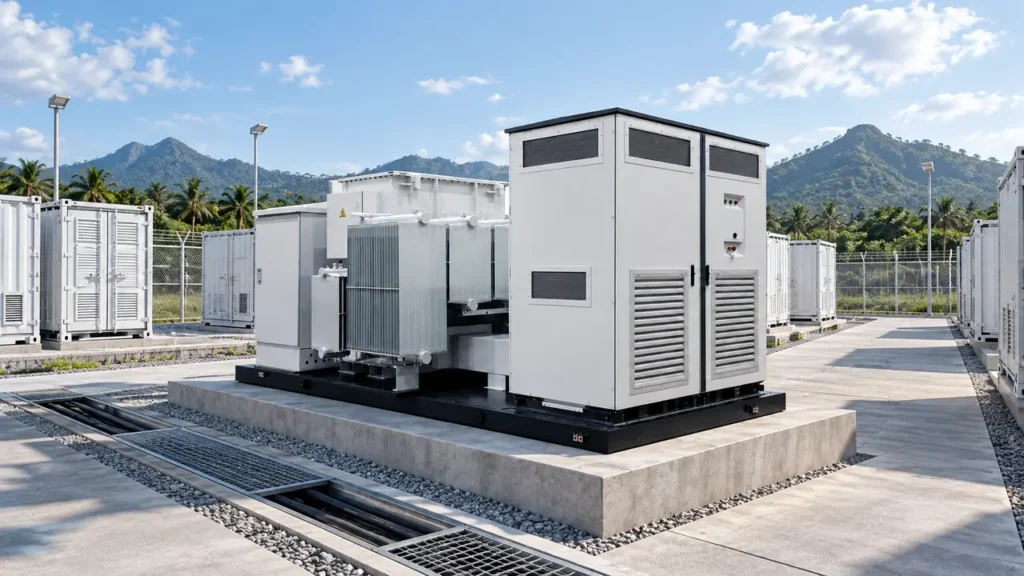
Compact power grid designs have the advantage of being able to be installed in urban areas with limited space.
Reduced noise levels and efficient energy transfer are beneficial to telecommunication/data centers. They provide continuity of reliable power supply required for critical operations.
FAQs About 3D Wound Core Power Transformers
Q: What is a 3D wound core power transformer?
A transformer with a three-dimensional core design that improves efficiency and decreases losses can be identified as a three-dimensional core (3D) type of transformer.
Q: What are the advantages and disadvantages of a 3D wound core power transformer?
Advantages of the new technology include increasing productivity, saving space, cutting down on noise levels, and improving thermal qualities. Disadvantages include the higher initial cost of the equipment and the requirement for specialized maintenance.
Q: What are the uses of a 3D wound core power transformer?
Renewable energy systems, commercial uses, and urban utilities and telecom/data centers.
To conclude our discussion on 3D wound core power transformers we can say they represent an evolution of transformer technologies by providing the best balance of efficiency, size and reliability available today. As such, if you have knowledge about how this type of equipment works, along with the advantages and disadvantages associated with it, these should give you significant insights for helping your company work towards sustainable/efficient energy sources.

 JUBANG