From transformers and switchgear to ring main units, substations, circuit breakers and smart components, Jubang provides integrated product support for power distribution projects.
Discover Jubang’s strengths in technology R&D, quality testing and smart manufacturing, supporting reliable electrical equipment and efficient power distribution solutions for global customers.
From technical consultation and OEM/ODM customization to EPC support, smart O&M, delivery documentation and after-sales service, Jubang supports your project at every stage.
Explore Jubang Group’s development history, intelligent manufacturing base, R&D platforms, CNAS-accredited laboratory and global project service capabilities.
How to Define a Box Substation Scope for an EPC Tender
Release Time: 2026-07-21
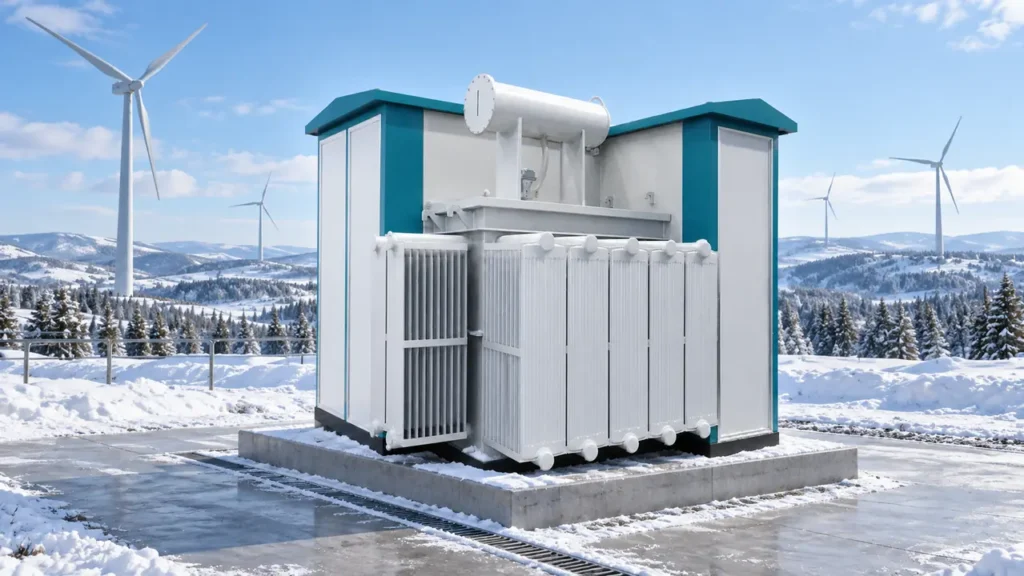
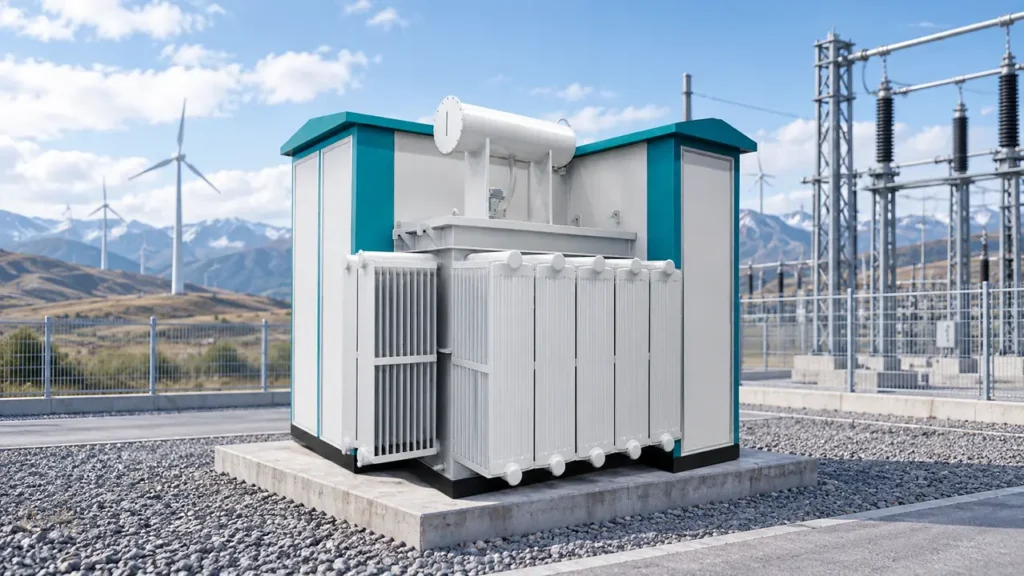
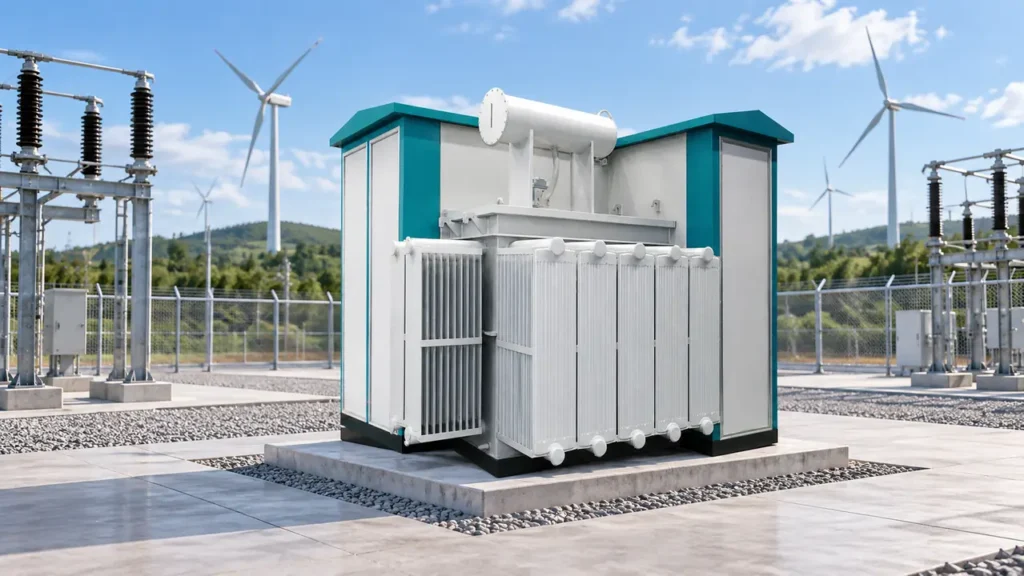
A box substation scope for an EPC tender is the written boundary around one factory-assembled enclosure — the MV switchgear, the distribution transformer, the LV switchboard, the enclosure itself — together with the documents, tests and site interfaces that belong to it. Everything outside that boundary, such as civil works, external cables, the earthing grid and energization, must be allocated by name to another party, or it will surface later as a claim.
This guide turns that principle into tender-ready material: a supply-boundary table, an interface allocation table, the enclosure characteristics to state rather than assume, and the data a supplier needs before a quotation means anything.
Part 1. What a box substation scope covers
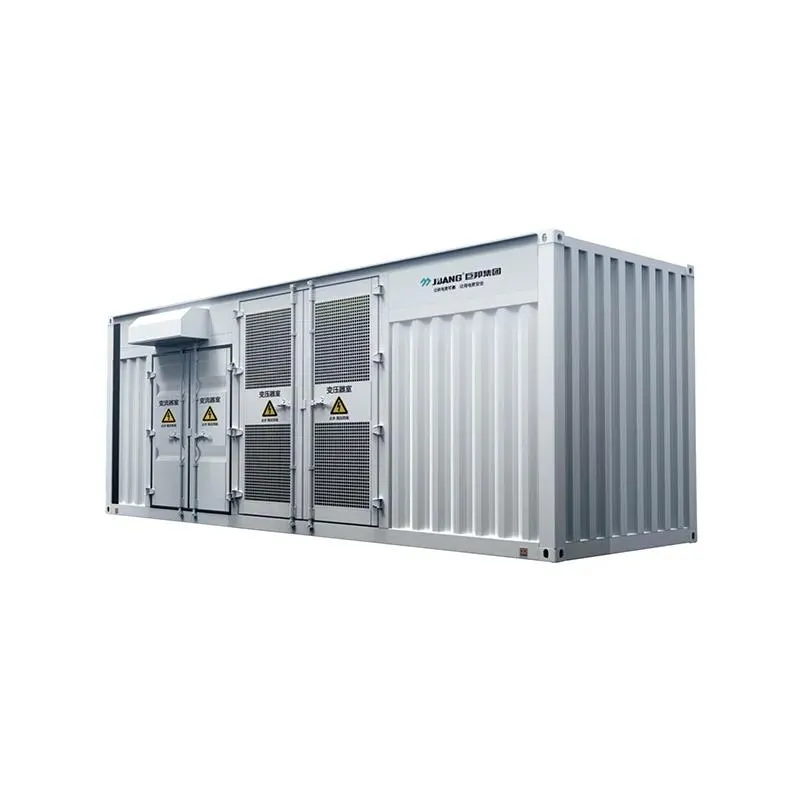
Buyers meet this product class under several names: box substation, package or packaged substation, kiosk substation, and — in IEC-market documents — Compact Secondary Substation (CSS). The names describe the same idea: a prefabricated enclosure that takes in a medium-voltage supply and hands out low-voltage circuits, assembled and tested in a factory rather than built as a room on site.
IEC 62271-202 covers enclosed AC prefabricated substations within its stated scope, including service conditions, rated characteristics, structural requirements and tests, and it recognizes both walk-in and externally operated types. Confirm the edition and its applicability with the project engineer; treat the standard as the frame for what a tender should ask, not as a substitute for project requirements.
Scope questions arise because the enclosure hides the boundary. When a tender line only says “supply box substation”, nobody has decided who terminates the incoming cables, who casts the foundation, or whose engineer signs the earthing design. For background on where these units sit in a network, see advantages of medium voltage substation.
Part 2. Equipment inside the supply boundary
Start the scope table with the equipment that lives inside the enclosure. A typical box substation integrates three functional sections plus auxiliaries, and each deserves its own tender line so exclusions become visible.
Scope line
What to specify in the tender
Common gap to close
MV section
Functions and number of ways (ring main unit, incomer, transformer protection), operating method
Whether the MV cable terminations and test adapters are supplied
Transformer
Duty, ratio, vector group requirements from the single-line diagram
Who confirms the transformer matches the LV fault and load data
Metering and communication devices often sit in a different contract
Enclosure and internals
Operating concept, internal separation, lighting, small power, labelling
Language of labels and drawings for the operating team
Auxiliaries
Protection or monitoring devices, anti-condensation measures, alarms
Signal list and voltage for remote alarms
Write each line against the project’s single-line diagram rather than a catalogue description. The JUBANG prefabricated substation category shows how one family spans utility distribution units and integrated cabins for renewable and storage projects; a tender still has to state which configuration it is buying. A primer on the equipment classes involved is in what is substation equipment.
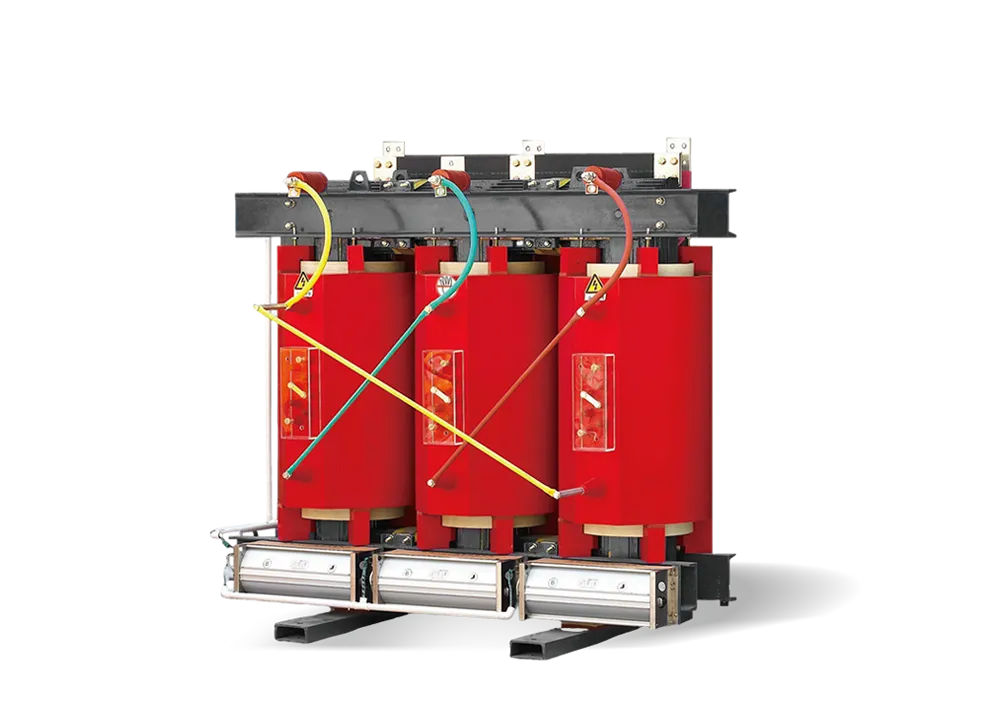
Inside the transformer line, point to a concrete product basis where one exists — for example a 6–10 kV oil-immersed power transformer — and require the supplier to confirm the offered unit against the project data, not against the page.
Part 3. Site interfaces the tender must allocate
Interfaces cause more tender disputes than equipment does. The ABB MV/LV substation guidance treats electrical, mechanical, construction and installation design as one coordinated task, which is exactly how a scope table should read: every physical interface has a named owner on each side.
Interface
Supplier side (typical)
Buyer/EPC side (typical)
Must be stated in tender
Foundation and base
Base frame, anchor pattern, entry openings drawing
Civil design, casting, levelling, drainage
Who approves the foundation drawing
Cables
Internal wiring, gland plates or entry provisions
External MV and LV cables, pulling, termination
Termination responsibility and witness rules
Earthing
Internal earthing bar and enclosure bonding
Site earthing grid design and connection
Which party proves the combined arrangement
Transport and offloading
Packing, lifting provisions, delivery basis
Site access, crane, storage before installation
Delivery point and risk transfer
Energization
Support during commissioning as quoted
Switching authority, permits, operating staff
Test-and-energize sequence ownership
Purchaser documents often add their own access, cable-connection and documentation requirements; the Ellevio prefabricated secondary-substation specification is a public example. Read such documents as evidence that owner requirements exist and vary — not as values to copy into an unrelated project.
Part 4. Ratings and classifications to state, not assume
A tender that stays silent on enclosure characteristics buys whatever the catalogue happens to contain. State the required characteristics and ask the supplier to confirm what the quoted assembly actually offers.
Characteristic
What the tender should say
Do not assume
Internal arc classification (IAC)
Whether IAC is required and the classification the project intends, on the IEC 62271-202 basis
That any box substation label includes internal-arc performance
IP degree of protection
The required degree for each relevant enclosure part under IEC 60529
One degree for every door, compartment and cable entry
Ventilation class
The required class and supporting documentation for the quoted assembly
That natural ventilation suits the transformer duty and climate
Partition class
The required class and the compartments it applies to
That a visible barrier equals a classified partition
Operating concept
Walk-in or externally operated, and the operating authority’s preference
That either concept fits every site or operator
Classifications on this list are configuration-dependent. The supplier confirms what the submitted assembly offers; the responsible project parties confirm that it satisfies installation, operating and approval requirements.
Part 5. Documents and tests in the scope table
Equipment without evidence cannot be accepted, so documents and tests deserve their own scope lines. The packaged-substations material presented through an IEEE section makes a distinction worth copying: the material scope of supply and the engineering-services scope are separate lists, and testing sits alongside them as its own commitment — see the ABB packaged substations presentation.
A workable document-and-test block asks for:
type test or design-verification evidence relevant to the quoted assembly;
routine test records for the delivered unit;
a factory acceptance test plan, with notice periods and witness rights;
installation, operation and maintenance manuals in the agreed language;
as-built drawings, wiring diagrams and the final single-line diagram; and
a data schedule the supplier fills in, so offers can be compared line by line.
Tip: Ask for the completed data schedule with the offer, not after award — the habit comes from utility purchaser specifications such as the Ellevio document, which pair requirements with schedules the bidder must complete.
Part 6. Finding scope gaps before award
Before award, walk the boundary once more with each discipline. Useful prompts:
Read every “by others” in the supplier’s offer and check that a named party has accepted each item.
Compare the offered data schedule against the tender’s characteristics table from Part 4.
Trace one incoming cable and one outgoing circuit end to end; every hand it passes through must appear in a scope line.
Confirm the delivery basis, offloading responsibility and storage conditions match the site plan.
Ask who returns to site if the first energization is delayed, and on what commercial basis.
Fit boundary: this article suits buyers writing or reviewing tender scope lines for box substations in distribution, industrial or renewable projects. It is not a construction drawing, a protection or earthing study, a local-code interpretation, or a source of universal ratings and clearances. Final scope decisions belong to the responsible project engineer and the owner’s requirements.
Treat both as product-family starting points, not selections: suitability still depends on the single-line diagram, required classifications, site conditions and current JUBANG documentation. A standalone ring main unit is deliberately not recommended here, because a switching cabinet answers a different tender line than a transformer-based box substation.
Send these inputs with the RFQ so the first quotation is already comparable:
Single-line diagram and system data: voltage, frequency basis, earthing arrangement, fault data as available.
Required MV configuration, transformer duty and LV outgoing arrangement.
Site and service conditions: location, climate notes, pollution or corrosion exposure, access constraints.
Required enclosure characteristics: IAC requirement, IP degree, ventilation and partition class where applicable, operating concept.
Submit the package through the online message form for a configuration review against the current product documentation.
FAQ
What is included in a box substation scope of supply?
Typically the enclosure with its MV section, distribution transformer, LV switchboard, internal wiring and auxiliaries, plus factory tests and documentation. Anything at the boundary — foundation, external cables, earthing grid, offloading, energization — must be allocated explicitly in the tender.
Is a box substation the same as a compact secondary substation?
The terms overlap. Compact Secondary Substation (CSS) is the wording common in IEC-market documents, while box, package and kiosk substation are trade names for the same factory-assembled MV/transformer/LV concept. Always verify the actual configuration rather than relying on the label.
Who supplies the foundation and cable works for a box substation?
There is no default. The supplier normally provides the base frame, entry openings and interface drawings; civil works and external cables usually sit with the EPC or a site contractor. The tender must name the owner of each side of that interface.
Can a supplier quote a box substation without a single-line diagram?
Only as a rough budget indication. A quotation that can be compared and contracted needs the single-line diagram, system data and the required characteristics; without them, the offer will be built on catalogue assumptions the project has not accepted.
Which characteristics should an EPC tender state for the enclosure?
State whether internal arc classification is required and the intended classification, the IP degree for each relevant enclosure part, ventilation and partition class where applicable, and the operating concept. Ask the supplier to confirm each one for the quoted assembly.
What documents should a box substation tender require?
Type-test or design-verification evidence, routine test records, a factory acceptance test plan with witness rights, manuals in the agreed language, as-built drawings and a completed data schedule submitted with the offer.
What should an EPC send with a box substation RFQ?
The single-line diagram and system data, required MV/transformer/LV configuration, site and service conditions, required classifications, interface allocation, the document-and-test list, and commercial data such as quantity, delivery location and Incoterms basis.
Products are exported to more than 100 countries and regions such as Africa, the Middle East, and the United Kingdom and Europe. It is a leading manufacturer of power distribution equipment in China.

 JUBANG