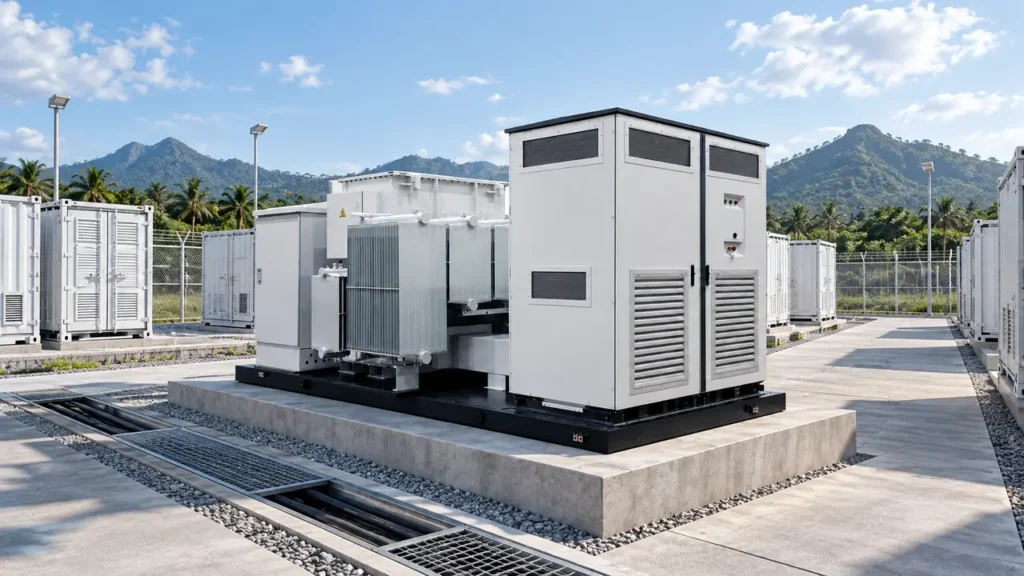
The emergence of the modern energy landscape is rapidly changing the way medium voltage substations function. While they have traditionally been utilized as a transition point between high voltage transmission networks and lower voltage distribution systems to deliver a consistent source of electrical power to industrial areas, cities, and rural residences, their role is becoming even more important as demand increases for continued improvements in efficiency, reliability, and scalability in power systems throughout the world. Medium voltage substations provide many advantages to the power system within their respective countries and regions, but in order to gain a better understanding of medium voltage substations, this article will explain the use, benefits, applications, and their practical importance.
What is a Medium Voltage Substation?
The electrical power network has as one of it key utility components a Medium Voltage Substation. Medium Voltage Substations will provide a step down of very “high voltage” electrical energy (transmitted over distance) to a usable form of electrical energy referred to as “medium voltage” and is distributed via localized distribution networks to end users, e.g., industrial, commercial, and residential customers.
Generally speaking, the medium voltage range is 1KV – 35 KV, which reflects the extent to which the medium voltage range will provide the best economic option as well as providing a degree of electrical “safety” in localized distribution systems.
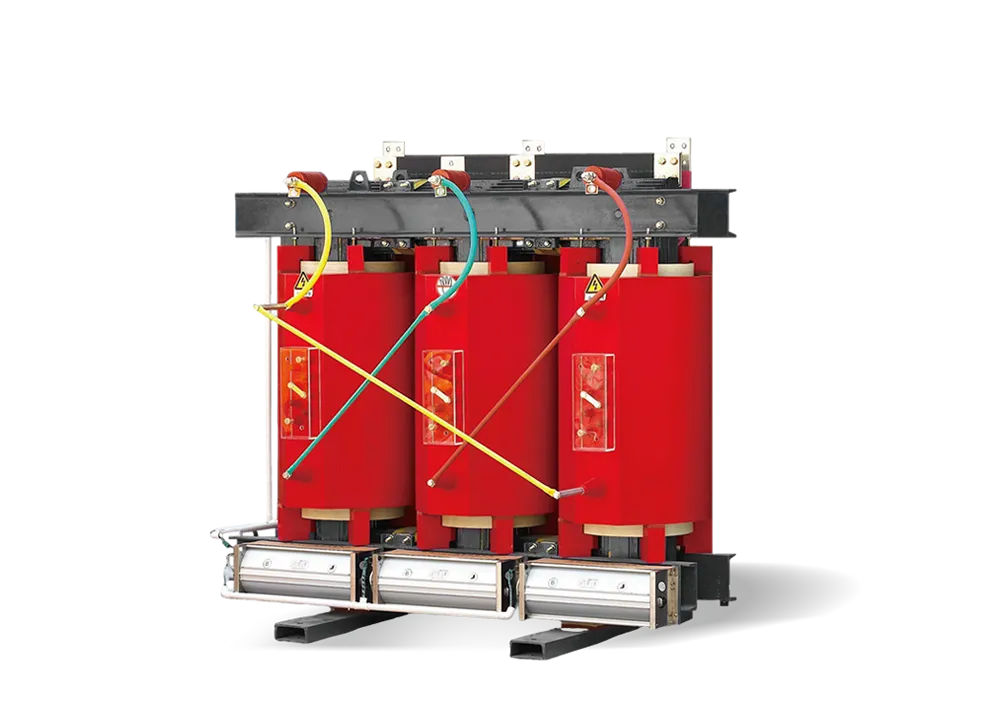
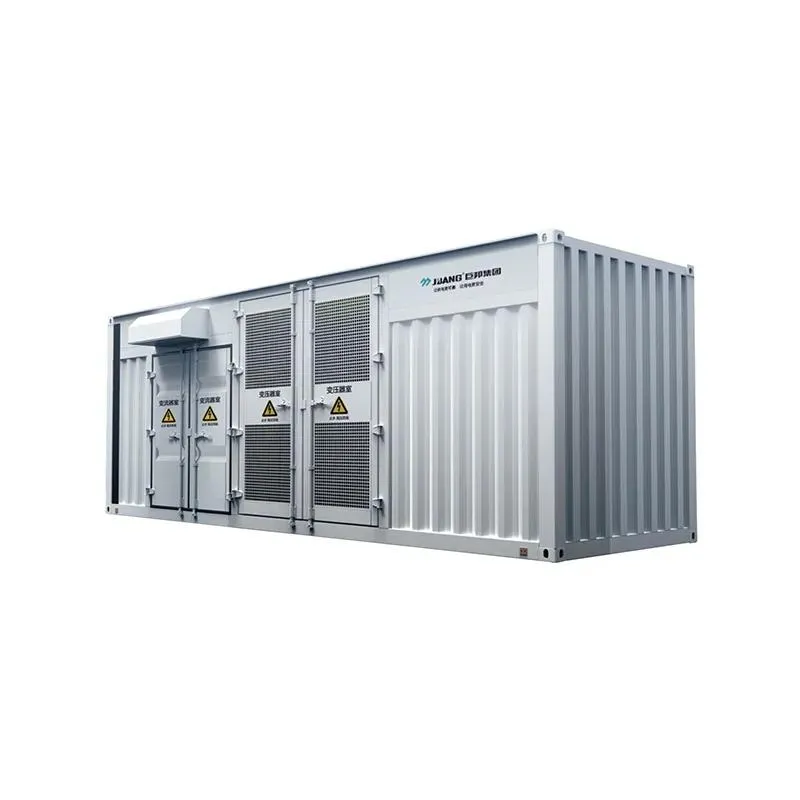
Medium Voltage substations are made to provide an electric system that functions continuously and protects both the electrical infrastructure and the customer. They contain components like transformers, switchgear, circuit breakers and protective, control & monitoring devices that work together to ensure supply of electrical energy without interruption.
Applications of Medium Voltage Substations
Medium voltage substations serve as a versatile resource, supplying power to a variety of different sectors and industries. Some of the most significant applications of medium voltage substations are detailed below.
Industrial Applications: Medium Voltage Substations Provide Stable, Consistent Power for Industries with High Energy Demand (Manufacturing, Mining, Oil & Gas, Steel) to Continue Operations.
Power Distribution in Urban Areas: Urban Areas with High Population Density Need Reliable Power Infrastructure. Medium Voltage Substations are Often Found in Urban Areas for the Efficient Delivery of Power to Homes and Businesses in These Areas.
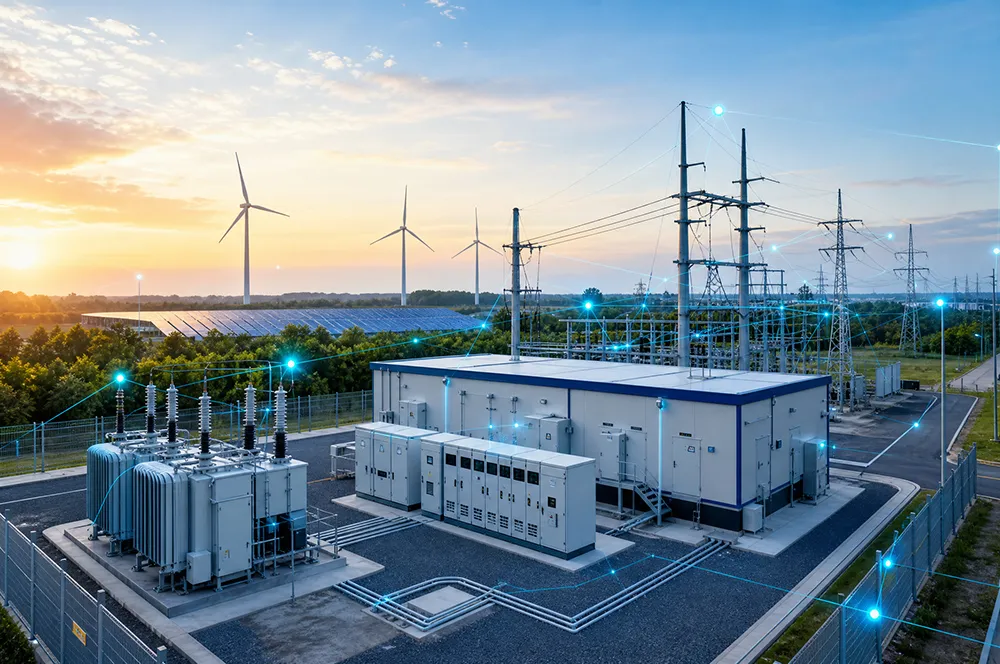
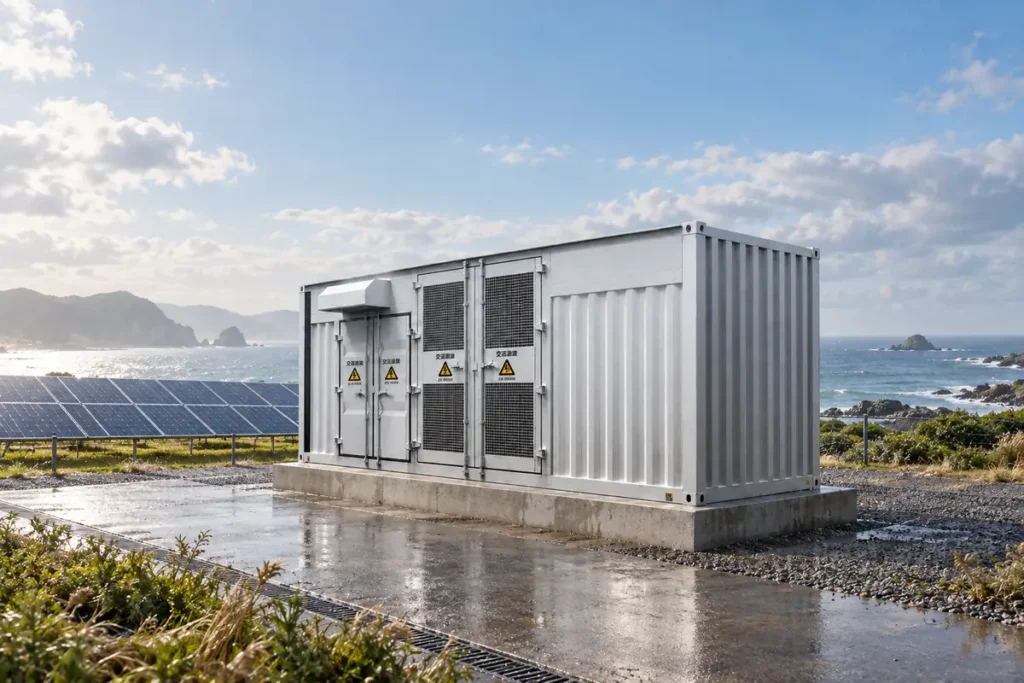
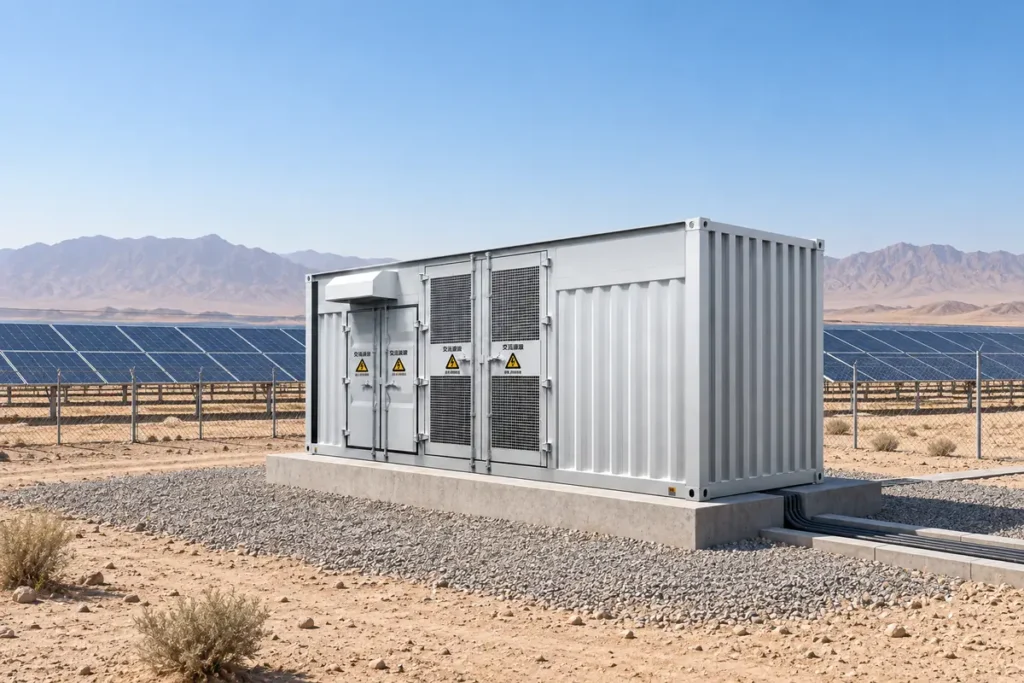
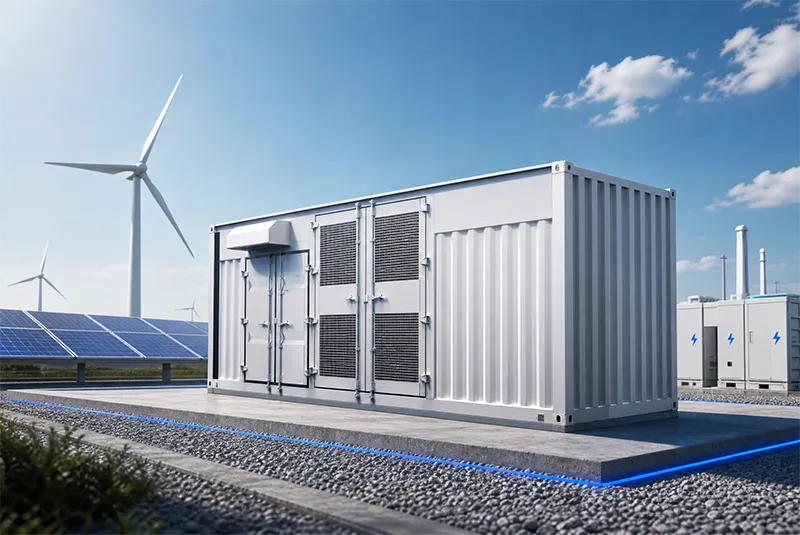
The integration of renewable energy sources is achieved through the use of medium voltage substations. As the use of renewable energies increases, the integration of large amounts of renewable energy into the grid will require the use of medium voltage substations. These substations allow for the connection of large amounts of solar farms, wind farms, and other renewable sources to the grid by adjusting voltages up or down as needed.
Medium voltage substations are used by critical facilities and each substition has its own dedicated power supply and backup system. Disruptions from any of these substations could result in serious consequences; therefore, many critical facilities are equipped with their own substations.
Medium voltage substations are used in areas where there is limited access to a centralized grid to distribute electricity locally from sources such as generators, microgrids and renewable energy systems.
What Are the Advantages of Medium Voltage Substations?
For companies and utility providers deciding on infrastructure, understanding the many benefits of medium-voltage substations is important. Below are key advantages that make them valuable.
1. Improved energy efficiency. When high voltage is reduced prior to reaching areas of consumption through medium voltage substations, then transmission losses are also decreased and more of the electrical energy becomes available at the desired locations. This provides significant benefits in minimizing energy inefficiencies in large urban or industrial networks.
2. Improved Reliability of the System: Medium voltage substations contain ruggedized equipment, sophisticated monitoring devices, and automatic response techniques to aid in the maintenance of high reliability. These substations provide the ability to isolate faults and quickly return to service (reduce outage time) and thus provide a continuous flow of electrical energy.
3. Space Concerns: Urban areas tend to have limited space and are thus very practical for using a compact design on medium voltage substations. Even though the footprint of a medium voltage substation is smaller than many larger substations, it must contain all of the components necessary to properly supply and manage the distribution of power.
4. Enhanced Safety: The increased use of proper insulation systems, improved protection devices, and safe operating modes of medium voltage substations will greatly reduce the risk associated with operating within these types of facilities, making them a safer alternative for providing localized energy as opposed to high voltage systems.
5. Modularity and Adaptability: Medium voltage substations typically have a modular design; therefore, they can be designed specifically for your site and also easily expanded to meet the future growth in demand for electricity. Whether the customer needs more capacity or a city expands, new substations can always be added and existing substations can typically be modified or reconfigured to meet changing requirements.
6. Cost-Effectiveness: A medium-voltage substation will help decrease operational costs by reducing energy loss during transmission, which means that less power is used to transmit and distribute energy, and therefore there is a lower amount of infrastructure needed for power distribution; plus the long life cycle and reliable operation of substations provide for lower maintenance cost over time.
7. Sustainable Development: Medium voltage substations make it easier to incorporate renewable energy sources into the grid which supports the worldwide move to greener, more sustainable energy solutions. They simplify the incorporation of solar and wind energy into the grid without disrupting the current system.
Frequently Asked Questions
What are the uses of a medium voltage substation?
Medium voltage substations support distribution of power, allowing for the integration of renewable energy, support for industrial facilities and operations, and are a backbone for critical facilities such as hospitals and data centers.
What are the advantages of medium voltage substations?
They offer greater efficiency, higher reliability, space-saving compact designs, personnel safety, exceptional scalability, savings in costs, and assistance with sustainable energy integration.
Why are medium voltage substations important?
Medium voltage (MV) substations play an integral role in any modern electrical distribution system as they increase energy efficiency, guarantee reliability of electricity supply, and support expected future growth in power consumption in both urban and industrial areas.
To sum up, the role of medium voltage substations in current power distribution systems is essential. Medium voltage substations provide energy efficiencies, reliability, safety, scalability, and enable integration of renewable energies – therefore they are an essential element of any urban main development, industrial facility or utility provider. Through knowledge of benefits and applications of medium voltage substations, stakeholders will have the ability to make educated decisions – contributing to a more sustainable and resilient future for all energy systems.

 JUBANG