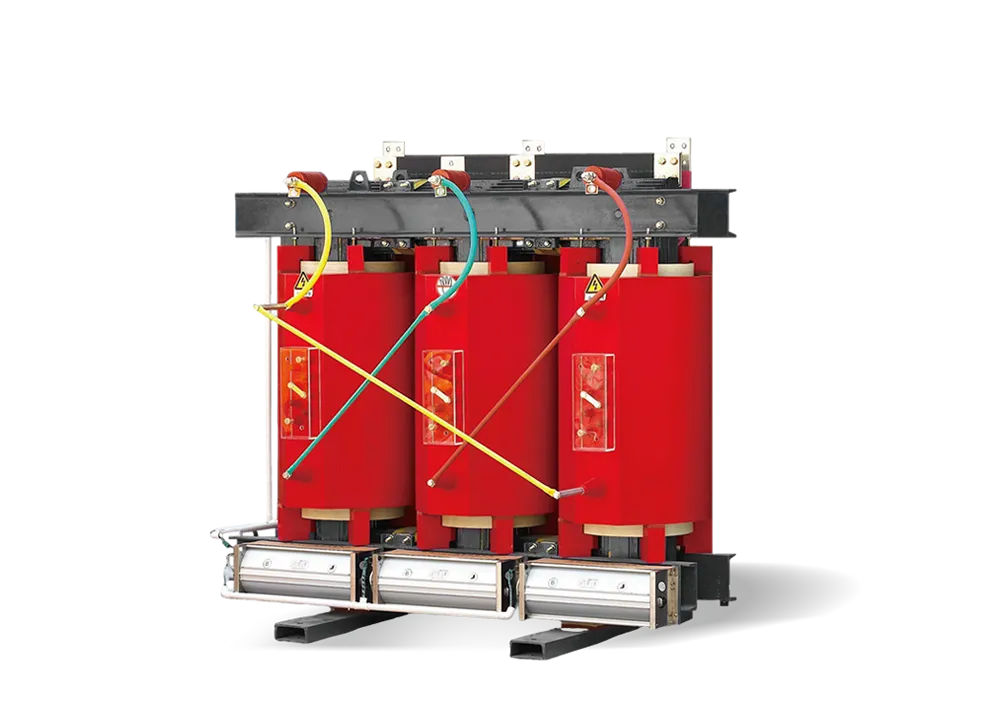
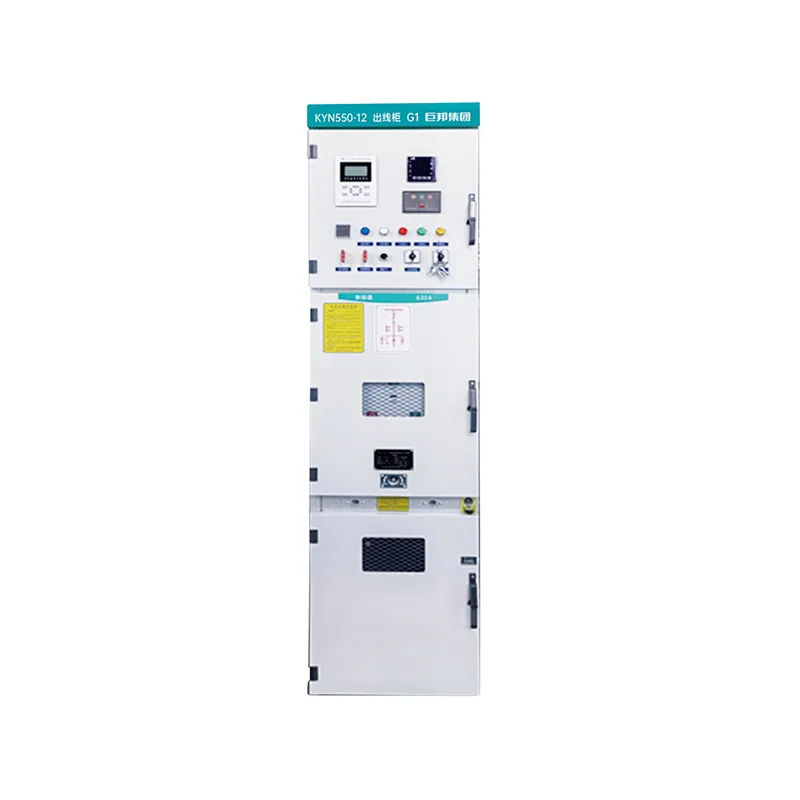
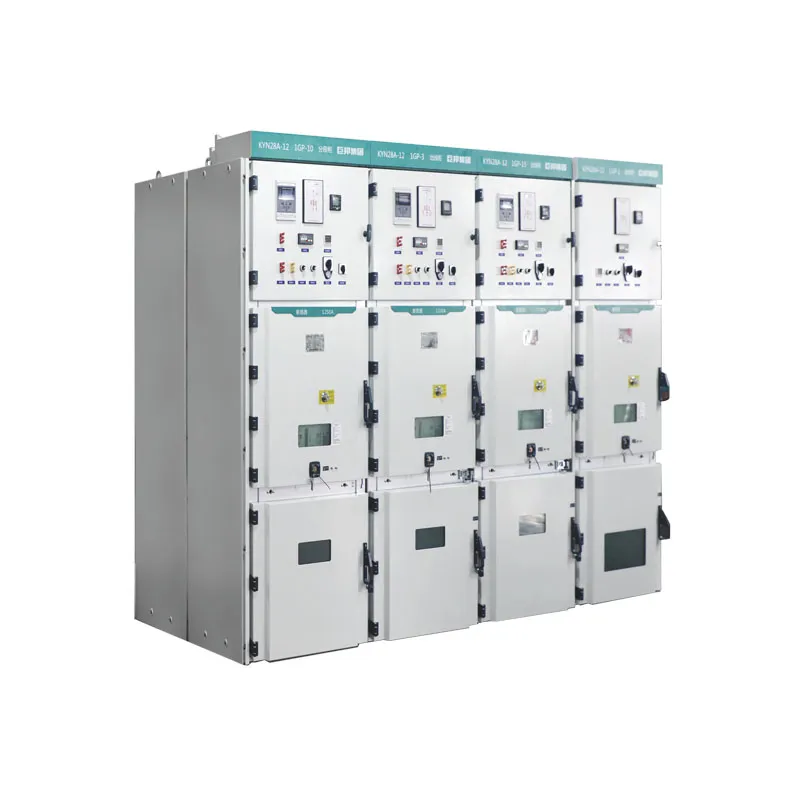
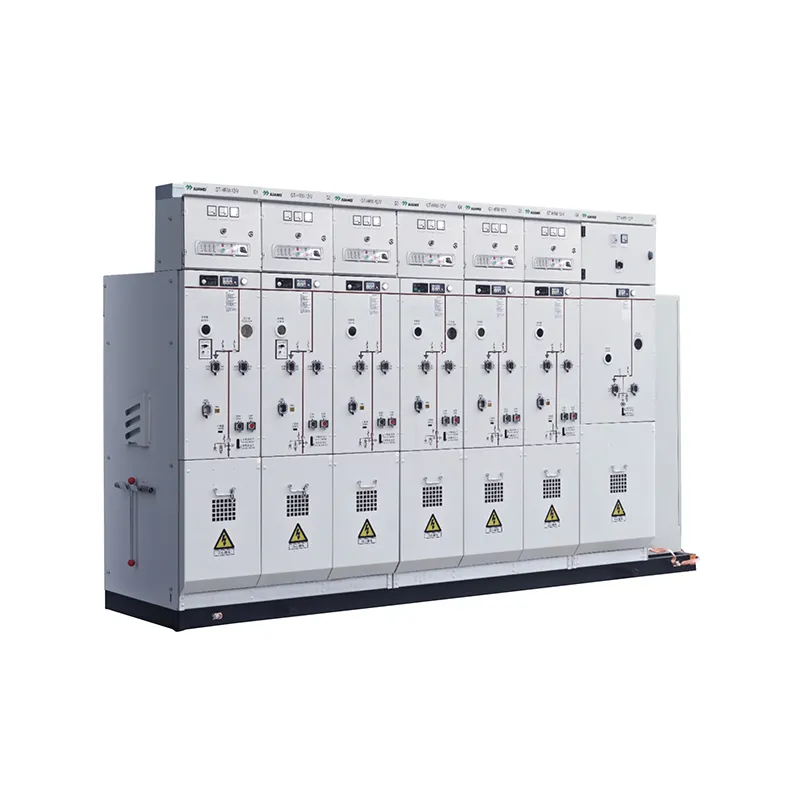
From transformers and switchgear to ring main units, substations, circuit breakers and smart components, Jubang provides integrated product support for power distribution projects.
Discover Jubang’s strengths in technology R&D, quality testing and smart manufacturing, supporting reliable electrical equipment and efficient power distribution solutions for global customers.
From technical consultation and OEM/ODM customization to EPC support, smart O&M, delivery documentation and after-sales service, Jubang supports your project at every stage.
Explore Jubang Group’s development history, intelligent manufacturing base, R&D platforms, CNAS-accredited laboratory and global project service capabilities.
RMU Interlock Evidence Pack: What to Review Before Factory Witnessing
Release Time: 2026-08-17
Before an RMU factory witness, the EPC should align the interlock matrix, controlled schematics, applicable procedure, equipment identity, witness points, responsible signatories, and deviation route in one evidence index. This is a document-readiness guide, not an operating instruction or test result.
Part 1. Define the interlock evidence boundary
An RMU interlock can involve a key, mechanical movement, electrical permissive, access boundary, or a project-specific sequence. Start by naming the equipment scope and the evidence expected for the witness. A product photograph or generic switchgear description does not prove an interlock design.
Important: The witness package should identify the controlled configuration and the approved procedure before anyone interprets a record as evidence of acceptance. (IEC 62271-202)
Part 2. Align identity and revision records
Every record should connect to the RMU panel, functional unit, drawing revision, and applicable project package. Keep the equipment identity and document revision visible in the index.
Identity field
Record to align
Do not claim
Panel identity
Asset, panel or functional-unit tag
Final configuration approval
Scope boundary
One-line and package matrix
Complete project design
Drawing revision
Schematic, wiring and GA references
As-built acceptance
Procedure revision
FAT or inspection procedure
A passing result
Part 3. Map the matrix, schematic and procedure
The interlock matrix should point to the schematic or drawing evidence and the procedure step where the witness occurs. This mapping keeps the review factual and exposes missing links before the witness date.
Part 4. Assign witness and approval responsibility
List who prepares the matrix, who controls drawings, who witnesses the procedure, who reviews technical evidence, and who accepts a deviation. A signature on an attendance sheet should not silently transfer those responsibilities.
The responsibility matrix should identify:
the supplier contact for drawings and procedure;
the EPC or owner witness;
the document controller for the evidence index;
the technical reviewer for open questions; and
the authority allowed to accept a deviation.
Part 5. Record deviations and configuration changes
Give every discrepancy a unique reference and record the affected panel, document, factual observation, owner, due date, and disposition route. Keep an open action separate from a revised drawing or a closed record.
Send one controlled revision register with the quotation or FAT request. Ask the supplier to identify missing inputs and deviations instead of silently applying defaults.
RFQ input
Buyer should provide
Why it is needed
Scope basis
One-line diagram, panel list and scope matrix
Defines the witness boundary
Identity records
Panel tags and functional-unit references
Links records to equipment
Design evidence
Matrix, schematic, wiring and GA revisions
Makes the logic traceable
Procedure basis
FAT/inspection procedure and ITP
Defines witness points
Quality control
Signatories, calibration and document rules
Supports reviewable evidence
Action control
Deviation log and approval path
Prevents silent closure
Part 7. Use the controlled pack for a product enquiry
The product-family page does not prove an interlock design, operation, certification, compliance, or project acceptance. Use JUBANG Contact Us to submit the controlled scope for project-specific review.
FAQs
What documents show switchgear interlocks?
Use the controlled interlock matrix, schematic or wiring reference, applicable procedure, equipment identity, witness record and revision index.
How are RMU interlocks tested?
The approved project procedure defines the checks. This article explains how to organize its evidence and does not publish test values or results.
Who approves an interlock change?
The project responsibility and change-control plan should name the technical reviewer and the authority allowed to accept the change.
What should be checked before a FAT witness?
Check the equipment identity, current drawings, matrix, procedure, witness points, signatories, calibration records and deviation route.
Can a schematic revision prove an interlock works?
No. A revision establishes document context; operation evidence requires the approved project procedure and witnessed record.
What should an EPC send with an RMU interlock evidence RFQ?
Send the scope basis, panel identities, matrix, drawings, procedure, ITP, quality-record requirements and action-control template.
Products are exported to more than 100 countries and regions such as Africa, the Middle East, and the United Kingdom and Europe. It is a leading manufacturer of power distribution equipment in China.

 JUBANG