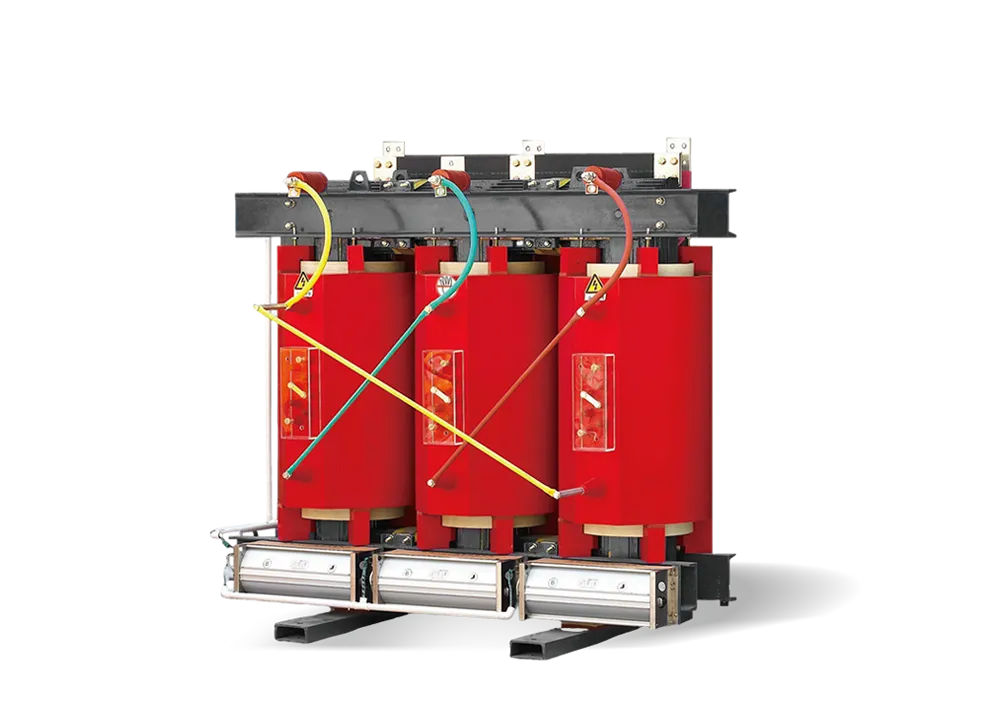
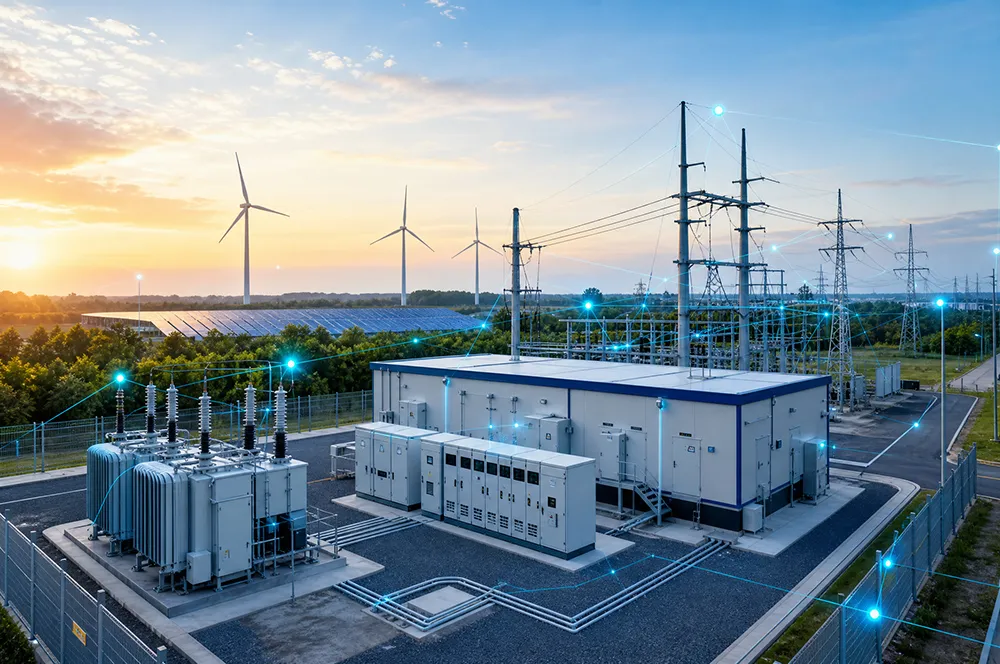
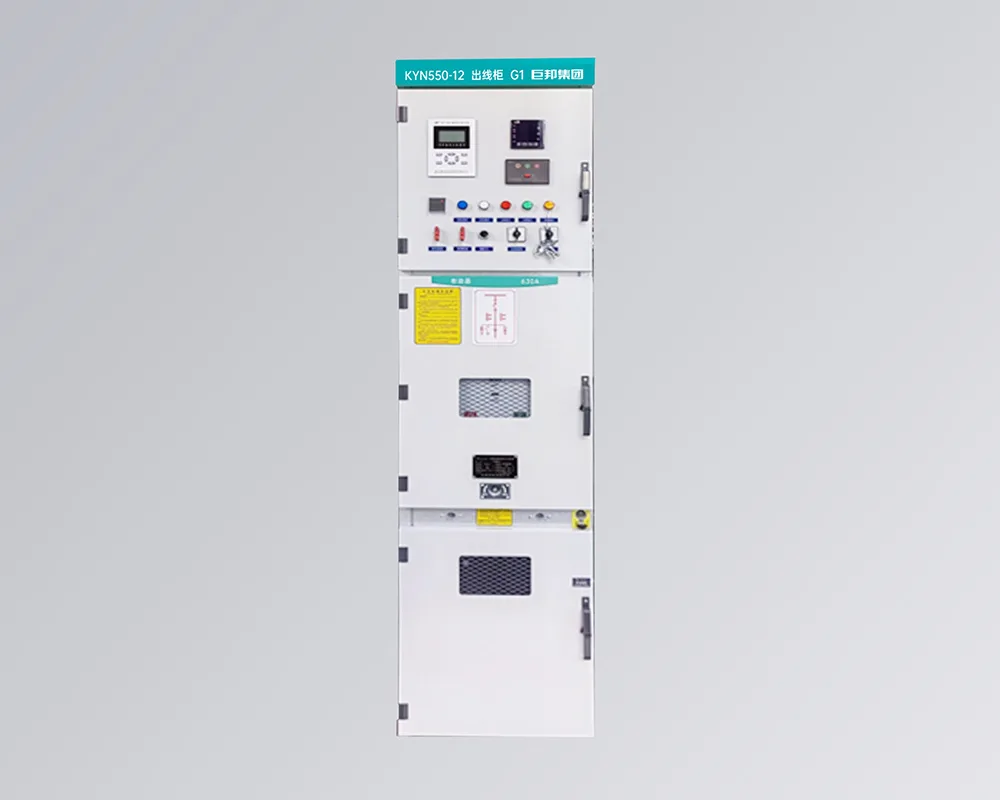
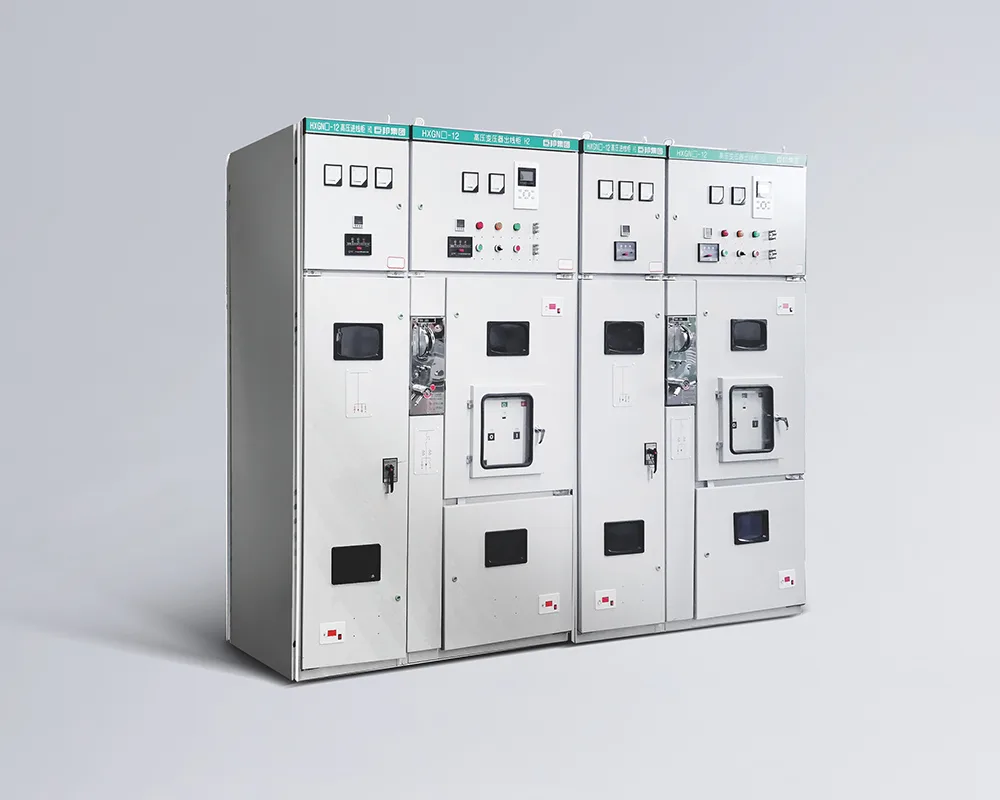
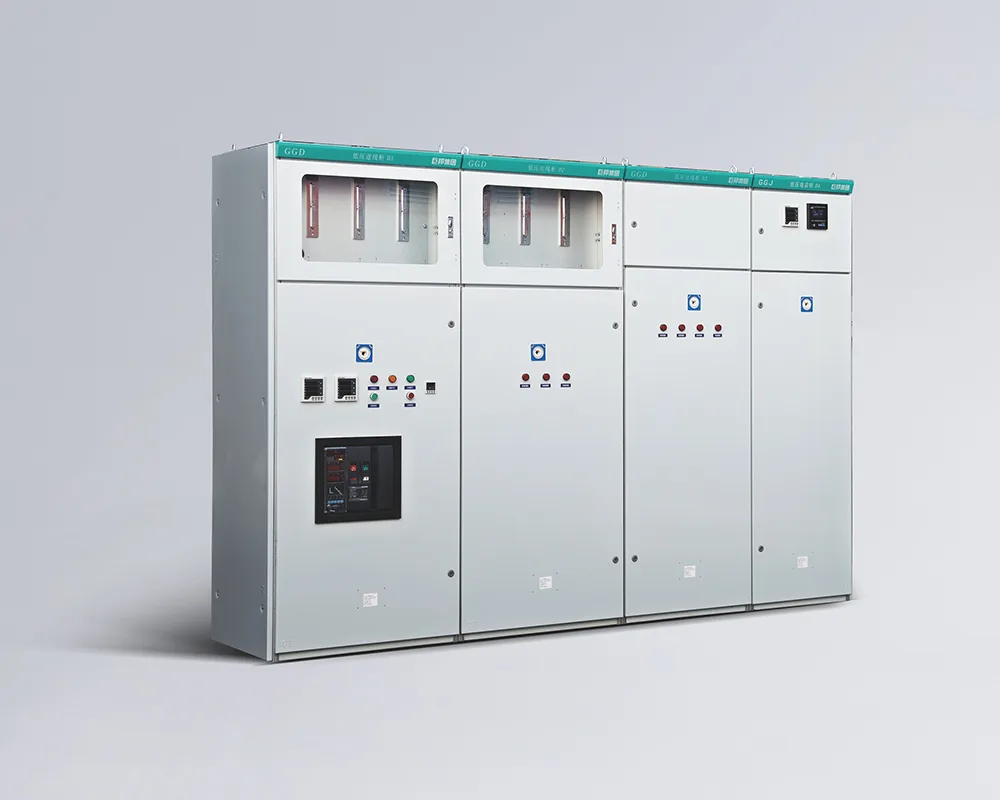
From transformers and switchgear to ring main units, substations, circuit breakers and smart components, Jubang provides integrated product support for power distribution projects.
Discover Jubang’s strengths in technology R&D, quality testing and smart manufacturing, supporting reliable electrical equipment and efficient power distribution solutions for global customers.
From technical consultation and OEM/ODM customization to EPC support, smart O&M, delivery documentation and after-sales service, Jubang supports your project at every stage.
Explore Jubang Group’s development history, intelligent manufacturing base, R&D platforms, CNAS-accredited laboratory and global project service capabilities.
A renewable booster substation cable-gland schedule should link every cable reference to an entry point, equipment boundary, drawing revision, source document, open action, and responsible owner before enclosure fabrication. It creates a controlled review record; it does not select a gland, confirm a size, state an ingress rating, or approve installation.
Part 1. Set the schedule boundary before fabrication
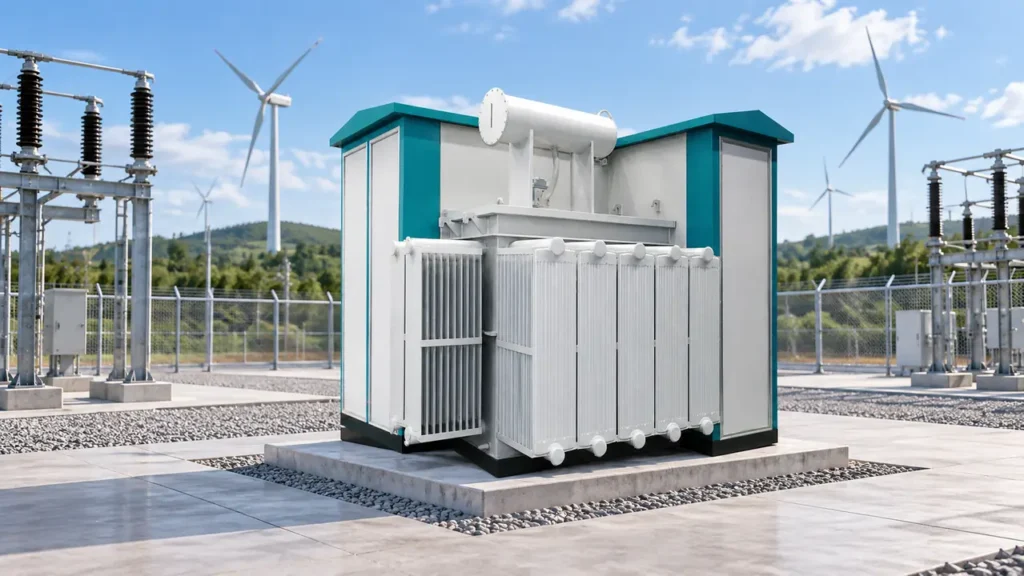
Start with the enclosure and equipment boundary. A renewable booster substation can contain transformer, MV, auxiliary, control and external package interfaces, so the schedule should state what is in scope and which controlled document establishes it. A product image or generic enclosure description is not a cable-entry decision.
Important: A cable-gland schedule must make its source drawings and unresolved interfaces visible before fabrication. It is not a substitute for the approved project design. (IEC 62271-202)
Part 2. Make cable and drawing references traceable
Each row should point to a named cable or circuit reference and the applicable drawing revision. This lets the EPC identify whether a late change affects the enclosure entry, another package, or the document index.
Schedule field
Record to request
Do not claim
Cable reference
Approved cable or circuit tag
A final cable selection
Drawing reference
Drawing number, revision and owner
Approved fabrication detail
Equipment boundary
Package or enclosure scope
A complete installation design
Source document
Controlled project record
A universal default
Part 3. Record entry points and package interfaces
Record the intended entry point reference, the enclosure side or compartment, and the package owner. The field should reference a controlled drawing rather than a verbal direction. When an interface remains open, leave it as an action instead of inventing a location.
The schedule needs a document controller, a design authority for the entry reference, and named owners for package interfaces. Record who proposes a change, who reviews it, and who issues the next controlled revision. Do not treat an email comment as a replacement for a revised project record.
Ask the project team to name:
the schedule owner and current revision;
the cable and routing drawing owner;
the enclosure or package interface owner;
the party authorized to resolve open actions; and
the document recipient for the released schedule.
Part 5. Keep open actions visible
Use a unique action reference for missing cable data, unconfirmed entry points, scope conflicts, or pending drawing changes. Show the factual gap, responsible party, required input, and required revision. A schedule with blank cells should not be interpreted as a confirmed design.
Open-action field
Minimum record
Action reference
Unique project number
Affected row
Cable or entry reference
Missing evidence
Drawing, scope or interface record
Owner
Named responsible party
Closure route
Controlled revision or approval record
Part 6. Build the cable-gland schedule RFQ pack
Send the schedule with one controlled revision register. Ask suppliers to identify information gaps and deviations rather than apply undocumented assumptions.
Part 7. Use the controlled record for a product enquiry
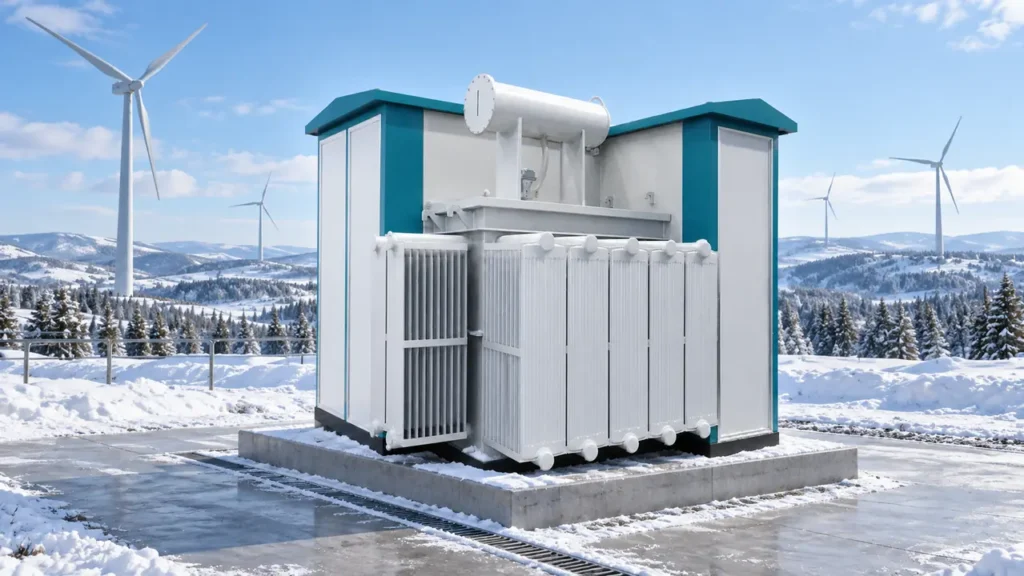
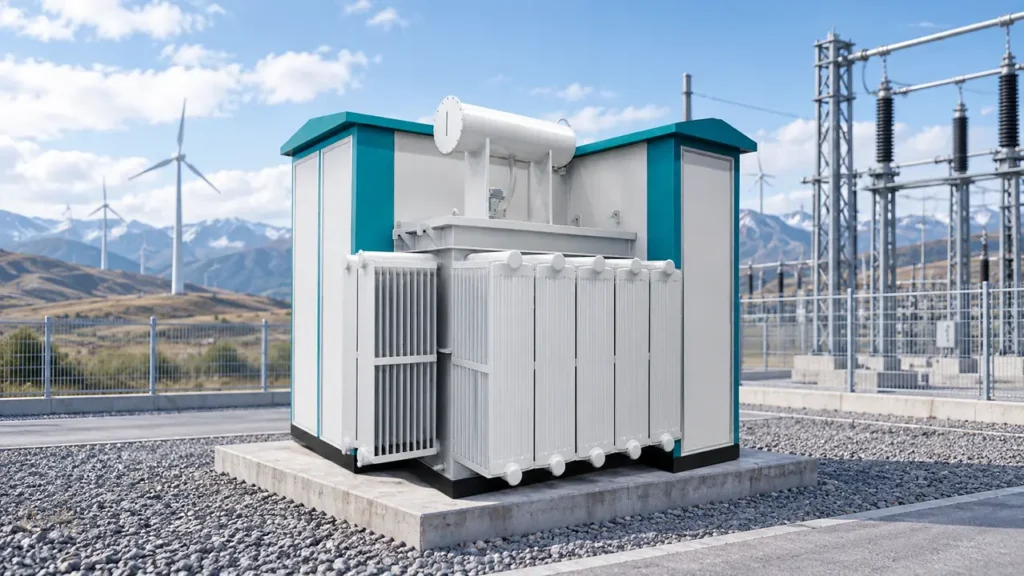
After the cable-gland schedule, interface matrix, and open actions are controlled, the EPC can discuss the equipment scope with the JUBANG prefabricated substation range.
The product-family page does not prove a gland type, cable compatibility, sealing performance, enclosure classification, or project acceptance. Submit the controlled records through JUBANG Contact Us so the project team can request a scope review.
FAQs
What information belongs in a cable-gland schedule?
Record the cable or circuit reference, entry-point drawing reference, equipment boundary, document revision, open action, and responsible owner.
Who prepares a cable-gland schedule?
The EPC should name a document owner and collect controlled inputs from the design authority and relevant equipment-package owners.
Can a cable schedule confirm a gland size?
No. The schedule is a controlled input record; a project-approved design must determine any selection or size.
What changes require a schedule revision?
Revise the controlled schedule when a cable reference, entry point, enclosure boundary, drawing, package interface, or open-action decision changes.
Does a cable-gland schedule select an ingress rating?
No. It records the project source for the relevant requirement and does not make a classification conclusion.
What should an EPC send with a cable-gland schedule RFQ?
Send the scope basis, cable identities, entry drawings, package matrix, action register, revision index, and required response format.
Products are exported to more than 100 countries and regions such as Africa, the Middle East, and the United Kingdom and Europe. It is a leading manufacturer of power distribution equipment in China.

 JUBANG