From transformers and switchgear to ring main units, substations, circuit breakers and smart components, Jubang provides integrated product support for power distribution projects.
Discover Jubang’s strengths in technology R&D, quality testing and smart manufacturing, supporting reliable electrical equipment and efficient power distribution solutions for global customers.
From technical consultation and OEM/ODM customization to EPC support, smart O&M, delivery documentation and after-sales service, Jubang supports your project at every stage.
Explore Jubang Group’s development history, intelligent manufacturing base, R&D platforms, CNAS-accredited laboratory and global project service capabilities.
How to Review Transformer Vector Groups Before Protection Design
Release Time: 2026-08-10
Transformer vector group selection should begin as a system-interface review, not as a product-label preference. The declared group needs to be read with the approved one-line diagram, earthing approach, parallel-operation plan, and protection-engineer handoff before an EPC team asks suppliers to finalize a configuration.
Important: A vector group does not by itself establish an acceptable neutral arrangement, relay setting, fault-duty result, or grid outcome. Those decisions need approved system data and responsible protection engineering. Source: IEC 60076-1 standard context and the project-specific boundary described here.
Part 1. What does vector-group review decide?
The review establishes what the project needs the transformer connection and phase relationship to communicate to the rest of the electrical design. It creates a controlled handoff between the system designer, protection engineer, EPC team, and equipment supplier before a quotation is compared or an order is released.
IEC 60076-1 provides the broader transformer standards context. It does not replace the approved one-line diagram or specify a correct arrangement for every network.
Part 2. Why is the notation system-interface data?
Vector-group notation is useful because it records a declared winding connection and phase-displacement relationship. In procurement, that information belongs with the source and load arrangement, interface drawings, and documents controlled by the project team.
Do not reduce the notation to a catalog filter. A proposed group can affect what other parties need to review, even where the transformer product family itself appears similar.
Part 3. Where do earthing and neutral decisions enter?
Earthing and neutral treatment need to be identified in the approved system concept and handed to the protection engineer. The RFQ should show which party owns the data, which interfaces are fixed, and which items remain subject to project approval.
This is a boundary, not a generic recommendation for a particular network. A product image or broad article cannot prove that an earthing arrangement meets the protection philosophy for an actual site.
Part 4. Why must parallel operation be checked early?
Parallel-operation plans should be reviewed before the equipment scope is frozen. The related parallel-operation and fault-duty inputs explain why the project team must keep connection and system data visible when evaluating that arrangement.
Where more than one transformer is involved, document the relevant approved interfaces rather than assuming that similar ratings settle the question. The final technical decision belongs to the responsible engineering review.
Part 5. What should the protection handoff contain?
The protection engineer needs a clear project package, not a loose catalogue note. Provide the approved one-line diagram, declared transformer connection information, earthing concept, source/load interfaces, relay responsibility map, and required documents.
Use the related transformer protection-relay inputs to organize the coordination questions. It identifies inputs to resolve; it does not supply relay settings for another project.
Part 6. What belongs in a vector-group RFQ?
Make each bidder work from the same controlled interface package.
Buyer should provide or request
Why it matters to protection and procurement
Approved one-line diagram
Establishes the project electrical arrangement
Declared vector-group requirement or review point
Makes the connection interface visible to each bidder
Earthing and neutral responsibility
Prevents an unowned system-design decision
Parallel-operation intent
Flags a condition requiring engineering review
Protection and relay responsibility map
Separates equipment data from settings ownership
Required drawings, tests, and submittals
Defines the documents to be reviewed before release
Part 7. Which JUBANG route fits the enquiry?
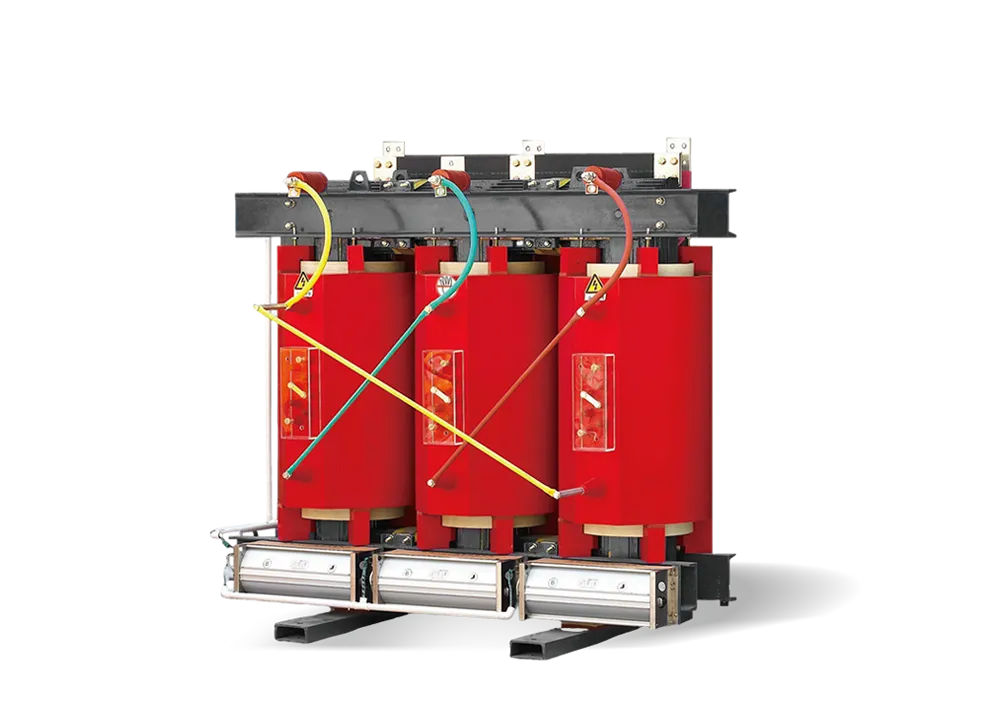
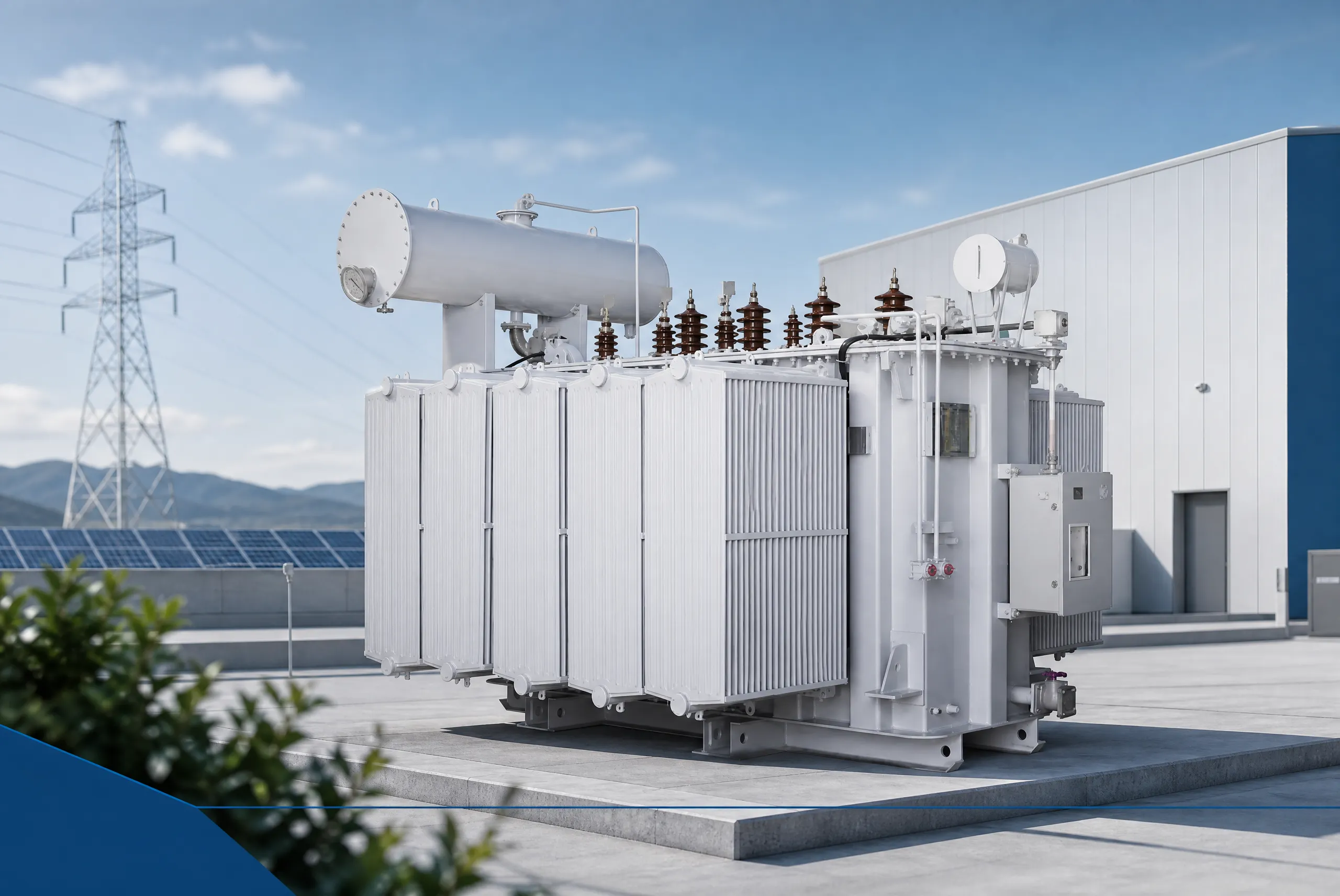
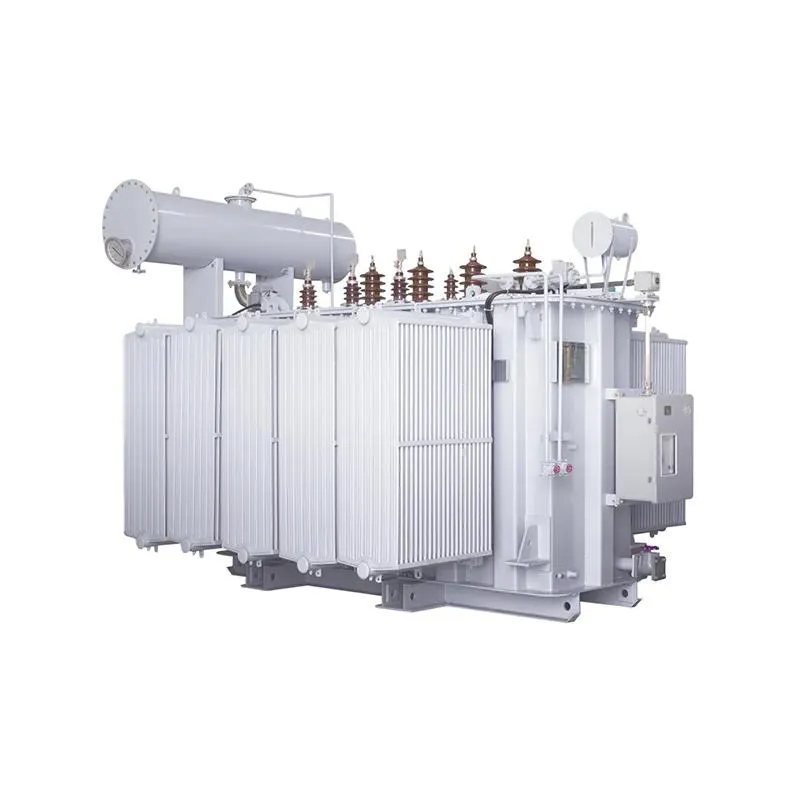
JUBANG’s power transformer range is a starting point for a project-specific equipment conversation. For a dry-type application, review the public dry-type transformer product route together with the approved project package, not as evidence of a preselected vector group or protection outcome.
Send the one-line diagram, declared interfaces, earthing responsibility, parallel-operation intent, and document list through the JUBANG contact channel. The responsible protection engineer should confirm the project arrangement before final selection.
FAQs
What is a transformer vector group?
It is declared connection and phase-relationship information that the project team uses as a system interface when reviewing the transformer with the rest of the electrical design.
Does a vector group choose protection settings by itself?
No. Protection settings require approved system data, the protection philosophy, responsibility assignments, and engineering review. A single label cannot supply those decisions.
Why does earthing need review?
Earthing and neutral treatment are system-design interfaces that affect what the protection engineer must assess. They should be stated in the controlled project package.
Does it affect parallel operation?
It can be relevant to a parallel-operation review, so the project team should document the intended arrangement and have the responsible engineer evaluate the complete approved data set.
What should an RFQ include?
Include the approved one-line diagram, the declared vector-group requirement or review point, earthing responsibility, parallel-operation intent, protection responsibility map, and required drawings and documents.
Can JUBANG select a vector group from a web enquiry alone?
No. A web enquiry can begin an equipment discussion, while the project team and responsible protection engineer must supply and approve the system inputs for a final decision.
Products are exported to more than 100 countries and regions such as Africa, the Middle East, and the United Kingdom and Europe. It is a leading manufacturer of power distribution equipment in China.

 JUBANG