From transformers and switchgear to ring main units, substations, circuit breakers and smart components, Jubang provides integrated product support for power distribution projects.
Discover Jubang’s strengths in technology R&D, quality testing and smart manufacturing, supporting reliable electrical equipment and efficient power distribution solutions for global customers.
From technical consultation and OEM/ODM customization to EPC support, smart O&M, delivery documentation and after-sales service, Jubang supports your project at every stage.
Explore Jubang Group’s development history, intelligent manufacturing base, R&D platforms, CNAS-accredited laboratory and global project service capabilities.
Transformer Oil Testing: Which Results Matter Before Commissioning
Release Time: 2026-07-13
Transformer oil testing before commissioning matters when it creates a traceable baseline, not when it produces a single number in isolation. Before energization, the owner and commissioning team should be able to connect each reported result to the liquid, sample point, sampling method, test method, acceptance basis, and action for an exception.
There is no universal oil-test value that releases every transformer. The governing method, equipment design, insulating liquid, contract, OEM instructions, and project acceptance plan determine how a result is evaluated.
Part 1. Which transformer oil test results matter before commissioning?
The results that matter are the ones that answer a commissioning decision: is the liquid identified correctly, was the sample representative, were the agreed methods used, and does the complete report meet the project’s stated acceptance basis? Breakdown voltage, water, tan delta or dissipation factor where specified, appearance or condition indicators, and a pre-energization dissolved gas analysis (DGA) can each contribute, but none should be treated as a universal release certificate on its own.
IEC 60156 specifies a method for determining the power-frequency breakdown voltage of insulating liquids. ASTM D1533 covers water measurement in insulating liquids by coulometric Karl Fischer titration and notes that excessive water can adversely affect electrical characteristics, including dielectric breakdown voltage. These sources support using method-defined results; they do not create a one-size-fits-all project limit.
Decision question
Evidence to request
Why it matters
Is this the specified liquid?
Liquid type, manufacturer/batch identification, delivery or filling record
The acceptance basis changes with the liquid and project specification.
Is the sample representative?
Sample point, date/time, equipment state, sampler, container and chain of custody
A well-run laboratory cannot correct a non-representative sample.
Can the result be compared?
Named method, edition, test apparatus, report units and laboratory identification
A number without its method is not a comparable commissioning record.
Does the specified liquid-property package agree?
The specified dielectric, water, tan delta/dissipation-factor, and other condition results
Each result needs its own applicable method and acceptance basis.
Is there a baseline for later review?
Complete pre-energization report, including DGA where required
A documented starting point helps later trending, subject to engineering interpretation.
Who can release or resolve an exception?
Contract acceptance plan, OEM requirements, owner/engineer authority, deviation process
The test provider should not silently substitute its own project acceptance rule.
Tip: Put the acceptance basis in the commissioning plan before samples are taken. Resolving an unexpected result is faster when the decision owner and escalation route are already named; source context: IEC 60475.
Part 2. Why is the test method part of the result?
The method is part of the result because it defines how the sample is handled and measured. It should therefore be visible on the certificate beside the result, not hidden in an email or assumed from a laboratory’s normal practice.
For example, IEC 60156 defines a power-frequency breakdown-voltage test method for insulating liquids. ASTM D1533 defines water measurement by coulometric Karl Fischer titration and identifies the need for equipment designed for that titration. A commissioning report should identify the method and edition requested by the contract, rather than simply labelling a result “oil test.”
Report item
Specify or record
Do not assume
Test method
Standard name, edition, and any contract-required procedure
That two laboratories used the same method
Sample identity
Transformer tag, compartment, sample point, liquid and batch
That a site label alone establishes traceability
Sampling conditions
Date, temperature if required by the plan, equipment condition, sampler
That a post-fill sample and a delivery sample are interchangeable
Test execution
Laboratory, instrument or cell information where the plan requires it, reporting units
That the result can be compared across different methods
Acceptance decision
Applicable specification and approving authority
That a laboratory “pass” label is the project release
Important: Do not compare results across methods or liquid types as if they share one acceptance value. Ask the project engineer or OEM to resolve the applicable comparison and limit, because IEC 60156 defines a method rather than a universal project release value.
Part 3. How should water and dielectric results be read together?
For a commissioning team, water and breakdown-voltage results may be related, but they answer different questions and need the sample and method context. ASTM D1533 states that excessive water may adversely affect electrical characteristics of insulating liquid, including dielectric breakdown voltage; it also describes a coulometric Karl Fischer method for measuring water.
Breakdown voltage is a dielectric test result under the method conditions defined by IEC 60156. It is not a direct water-content measurement, and water content is not a complete explanation for every breakdown-voltage result. The commissioning review should therefore look for agreement or disagreement among the specified tests and investigate a discrepancy through the approved process.
If the report shows…
Commissioning question
Appropriate next step
A result consistent with the agreed specification
Is the report complete and traceable?
Record it as part of the pre-energization baseline.
A water or dielectric result outside the agreed criterion
Was the sample representative and the specified method used?
Hold the acceptance decision and follow the contract/OEM exception process.
Results that appear inconsistent
Are liquid identity, sample handling, or method details complete?
Review the chain of custody; retest only under the project’s controlled plan.
A result without a stated acceptance basis
Who owns the technical decision?
Obtain written direction from the designated engineer, OEM, or owner authority.
Tip: Request the laboratory’s original report and a sample-chain record. A spreadsheet transcription may omit the method, units, sample identity, or qualifying comments that determine how the result should be read. Source context: ASTM D923.
Part 4. What can a pre-energization DGA establish?
A pre-energization DGA can establish a documented gas-in-oil baseline when the project requires one. ASTM D3612 covers procedures for extracting and measuring gases dissolved in electrical insulating oil by gas chromatography; it lists gases that may be identified and determined, including hydrogen, carbon oxides, methane, ethane, ethylene, and acetylene.
The same ASTM page explains that thermal and electrical stresses can generate gases and that changes in component-gas concentrations over time are used to evaluate equipment condition. This makes the baseline valuable for later comparison, but not a stand-alone verdict on every new transformer; IEC 60599 frames gas interpretation as guidance and says resulting action requires proper engineering judgement.
For mineral-oil equipment, keep the scope clear. The relevant IEC 60422 guidance addresses supervision and maintenance of mineral oils and other hydrocarbon liquids, while its published scope says condition monitoring by dissolved gases and furans is outside that document. In practical terms, the commissioning plan should name both the liquid-condition reference and the DGA method/interpretation reference rather than assuming one document covers every result.
Ester-filled equipment needs the same discipline, with liquid-specific interpretation. Its sampling procedure is covered by IEC 60475, which applies to mineral and non-mineral liquids, including natural and synthetic esters. Do not apply a mineral-oil DGA interpretation scheme to an ester sample by default: the responsible engineer should select the applicable ester-fluid guidance. Where a Duval Triangle is specified, preserve the individual gas results and identify the selected triangle and liquid type; the triangle supports engineering interpretation and is not an automatic release decision.
Tip: Ask for the DGA report in a form that preserves the individual gas results, units, method, sample identity, and sampling date. That is more useful for future trend review than a single summary label. Source: ASTM D3612.
Part 5. How should sampling and exceptions be controlled?
Sampling discipline is often the difference between a useful baseline and an expensive dispute. The sample should be tied to the equipment tag, relevant compartment, sample point, liquid, date, sampler, container, and condition of the transformer at the time of sampling. The scope of IEC 60475 includes insulating liquids from delivery containers and electrical equipment, including mineral and non-mineral liquids. Complementing that scope, ASTM D923 provides practices for representative samples of new and in-service electrical insulating liquids.
A controlled exception process should answer four questions:
Which specified requirement is not met or cannot be verified?
Is the concern a sample-quality, test-method, liquid-condition, or equipment issue?
Who has authority to request a repeat sample, corrective work, engineering assessment, or release?
What revised report and close-out evidence are required before the commissioning decision?
Important: Do not “fix” an unexpected result by changing the comparison value after testing. Record the deviation, preserve the original report, and use the authority defined in the contract and OEM documentation, because IEC 60599 requires engineering judgement for action.
Part 6. Which oil-test package belongs in the RFQ?
An RFQ should ask suppliers to quote a traceable test package, not just a list of test names. The purchaser must state the equipment and liquid conditions that govern the scope, then require the provider to identify its method and report format.
RFQ input list
Transformer rating, voltage class, vector group, cooling arrangement, serial or tag number where available, and delivery/site status.
Insulating-liquid type and supplier, including whether the sample is from delivered liquid, post-fill equipment, a separate compartment, or another defined point.
Governing contract, owner specification, OEM installation and commissioning instructions, and any required IEC, ASTM, IEEE, utility, or insurer references.
Required methods and editions: for example, IEC 60156 for the requested breakdown-voltage method, ASTM D1533 for water by coulometric Karl Fischer where applicable, and ASTM D3612 for DGA where applicable. Name a tan delta/dissipation-factor method only when the actual liquid and specification require it.
Required sampling practice: IEC 60475 or ASTM D923, as required by the project; sample points, sample quantity, containers, chain of custody, timing relative to filling, vacuum processing, transport, and energization.
Acceptance authority, release workflow, retest approval route, schedule, and any requirement for post-energization baseline follow-up.
This list does not select a test limit. The buyer, consulting engineer, OEM, and contract must decide the applicable criterion for the actual equipment and liquid.
Part 7. When is a JUBANG oil-immersed transformer project a fit?
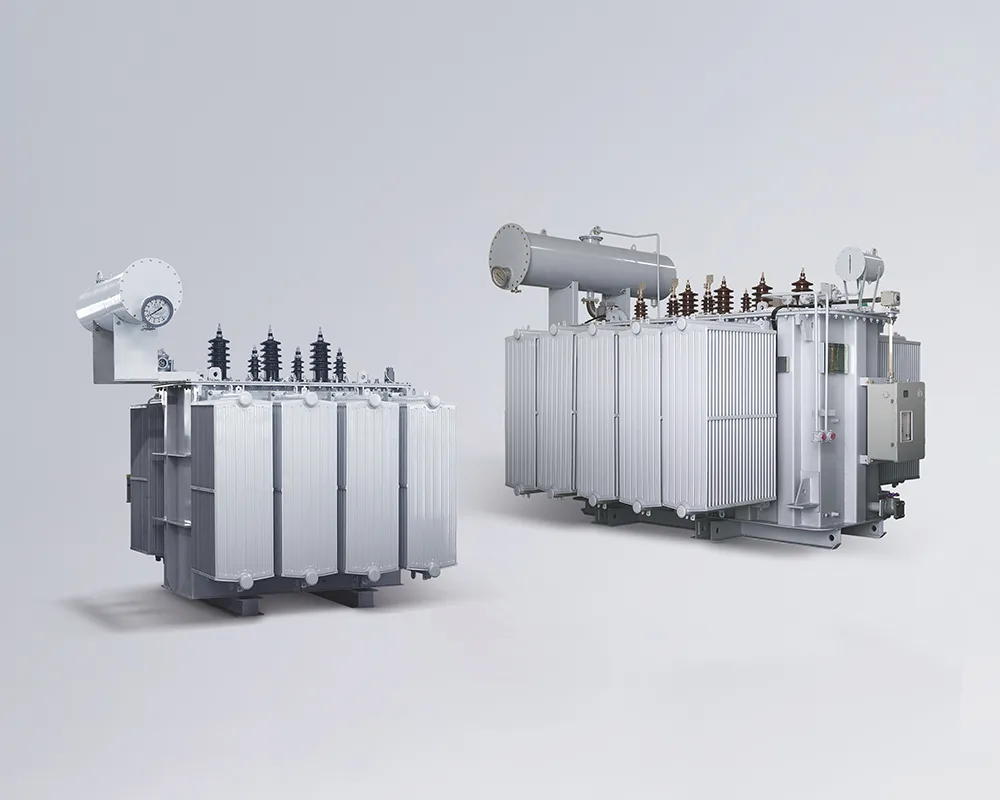
This guidance is relevant when a buyer is specifying an oil-immersed transformer package and wants the commissioning documentation to be clear before order release, delivery, or site energization. JUBANG publicly presents 6–10 kV oil-immersed power transformers and describes OEM/ODM support for customized transformer projects, including project-specific electrical requirements and documentation.
For a higher-voltage or integrated distribution scope, the buyer can also review JUBANG’s 35 kV oil-immersed power transformer. In an inquiry, request confirmation of the offered equipment’s liquid type, documentation scope, factory-test documents, delivery condition, OEM installation instructions, and interface with the owner’s site-commissioning plan.
Fit boundary
JUBANG may be a relevant equipment and technical-documentation contact for a specified oil-immersed transformer or integrated power-distribution project. This article does not establish that JUBANG performs site oil sampling, field treatment, independent laboratory analysis, engineering release, or acceptance certification. Those services and responsibilities must be confirmed in writing for the specific project.
Next step: submit an OEM/ODM transformer consultation with the RFQ inputs above. Ask the project team to confirm the proposed equipment scope and documentation interfaces before treating an oil-test report as a commissioning release.
FAQ
Which transformer oil tests are normally considered before commissioning?
The project may require a package covering liquid identity and condition, breakdown voltage, water, and DGA, among other tests. Select the actual scope from the contract, OEM instructions, liquid type, equipment design, and owner requirements; do not copy a generic list without that review.
Is one dielectric breakdown-voltage result enough to release a transformer?
No universal rule supports that conclusion. A breakdown-voltage result can be important, but it needs the specified method, sample traceability, liquid context, acceptance basis, and the rest of the agreed commissioning evidence.
Why must the test method appear on the report?
The method defines how the result was produced. Both IEC 60156 and ASTM D1533 describe defined test methods, so the report should identify the applicable method and edition.
How is water in insulating oil measured?
ASTM D1533 covers measurement of water in insulating liquids by coulometric Karl Fischer titration. Whether that method and any related acceptance criterion apply is a project-specification decision.
Does a pre-energization DGA diagnose a transformer fault?
It can establish a baseline and report individual dissolved gases by the selected method. Under IEC 60599, interpretation is guidance requiring proper engineering judgement, so a commissioning team should not use a single report as an automatic diagnosis. For ester fluids, use the liquid-specific interpretation approach selected by the responsible engineer; a Duval Triangle, when specified, is an interpretation aid rather than a release criterion.
Who sets the acceptance limit for a new transformer?
The contract, owner specification, equipment OEM, liquid specification, applicable method, and responsible engineering authority govern. The laboratory reports results; it should not silently invent the project release criterion.
What should be included in an oil-test RFQ?
Include equipment and liquid identity, sample points, required methods and editions, report fields, timing, acceptance authority, exception workflow, and the governing technical documents. The RFQ list in Part 6 is a starting structure.
Can an inexperienced contractor perform oil filling and testing?
The governing answer is the OEM installation instruction, contract scope, competence requirements, and project risk assessment. Practitioner discussions raise valid concerns about specialised equipment and controlled procedures, but they are not a substitute for those governing documents.
Products are exported to more than 100 countries and regions such as Africa, the Middle East, and the United Kingdom and Europe. It is a leading manufacturer of power distribution equipment in China.

 JUBANG