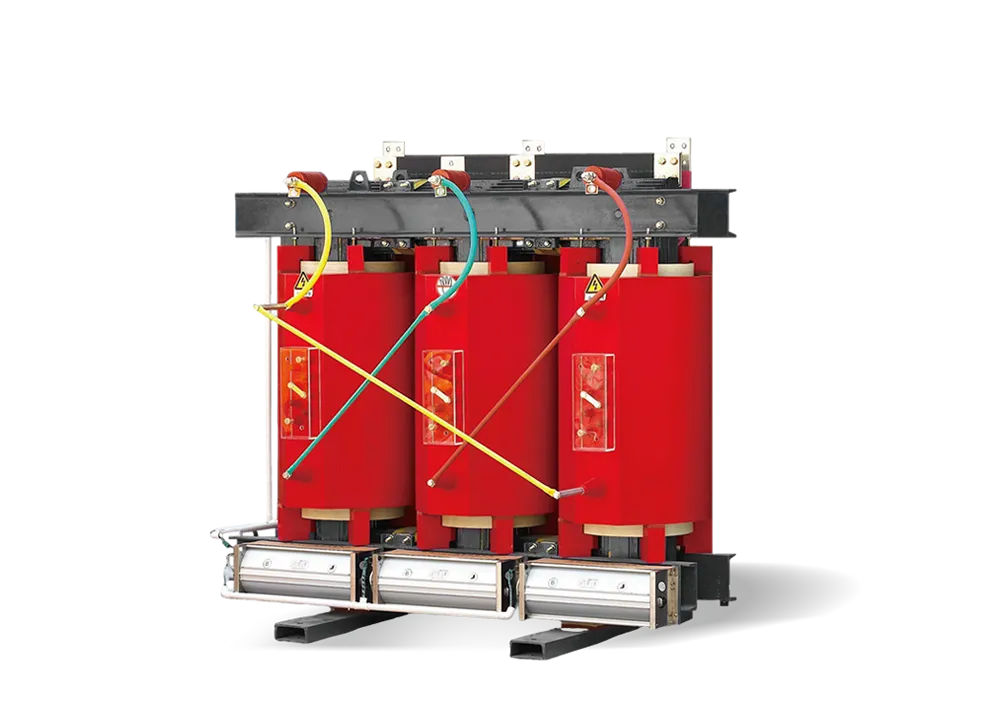
From transformers and switchgear to ring main units, substations, circuit breakers and smart components, Jubang provides integrated product support for power distribution projects.
Discover Jubang’s strengths in technology R&D, quality testing and smart manufacturing, supporting reliable electrical equipment and efficient power distribution solutions for global customers.
From technical consultation and OEM/ODM customization to EPC support, smart O&M, delivery documentation and after-sales service, Jubang supports your project at every stage.
Explore Jubang Group’s development history, intelligent manufacturing base, R&D platforms, CNAS-accredited laboratory and global project service capabilities.
Transformer Maintenance Plan for Oil, Cooling, and Connections
Release Time: 2026-07-20
A transformer maintenance plan works when it preserves the right evidence for the actual asset: liquid identity and sampling record, supplied cooling arrangement, electrical interfaces, indications, operating context, and the owner of each unresolved condition. It should not be a copied calendar with values or actions that ignore transformer construction, liquid, duty, accessories, and approved OEM documentation.
Part 1. Set the maintenance basis before scheduling work
The plan starts with an asset record, not an interval. Identify the transformer tag, nameplate and approved drawings; liquid type and compartment; cooling and accessory arrangement; bushing and terminal interfaces; operating duty; environmental exposure; current operating restrictions; and the documents that govern maintenance and escalation.
IEC 60422 provides supervision and maintenance guidance for mineral insulating oils and other hydrocarbon liquids in transformers. That scope helps frame the liquid portion of a plan, while the transformer OEM and project documents define the equipment-specific tasks, acceptance authority, and safe-work controls.
Plan element
Record before work starts
Why it changes the maintenance scope
Asset identity
Transformer tag, nameplate, drawings, and revision status
Prevents the plan from being transferred to a different arrangement.
Liquid context
Liquid type, compartment, fill or service history, and prior reports
Sets the correct sampling and interpretation context.
Supplied arrangement
Cooling equipment, bushings, terminals, gauges, alarms, and available drawings
Determines what can actually be inspected and tested.
Operating context
Loading history, switching events, ambient or site conditions, and active restrictions
Gives later observations a usable comparison context.
Decision authority
Owner, OEM, maintenance lead, laboratory contact, and responsible engineer
Makes the exception path clear before an issue is found.
Important: Keep the approved maintenance instructions with the asset record. A visual inspection cannot establish the intended design, accessory list, or required action for a particular transformer; source context: IEC 60422.
Part 2. Preserve oil-sample integrity from valve to laboratory
Oil sampling is not only a laboratory request. IEC 60475 applies to sampling insulating liquids in delivery containers and electrical equipment, including transformers and bushings, while ASTM D923 explains that careless sampling or contaminated equipment can produce erroneous conclusions.
Before collection, name the asset and compartment, identify the liquid, confirm the authorized sample point, and use the project-approved collection and safety procedure. Keep the sample container, sampler, collection time, equipment state, custody transfer, laboratory request, and requested methods together with the eventual report.
Oil-sampling and laboratory input checklist
Transformer tag, compartment, liquid type, and liquid supplier or batch information where available.
Sample-point identity, collection date and time, collector, container type, and the equipment state recorded under the approved plan.
Relevant operating context, such as recent processing, filling, switching, loading change, or unresolved condition.
Chain-of-custody record showing every handoff and the laboratory request that identifies the required analyses and methods.
Laboratory report fields: sample ID, test method and edition, units, result, comments, and the stated comparison or acceptance basis.
The original report, not only a transcribed summary, retained with prior comparable records.
IEC 60156 defines a power-frequency breakdown-voltage method, and ASTM D1533 covers water measurement by coulometric Karl Fischer titration. Those method names belong beside the reported result; neither source creates a universal release value for every transformer.
Tip: If a sample or label is incomplete, preserve the gap instead of silently repairing the record. A repeat collection, comparison, or decision should follow the approved project process; source context: ASTM D923.
Part 3. Inspect cooling against the supplied arrangement
Cooling checks begin by confirming the actual arrangement from the approved drawing and OEM instructions. An oil-immersed transformer may have radiators, fans, pumps, coolers, control devices, indicators, or none of those accessories in the assumed combination, so the inspection record must name what is fitted before it describes a condition.
For each accessible component, record the observed physical condition, leakage or contamination evidence, supports, guards, wiring and control interfaces, unusual sound or vibration reports, and any indication associated with operation. Do not infer a cooling defect from one observation; compare the result with the equipment documentation, operating context, and responsible engineer’s review path.
Cooling record
What to retain
Escalation question
Arrangement
Approved drawing, accessory schedule, and component identification
Is the observed equipment the equipment shown in the current documents?
Physical inspection
Condition notes and photographs where the work process allows
Is there a change that needs OEM or engineering review?
Control evidence
Indicator state, available alarms, control-circuit records, and test evidence required by the plan
Is the indication verified, and who owns the next check?
Operating context
Load, ambient or site context, recent events, and prior observations
Is there a comparable record or a changed operating condition?
The goal is a traceable observation, not a generic fan or pump maintenance instruction. Where a plan calls for functional checks, use the supplied manufacturer’s method and the authorized work procedure.
Part 4. Review terminals, connections, and bushings as interfaces
Terminals, leads, bushings, grounding points, and associated connectors form interfaces between the transformer and the surrounding system. The maintenance record should identify each accessible interface from the current drawing, then capture its condition, markings, protective covers, signs of leakage or damage, conductor support, and any approved test or inspection evidence.
An unusual temperature indication, discoloration, loose-looking hardware, contamination, damaged insulation, or fluid trace is an observation that needs context. It does not by itself identify the cause, prove a contact problem, set a torque value, or authorize repair; preserve the observation with load history, recent work, photographs where permitted, and the applicable OEM documentation.
Keep bushing review construction-specific
Bushing checks must match the actual bushing design and installed accessories. Review the relevant drawing, bushing documentation, accessible external condition, oil interface where applicable, test-tap or monitoring arrangement where supplied, and prior condition records before asking an engineer or OEM to assess a change.
For a separate equipment-interface discussion, see JUBANG’s related transformer bushing maintenance signals guide. The next action still belongs to the approved asset documents and the assigned engineering authority.
Part 5. Treat gauges and alarms as evidence, not conclusions
Gauges, temperature indications, liquid-level devices, pressure-related devices, fan or pump controls, and alarm contacts can make a maintenance record more useful when their identity and circuit context are preserved. They do not replace an inspection, liquid record, wiring check, or engineering decision.
Use the approved drawings and alarm list to identify the device, displayed or reported condition, timestamp, related operating state, available control-circuit evidence, and the person responsible for follow-up. A mismatch between an indication and field observation should be documented as a verification question, not silently labelled as either an equipment failure or an instrument failure.
Indication record
Minimum context
Do not conclude without review
Gauge or display
Device identity, displayed condition, time, and operating state
That the display establishes root cause
Alarm or contact
Alarm list reference, related circuit evidence, and acknowledged action
That every alarm requires the same response
Control status
Supplied control arrangement and approved functional-test evidence
That a control output proves the field component operated correctly
Visual observation
Location, condition, photograph where allowed, and prior comparison
That a visible change determines the repair
IEC 60422 is useful liquid-maintenance guidance, but its published scope excludes condition monitoring by dissolved gases and furans. Keep liquid supervision, DGA interpretation, equipment indications, and asset-specific decision authority distinct in the maintenance record.
Part 6. Trend records and escalate conditions with context
A condition-based plan becomes useful when each new observation can be compared with controlled prior evidence. ASTM D3612 notes that changes in individual dissolved-gas concentrations over time are used to evaluate apparatus condition; that supports retaining comparable records rather than treating a single report as a complete diagnosis.
For mineral-oil-filled equipment with cellulosic insulation, IEC 60599 describes gas-analysis indications as guidance and says resulting action needs proper engineering judgment. The same boundary applies to a maintenance observation: assemble the asset identity, sample or inspection record, operating context, applicable documents, prior trend, and unresolved questions before requesting a decision.
Escalation package
State the observed condition or missing evidence without assigning an unverified cause.
Attach the original oil report, chain-of-custody record, inspection notes, relevant photographs, drawing revision, and operating context.
Identify the governing OEM instruction, owner requirement, contract document, or approved maintenance plan.
Name the decision owner for repeat sampling, further inspection, testing, corrective work, operating restriction, or close-out.
Record the decision and any new evidence so the next review has a controlled baseline.
For the wider pre-energization evidence package, read the related oil-immersed transformer installation guidance. Maintenance records support an engineering decision; they do not independently grant energization authority.
Part 7. Build the maintenance-support RFQ and fit boundary
An RFQ for maintenance-support information should describe the actual asset and evidence gap, rather than ask for a generic maintenance schedule. This lets an equipment supplier, OEM contact, laboratory, contractor, and owner identify their interfaces without implying an unagreed service or approval responsibility.
Maintenance and RFQ input checklist
Transformer nameplate, equipment tag, one-line diagram, latest drawings, and the component or compartment in question.
Liquid type, sample point, prior laboratory reports, requested method or report format, and available chain-of-custody information.
Cooling arrangement, accessory schedule, gauges, alarms, bushings, terminals, and the available OEM manuals.
Operating duty, recent switching or site events, loading context, environmental exposure, and current restrictions.
Inspection records, photographs where permitted, outstanding deviations, prior engineering decisions, and the required response date.
Owner, OEM, laboratory, contractor, and engineering responsibilities; specify who may approve a repeat test, corrective work, or operating decision.
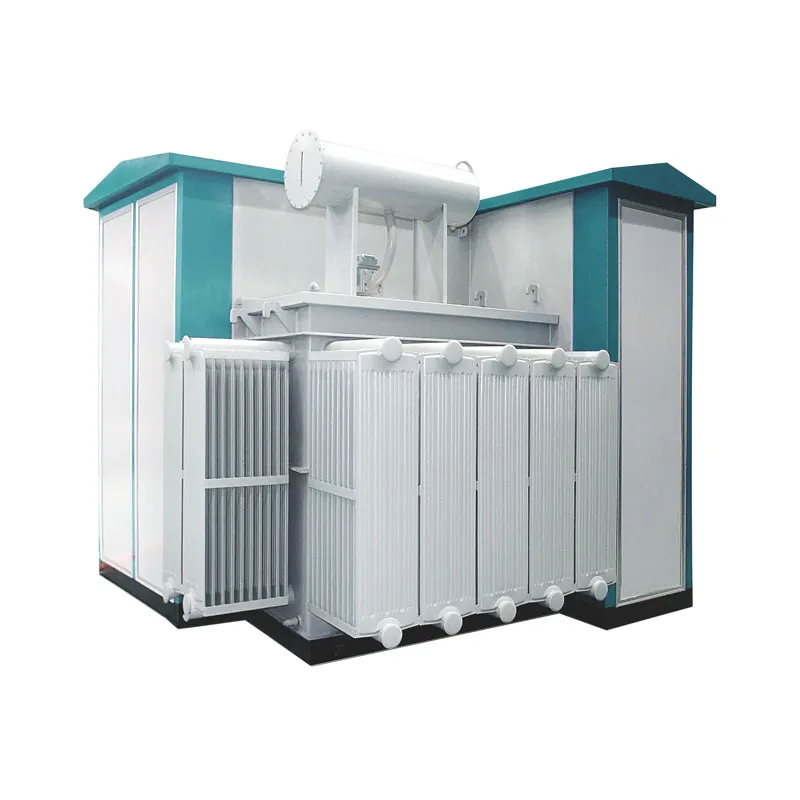
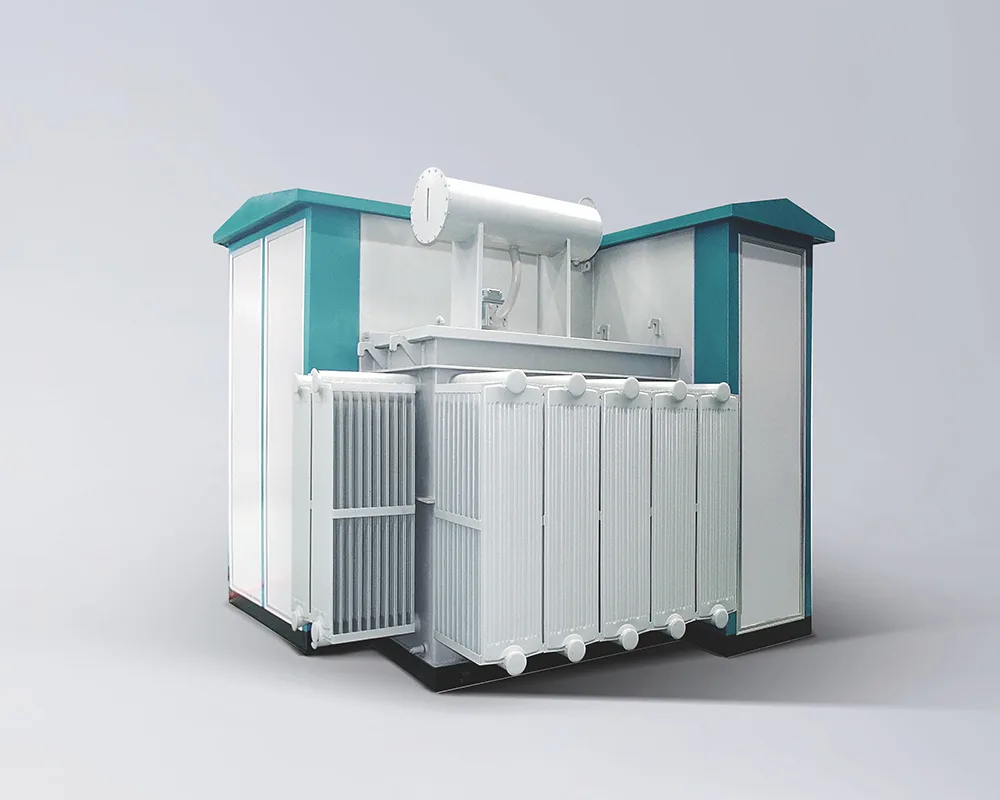
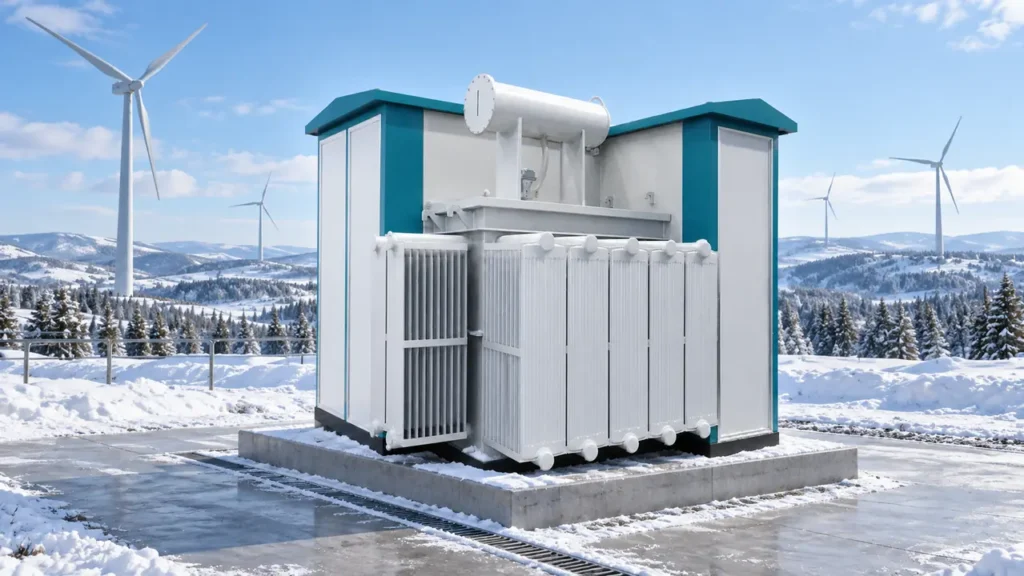
Where the documented scope involves a combined transformer arrangement, a JUBANG wind-power combined transformer may be relevant as equipment-family context. It should not be treated as evidence of the maintenance arrangement, a laboratory service, a field intervention, or a decision for a specific asset.
Fit Boundary
Use this guide to build a controlled transformer maintenance record and enquiry package. Do not use it to select an interval, interpret an oil result, set a cooling-control or alarm value, determine connection torque, diagnose a fault, approve corrective work, or authorize energization.
For a project-specific equipment and documentation discussion, contact JUBANG with the maintenance and RFQ inputs above.
FAQs
What should a transformer maintenance plan include?
Include the asset identity, current documents, liquid and sampling context, supplied cooling and interface arrangement, indications, inspection evidence, operating history, records, and a named escalation owner. The actual task scope follows the transformer design, OEM instructions, owner requirements, and operating context.
How should an oil sample be documented?
Record the transformer and compartment, liquid identity, authorized sample point, collector, container, collection conditions, custody transfers, laboratory request, named methods, and original report. ASTM D923 stresses that non-representative or contaminated sampling can lead to erroneous conclusions.
Do all transformers need the same cooling checks?
No. Confirm the cooling equipment and accessories actually supplied, then use the applicable drawings, OEM instructions, and authorized work method to define the inspection and any functional evidence.
Can a hot terminal or discolouration identify the fault?
No. It is a condition observation that should be preserved with location, operating context, recent work, relevant records, and the equipment documentation; the responsible engineer or OEM determines the next investigation.
Are bushing checks the same for every design?
No. Bushing construction, oil interface where applicable, test-tap or monitoring arrangement, external environment, and OEM instructions determine the relevant evidence and review path.
Should a gauge or alarm be treated as an automatic diagnosis?
No. Confirm the device identity, indication or contact, circuit context, operating state, and related observation before the responsible party determines the response.
Why keep transformer maintenance trend records?
Trend records create a controlled comparison between present and prior evidence. ASTM D3612 identifies changes in individual dissolved-gas concentrations over time as an apparatus-condition input; the same record discipline improves review of inspection and operating observations.
When should a maintenance observation be escalated?
Escalate when the agreed plan identifies a deviation, the evidence is incomplete, or a change cannot be resolved against the asset documents and previous records. Provide the original observation and records to the named owner, OEM, or responsible engineering authority rather than assigning an unsupported cause.
What belongs in a transformer maintenance RFQ?
Provide asset and liquid identity, drawings, cooling and accessory arrangement, current operating context, oil and inspection records, open deviations, required report format, decision responsibilities, and the required documentation. This lets each party define scope and exclusions against the actual transformer.
Products are exported to more than 100 countries and regions such as Africa, the Middle East, and the United Kingdom and Europe. It is a leading manufacturer of power distribution equipment in China.

 JUBANG