From transformers and switchgear to ring main units, substations, circuit breakers and smart components, Jubang provides integrated product support for power distribution projects.
Discover Jubang’s strengths in technology R&D, quality testing and smart manufacturing, supporting reliable electrical equipment and efficient power distribution solutions for global customers.
From technical consultation and OEM/ODM customization to EPC support, smart O&M, delivery documentation and after-sales service, Jubang supports your project at every stage.
Explore Jubang Group’s development history, intelligent manufacturing base, R&D platforms, CNAS-accredited laboratory and global project service capabilities.
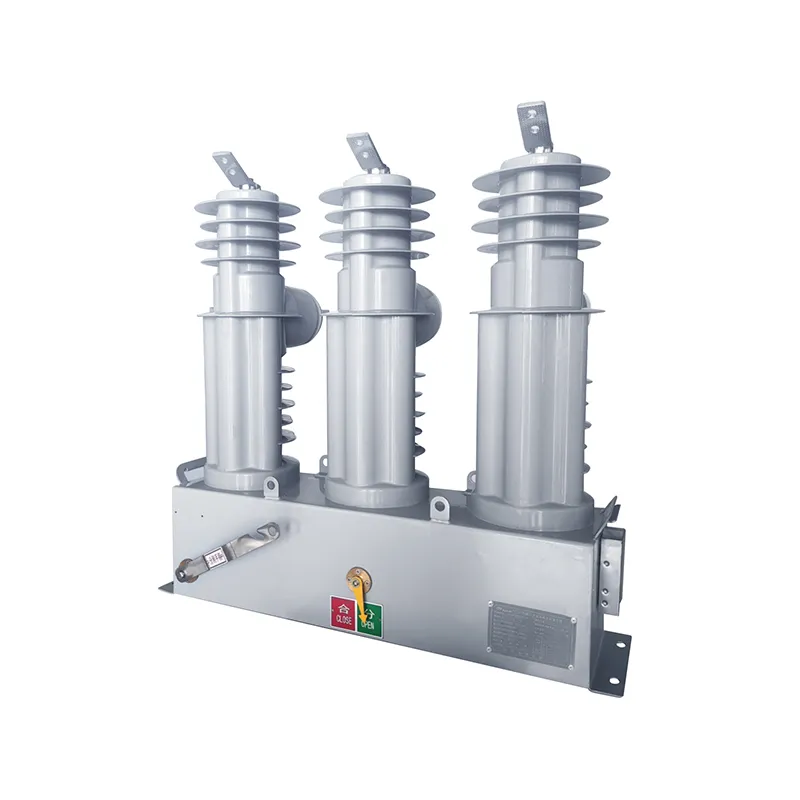
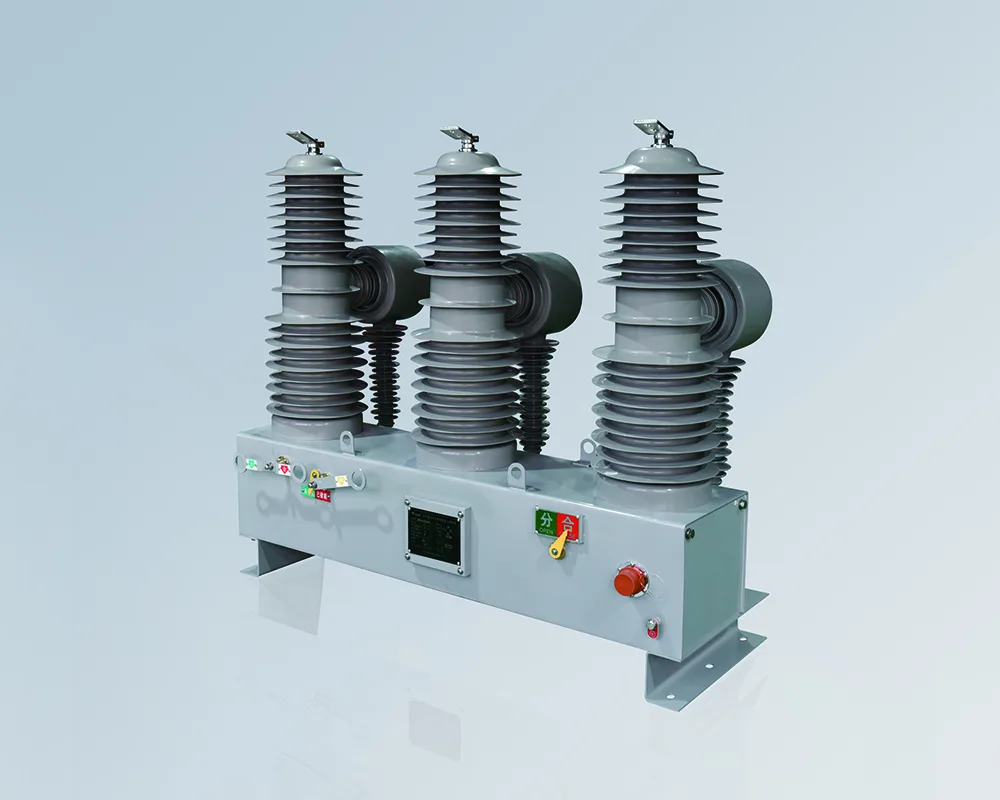
What to Confirm Before Pole-Mounted VCB Installation
Release Time: 2026-08-04
Pole-mounted VCB installation succeeds when structure capacity, clearances, earthing interfaces, and control routing are confirmed against project drawings before lifting and wiring; catalog outlines cannot replace those site inputs. Use this page to confirm structure, clearances, and earthing interfaces before the lift date.
Part 1. What must a pole-mounted VCB installation establish first?
Establish the approved single-line position, structure owner, earthing philosophy, and control interface before mobilizing crews.
Readers searching for pole-mounted VCB installation usually need a project checklist, not a catalog slogan.
Part 2. How should the pole and mounting arrangement be assessed?
Confirm pole class, foundation, cross-arm or bracket duty, and lifting method. Existing poles need a capacity check for added mass and wind area.
Check
Evidence
Common gap
Pole capacity
Structure note or calculation ref
Assumed reuse without check
Mounting hardware
Scope split factory vs site
Hardware missing at lift
Earthing terminals
Drawing with bonding points
Field improvisation
Control route
Cable schedule
Shared power tray by habit
Part 3. Which clearances and working spaces need project confirmation?
Clearances come from the project standard and utility rules for the voltage class. Record them on the construction drawing instead of estimating from photos.
Important: Do not invent pole clearances or earthing resistance targets in a blog checklist. Use the project standard and the manufacturer outline for the offered model. (Source: IEC installation principles / IEEE grounding overviews / project drawings.)
Part 4. How should the earthing interface be defined?
Show earth conductor routes, bonding points, and responsible trades. Vague ‘earth as usual’ notes create incomplete installations.
Part 5. What must the control and communication installation include?
Define cable type, segregation from power routes, gland points, and spare cores. Shared trays need an explicit approval note.
Part 6. Which supplier inputs close the installation RFQ?
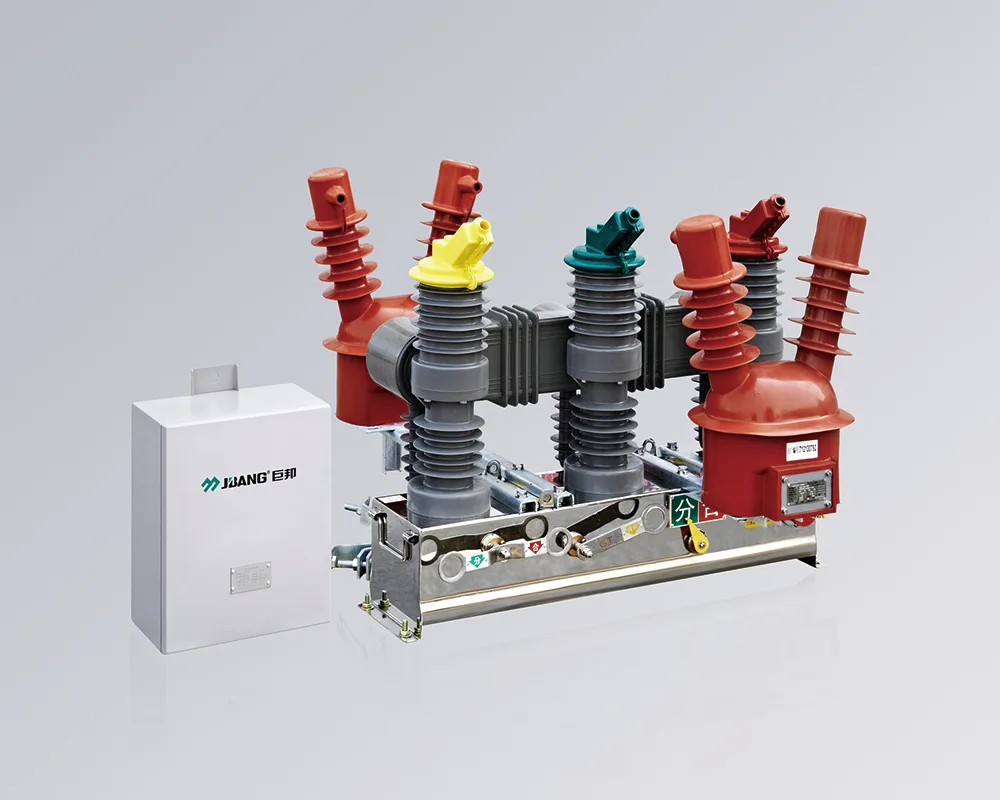
Ask for outline drawings, mass, mounting hardware scope, earthing terminals, and document list when discussing JUBANG pole-mounted VCB routes.
Project signal
JUBANG route
Send with quote
Pole-mounted outdoor VCB install
ZW32-40.5 Outdoor Pole Mounted VCB
Structure note, SLD, earthing sketch, control list
Products are exported to more than 100 countries and regions such as Africa, the Middle East, and the United Kingdom and Europe. It is a leading manufacturer of power distribution equipment in China.

 JUBANG