JUBANG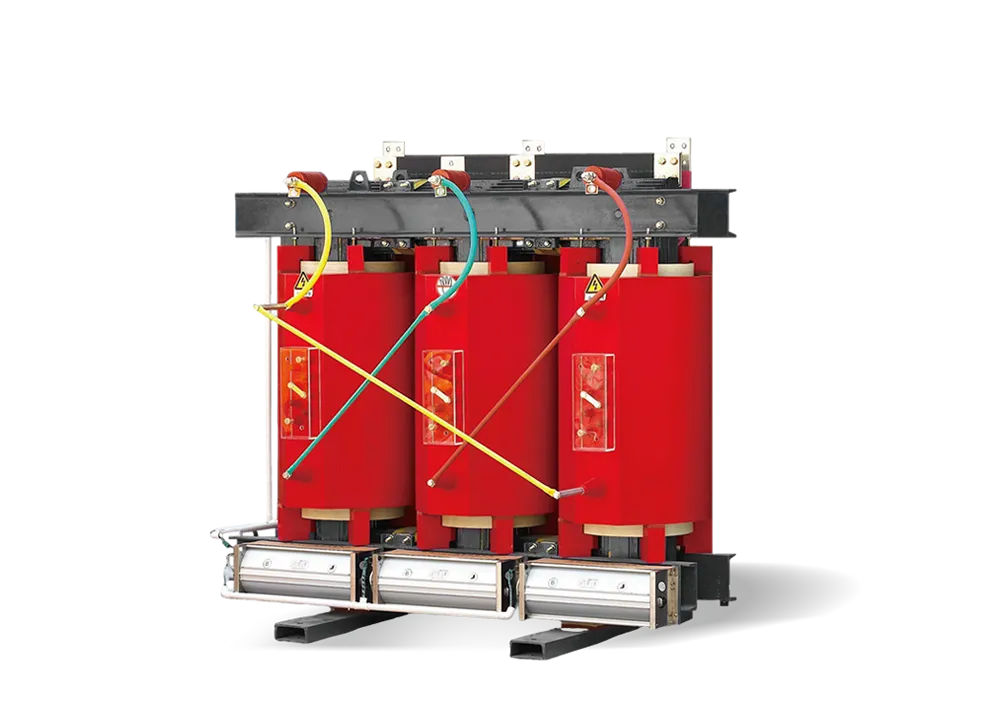
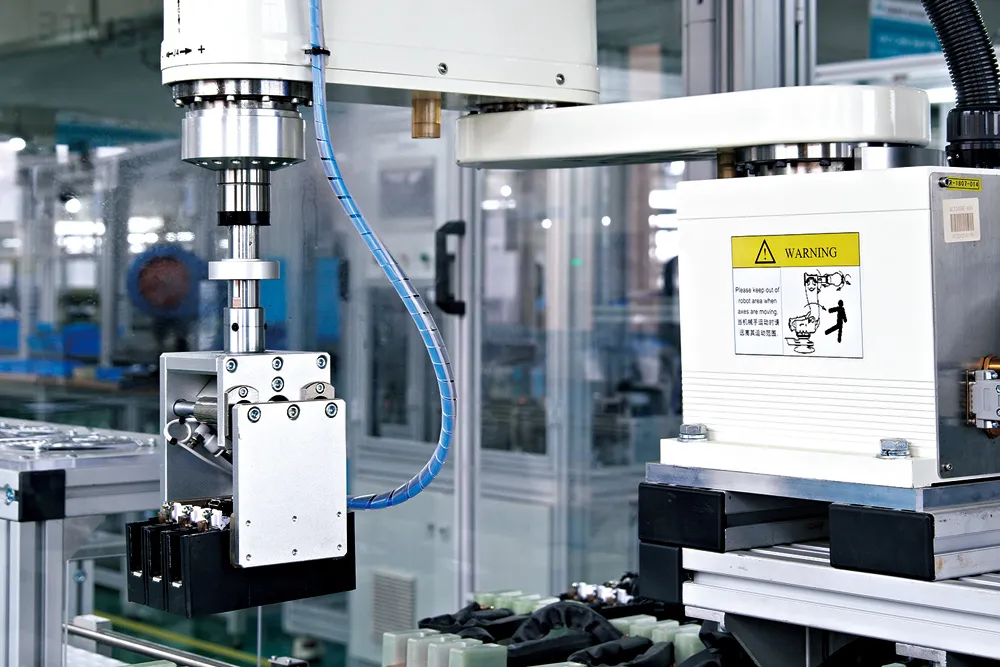
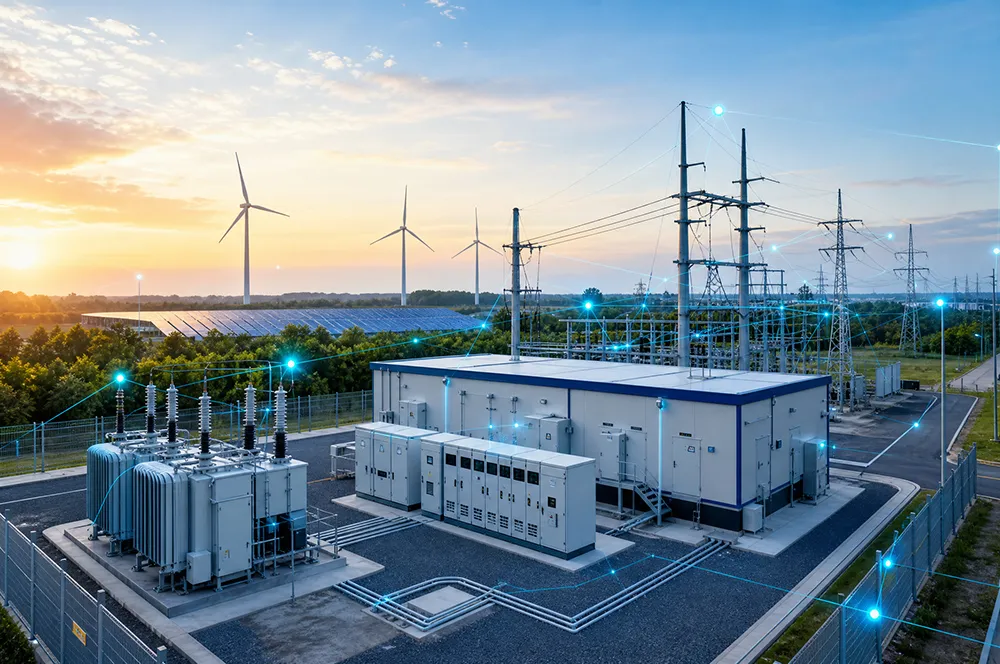

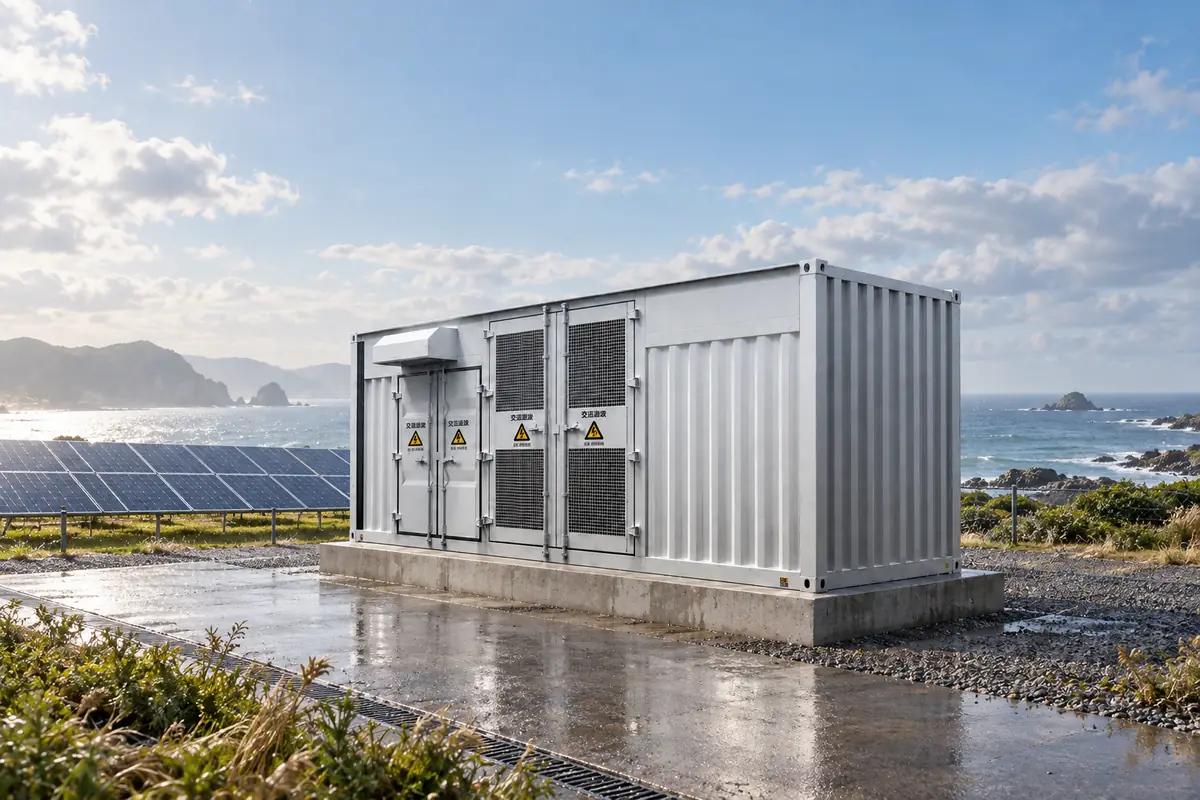
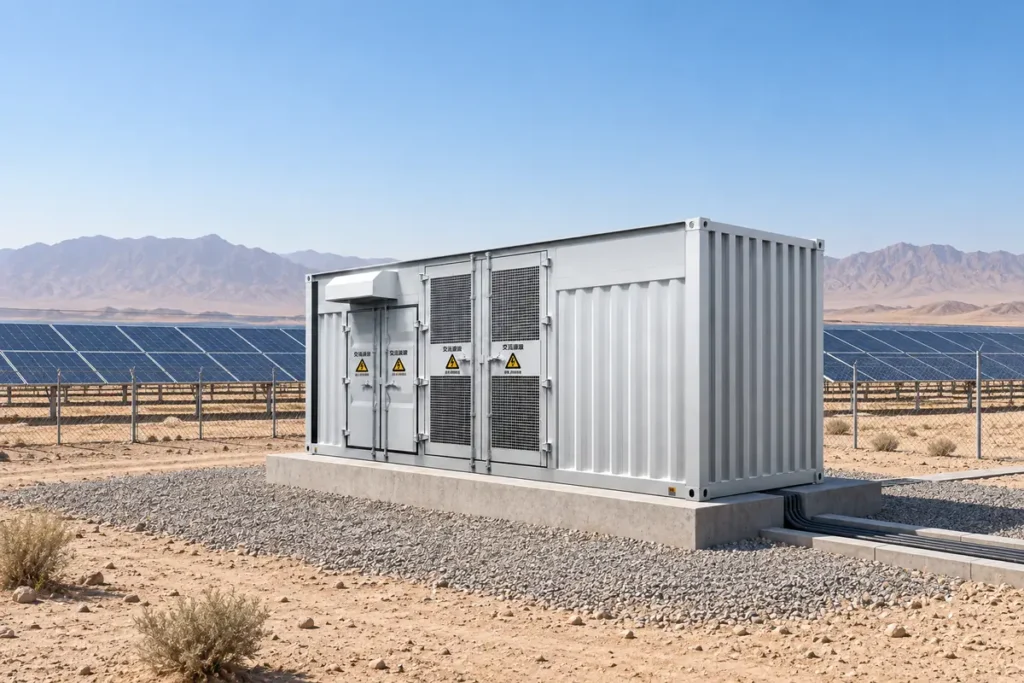
When Arif, a PV EPC electrical lead in Nakhon Ratchasima, Thailand, energized a 5 MW block, the inverter tripped before noon and the transformer temperature alarm followed. The crew first blamed a faulty inverter. A review showed a different root cause: the skid had been sized at nameplate power for a 25 °C room, while the enclosure sat at 44 °C with dust-loaded filters and no allowance for cable-bending space. Re-selecting an integrated inverter, booster transformer and medium-voltage switchgear package restored the design margin without enlarging the foundation.
Summary: An all-in-one European PV inverter booster transformer combines power conversion, voltage step-up and MV protection in one coordinated station. For Southeast Asian or Middle Eastern sites, specify the complete thermal envelope, dust and humidity controls, and tested MV enclosure—not only the kVA label. A practical first pass is to derate continuous output for the actual ambient, verify IP protection to IEC 60529, and require design evidence against IEC 62271-200/1 and IEC 60076-1/11 before comparing bids.
What the integrated architecture actually contains
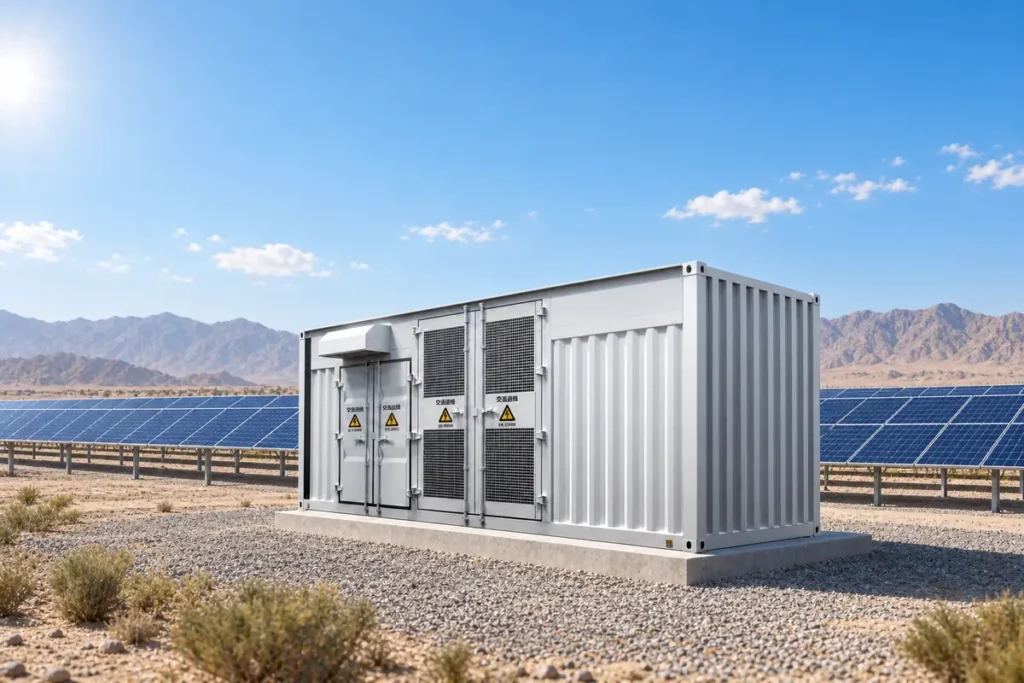
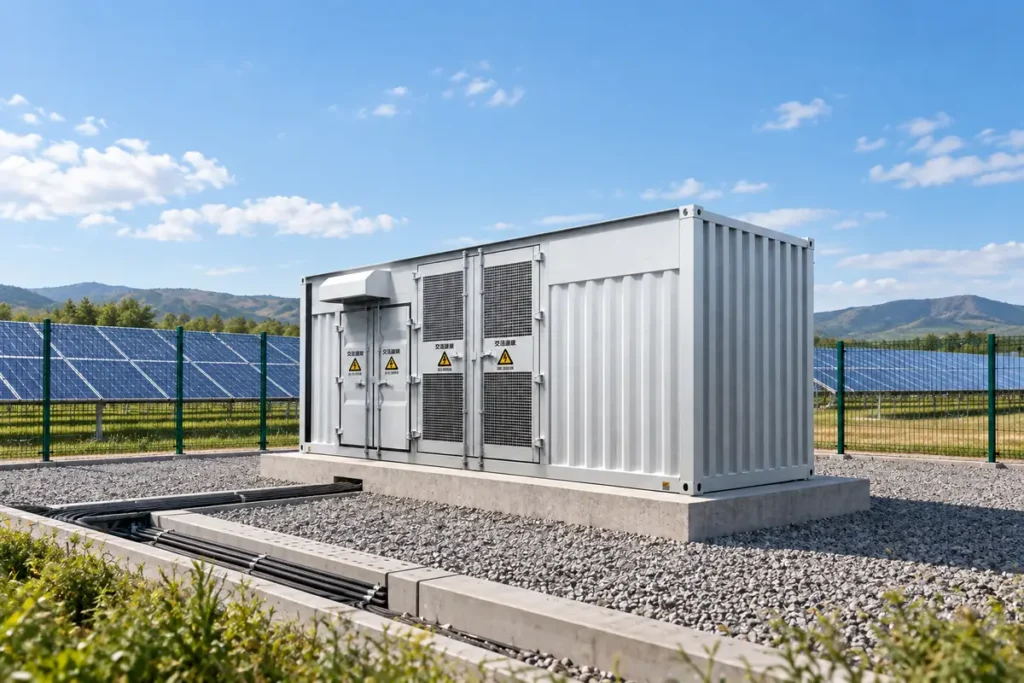
A European-style PV station normally places a three-phase inverter, a low-voltage-to-medium-voltage booster transformer, and a compact MV switchgear or ring-main unit in a coordinated enclosure. Auxiliary circuits, surge protection, metering and an interface for plant SCADA are engineered as one bill of materials. The result is fewer site interfaces than a field-assembled inverter beside a separate transformer kiosk.
“European” describes the arrangement and protection philosophy, not a continent of manufacture. The transformer may be oil-immersed or cast-resin dry type; the MV compartment may use air-insulated or gas-insulated switchgear. IEC 62271-200 addresses metal-enclosed AC switchgear above 1 kV, while IEC 62271-1 sets common service and test requirements. The selected construction must match the utility’s earthing, fault-level and service-access rules.
Typical conversion is 800–1,500 V DC to 400–690 V AC in the inverter, then 11, 20 or 33 kV at the booster transformer secondary. A 1,000 kVA transformer at 33 kV carries approximately 17.5 A on the MV side (1,000,000 VA ÷ √3 ÷ 33,000 V). That current drives cable, switchgear and protection settings; it is not an abstract catalog number.
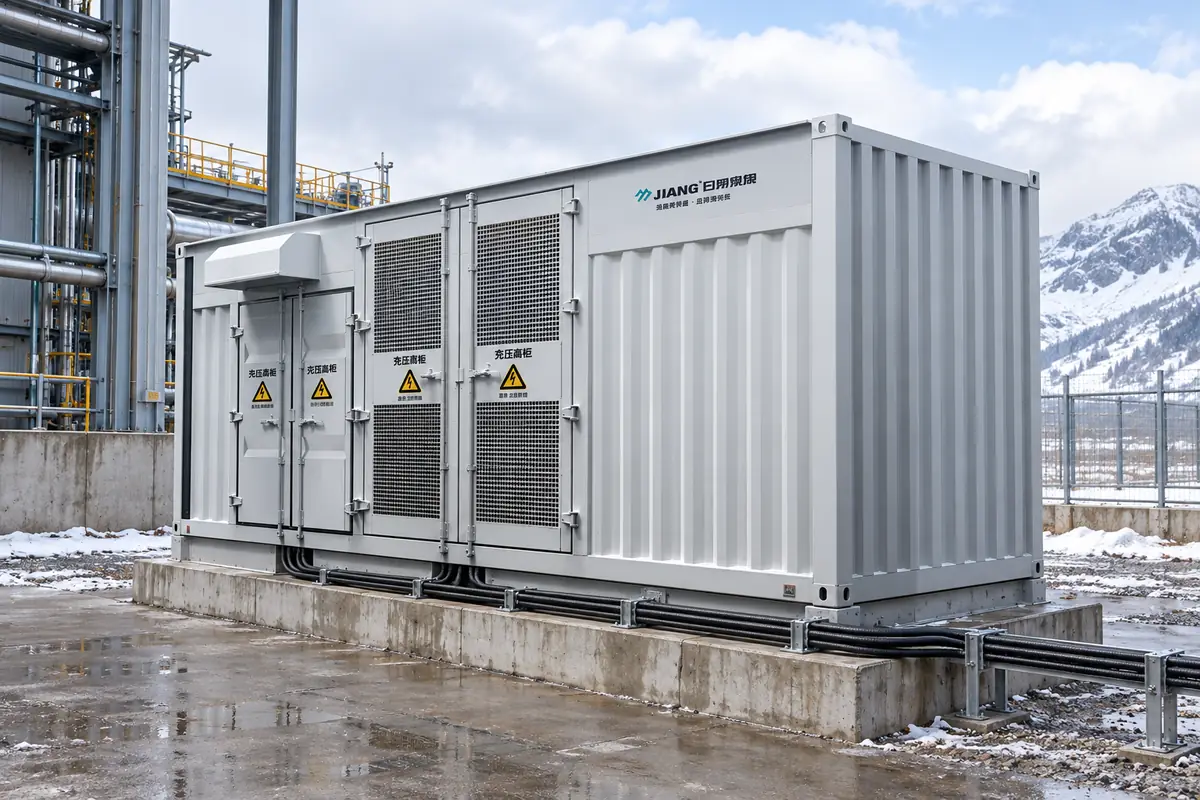
Thermal derating, dust and humidity: design for the envelope
Power electronics and transformers lose margin as ambient temperature rises. Consider this illustrative calculation: a 1,250 kVA station is rated at 40 °C, but the site design ambient is 50 °C. If the supplier’s verified derating curve allows 1.5% output reduction per degree above 40 °C, usable capacity is 1,250 × [1 − (10 × 0.015)] = 1,062.5 kVA. A 1,100 kVA PV block would therefore need either a larger transformer, active cooling, or a lower export limit. The curve must come from the manufacturer’s heat-run or type-test data; do not infer it from a generic rule.
Dust raises pressure drop across filters and coats heatsinks, reducing heat transfer. Specify filter access from the service side, differential-pressure monitoring, and a cleaning interval based on measured dust loading. For humid coastal sites, condensation can occur during night shutdown even when daytime temperature is high. Anti-condensation heaters, humidity sensors and a controlled ventilation strategy are more reliable than simply adding a larger fan.
Use IP ratings by compartment and by operating condition. IEC 60529’s IP code describes ingress protection; it does not certify thermal performance or resistance to corrosive gases. An IP54 cabinet may be appropriate for a sheltered station with filtered airflow, while an exposed dusty location may justify IP55 or IP65 for selected compartments—provided heat rejection and pressure-relief paths remain compliant. Ask for the test report and the exact door, gland and filter configuration.
Engineering takeaway: In harsh climates, the limiting component is often the hottest semiconductor, winding or cable termination—not the transformer nameplate. Model solar irradiance, enclosure heat gain and altitude together, then validate the result with a documented temperature-rise test.
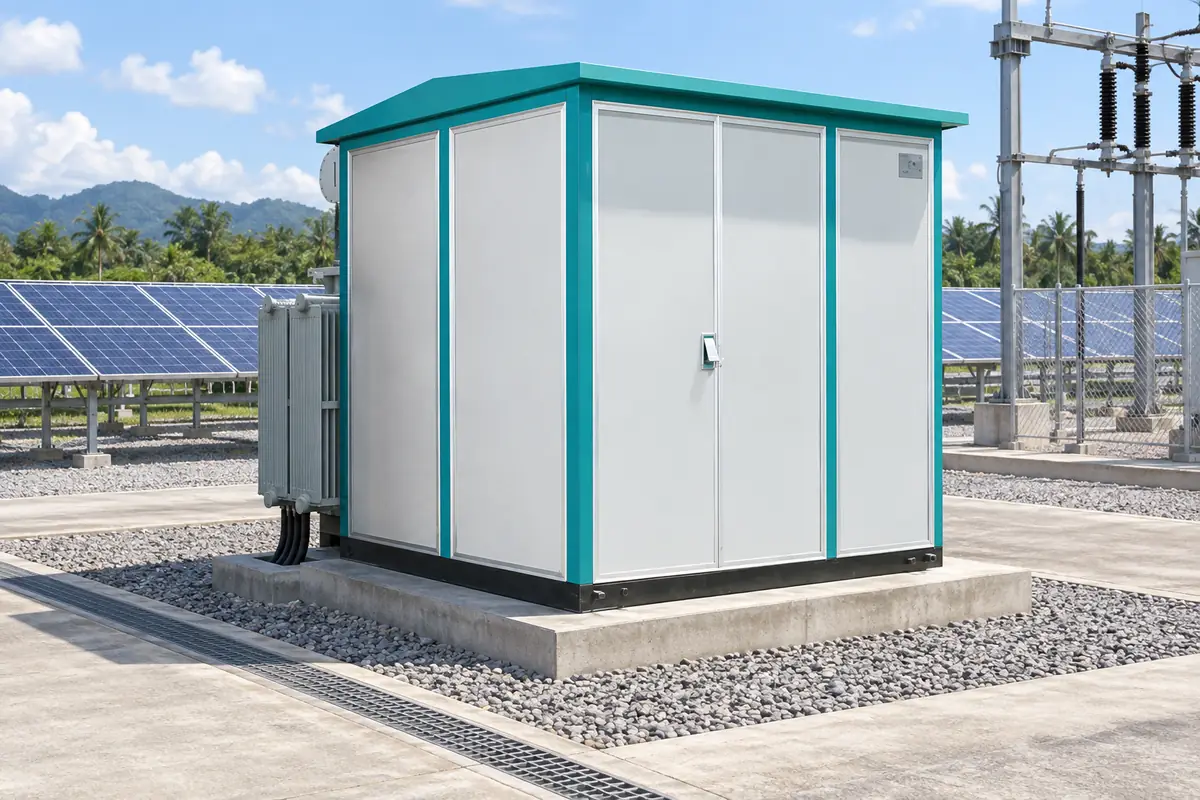
Comparison: integrated European station versus separated equipment
| Decision dimension | All-in-one European station | Separate inverter, transformer and MV lineup |
|---|---|---|
| Installation sequence | Factory-wired package; one lift and defined interfaces | More field terminations, alignment and commissioning steps |
| Footprint | Compact shared enclosure; cable zones must be checked early | Flexible spacing, usually more civil area |
| Thermal behavior | Common heat model; internal hotspots can interact | Heat sources separated, but room-level HVAC may be larger |
| Dust and humidity control | One coordinated IP, filter and drain strategy | Each cabinet can be optimized, with more seals to maintain |
| Maintenance | Single service plan; outage may affect the whole block | Individual equipment can be isolated more easily |
| Total cost of ownership | Lower civil and wiring cost is possible; proprietary spares may cost more | Competitive component pricing; added engineering and interface risk |
Application and dimension matrix
| Site case | Indicative electrical choice | Environmental and compliance focus | Dimension to confirm |
|---|---|---|---|
| 1–5 MW remote block, 33 kV collector | 1–2.5 MVA station, oil or resin transformer | IP54–IP55 outer shell, dust filtration, remote alarms | Foundation, lifting points, MV cable bend radius |
| Coastal Middle East, high salinity | Oversized cooling margin; sealed MV compartment | Condensation control, corrosion coating, heater duty | Clearances after gland plates and maintenance doors |
| Monsoon Southeast Asia | Moisture-tolerant insulation and drainage | IP rating by zone, humidity logging, surge coordination | Raised plinth and flood level above finished grade |
| High-altitude or weak-grid site | Altitude-adjusted insulation and inverter controls | Derating, partial-discharge evidence, protection study | Air clearances, sound limits, transport envelope |
Hidden costs and failure modes buyers should price
Compare bids on installed and lifetime cost, not enclosure price. Illustrative example: if a 1.25 MVA station saves 30 m of MV cable and two days of crane and termination work, the civil and installation saving may be material; however, a blocked filter that causes a 2% export limit during 300 high-irradiance hours at a 1.1 MW block removes 6.6 MWh (1.1 × 0.02 × 300). Multiply that energy by the project’s contracted tariff to expose the cost of weak maintenance access.
Common failure modes include inverter over-temperature trips, transformer winding hot spots, nuisance earth-fault operation from incorrect CT polarity, moisture tracking across contaminated insulators, and cable terminations that exceed their bending radius. Require a cause-and-effect matrix for alarms, thermography access, spare fan and heater quantities, and a recovery procedure after a trip. IEC 60076-1 covers general transformer requirements; IEC 60076-11 applies to dry-type transformers, including temperature-rise and dielectric tests relevant to cast-resin options.
Standards, interfaces and compliance risk
- IEC 62271-200: metal-enclosed AC switchgear above 1 kV; verify internal-arc classification, service continuity and partition class for the offered design.
- IEC 62271-1: common specifications and test framework for high-voltage switchgear.
- IEC 60076-1 and IEC 60076-11: general and dry-type transformer requirements; a standard reference is not, by itself, a certificate.
- IEC 60529: IP code test method for enclosures; confirm the tested configuration, not only the marketing label.
- IEC 61850: communication modeling and services for substation automation; map logical nodes, time synchronization and gateway ownership in the interface schedule.
Commercial risk appears when a tender says “IEC compliant” without a type-test scope, fault rating, test laboratory, edition or deviations list. Local grid codes can add earthing, anti-islanding, harmonic and protection requirements. Make compliance a hold point at design review and obtain utility acceptance before manufacturing.
Selection and procurement checklist
- Freeze the electrical basis: DC voltage, inverter AC output, MV collector voltage, fault level, grounding and export limit.
- Calculate continuous and short-term loading at site ambient, altitude and irradiance; request heat-run and derating curves.
- Set compartment-level IP, corrosion, filter, heater and drainage requirements, with maintainable access on the actual foundation plan.
- Align the protection and communications schedule, including CT/VT ratios, IEC 61850 data points, interlocks and remote trip logic.
- Score suppliers on FAT/SAT scope, documentation, spare strategy and response time; record all assumptions in the purchase order.
For a configurable package and supporting MV equipment, procurement teams can review combined PV transformers, an intelligent integrated substation, 35 kV resin-insulated dry-type transformers, and 12 kV GIS switchgear. Jubang can then align the configuration and documentation to the project’s verified duty rather than assume a universal “European” package.
Frequently asked questions
What is an all-in-one European PV inverter booster transformer?
It is a coordinated station that houses the PV inverter, step-up transformer, MV switching and associated controls in one engineered package. “European” generally refers to the compact integrated layout and MV protection approach; the actual transformer technology and ratings still require project-specific verification.
How does an integrated inverter booster reduce installation time?
Factory wiring and tested interfaces reduce field cable terminations, alignment and point-to-point checks. The saving is realized only when transport, crane access, cable bend radius and utility witness tests are included in the schedule.
What is the difference between a European and American style substation?
European packages commonly integrate inverter, transformer and compact MV switchgear in a single skid or enclosure. American-style units often separate medium-voltage gear and use different practices for pad-mount transformers, clearances and codes; neither label replaces the governing utility specification.
How do harsh environments affect inverter booster transformers?
Heat reduces available output, dust restricts cooling, and humidity can cause condensation and insulation tracking. Specify derating evidence, filtration, heaters, drainage, corrosion protection and an inspection plan tied to measured site conditions.
What IP rating is suitable for a PV booster station?
There is no single universal rating. IP54 or IP55 may suit a filtered outdoor enclosure, while exposed dust or wash-down zones may need higher protection for selected compartments; verify IEC 60529 test scope and ensure the rating does not defeat heat rejection.
How do you size an all-in-one booster transformer for a solar farm?
Start with inverter maximum AC output, power factor, ambient and altitude derating, harmonic heating, collector voltage and the desired export limit. Add a documented margin for continuous duty, then validate transformer temperature rise, protection settings and cable ampacity under the same assumptions.
References
- International Electrotechnical Commission, IEC 62271-200.
- International Electrotechnical Commission, IEC 62271-1.
- International Electrotechnical Commission, IEC 60076-1 and IEC 60076-11.
- International Electrotechnical Commission, IEC 60529.
- International Electrotechnical Commission, IEC 61850 overview.
Procurement checkpoint: The reliable station is the one whose thermal, ingress, protection and service assumptions are written down and tested before shipment. If you are preparing a Southeast Asia or Middle East tender, contact Jubang with the site ambient, MV voltage, inverter block size and utility checklist for a reviewable configuration.