From transformers and switchgear to ring main units, substations, circuit breakers and smart components, Jubang provides integrated product support for power distribution projects.
Discover Jubang’s strengths in technology R&D, quality testing and smart manufacturing, supporting reliable electrical equipment and efficient power distribution solutions for global customers.
From technical consultation and OEM/ODM customization to EPC support, smart O&M, delivery documentation and after-sales service, Jubang supports your project at every stage.
Explore Jubang Group’s development history, intelligent manufacturing base, R&D platforms, CNAS-accredited laboratory and global project service capabilities.
How to Organize Prefabricated Substation Documents Before Shipment
Release Time: 2026-08-11
Prefabricated substation export documentation should be managed as a sequence of controlled project records, not as a generic folder created at dispatch. The buyer and supplier need to distinguish drawing-review inputs, agreed test planning, issued records, shipping documents, and site receiving requirements before a shipment is released.
Important: A document title or product image does not prove that a factory test, shipment, certificate, or export acceptance has been completed. The signed contract and responsible project parties must define the required records and acceptance path. The cited IEC 62271-202 identifies a prefabricated-substation scope, not completion evidence.
Part 1. What does export document handover decide?
Document handover sets the review path from the approved technical scope through production, testing, shipment, and site receipt. It makes the owner, due point, approval state, and required evidence visible before a project team assumes that a milestone is complete.
An IEC scope reference can help frame a prefabricated-substation discussion. It does not substitute for the contract-specific documents or acceptance requirements.
Part 2. Why should document stages stay separate?
A drawing submitted for review, a test plan, an agreed witness arrangement, a completed record, a packing document, and a site receiving record have different purposes. Combining them into one informal checklist makes it difficult to know what is proposed, what is approved, and what is actually issued.
Use one document register with controlled revision and status fields so every project party is looking at the same stage of the work.
Part 3. Where do drawings and interface approvals sit?
The drawing-review stage should connect the equipment scope with approved one-line information, cable interfaces, civil interfaces, and any project document requirements. Identify the review owner and the release condition for each item rather than assuming a supplier drawing resolves the entire project design.
Part 4. How should test plans and FAT records be handled?
Treat a test plan as a proposed, agreed basis for project review. Treat a FAT record as evidence produced only after the relevant activity and any required witness or acceptance steps have occurred. The contract must identify what is required, who can witness, who accepts, and what deviations need resolution.
This distinction avoids writing a generic article as though it were a completed FAT certificate for a particular unit.
Part 5. Why separate shipping records from site receiving?
Shipping records support dispatch, packing, transport, and traceability. Site receiving records support the project team’s inspection and handover at the destination. They may be related, but one does not prove that the other has been accepted.
Ask each bidder to respond to the same controlled register.
Buyer should provide or request
Why it matters to document control
Approved technical scope and one-line information
Anchors documentation to the project equipment boundary
Drawing list, reviewers, and revision rules
Makes design-review ownership visible
Test-plan, witness, and acceptance requirements
Separates proposed testing from completed records
Required certificates or third-party documents
Limits requests to the contract and evidence actually required
Packing, shipping, and traceability record expectations
Defines dispatch information without presuming shipment completion
Site receiving and close-out document needs
Keeps destination acceptance with the responsible project parties
Part 7. Which JUBANG route fits the enquiry?
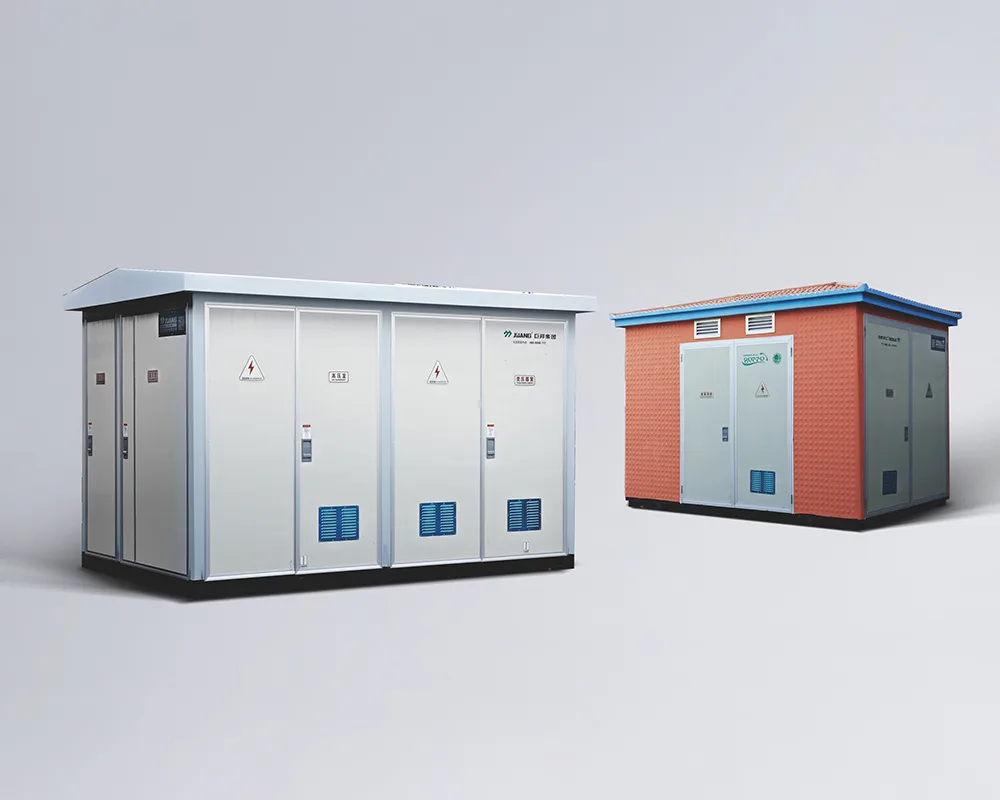
JUBANG’s prefabricated substation range is a starting point for an equipment enquiry when the project team can state its approved technical and document scope. It does not demonstrate a finished test, shipment, certificate, or export approval.
Share the document register, drawing-review path, required test records, delivery conditions, and receiving requirements through the JUBANG contact channel. The project owner should confirm the acceptance path before any release decision.
FAQs
What is an export document handover?
It is a controlled sequence that records who prepares, reviews, approves, issues, and receives the project documents associated with the equipment from design review through site receipt.
Is a test plan the same as a FAT record?
No. A test plan defines the proposed review basis, while a FAT record is evidence created after the relevant testing and required project steps have occurred.
Who approves project drawings?
The project document-control plan must name the authorized reviewers and release conditions. A general article cannot approve drawings for an active project.
Why separate shipping from site receiving records?
Shipping records support dispatch and traceability, while receiving records support inspection and handover at the destination. They answer different project questions.
What should a document RFQ include?
Include the approved technical scope, drawing register, reviewer and revision rules, test and witness requirements, required records, shipping expectations, and site receiving requirements.
Can JUBANG promise export acceptance from a web enquiry?
No. An enquiry can begin an equipment and document discussion, while export acceptance depends on the signed contract, applicable requirements, project evidence, and responsible approvals.
Products are exported to more than 100 countries and regions such as Africa, the Middle East, and the United Kingdom and Europe. It is a leading manufacturer of power distribution equipment in China.

 JUBANG