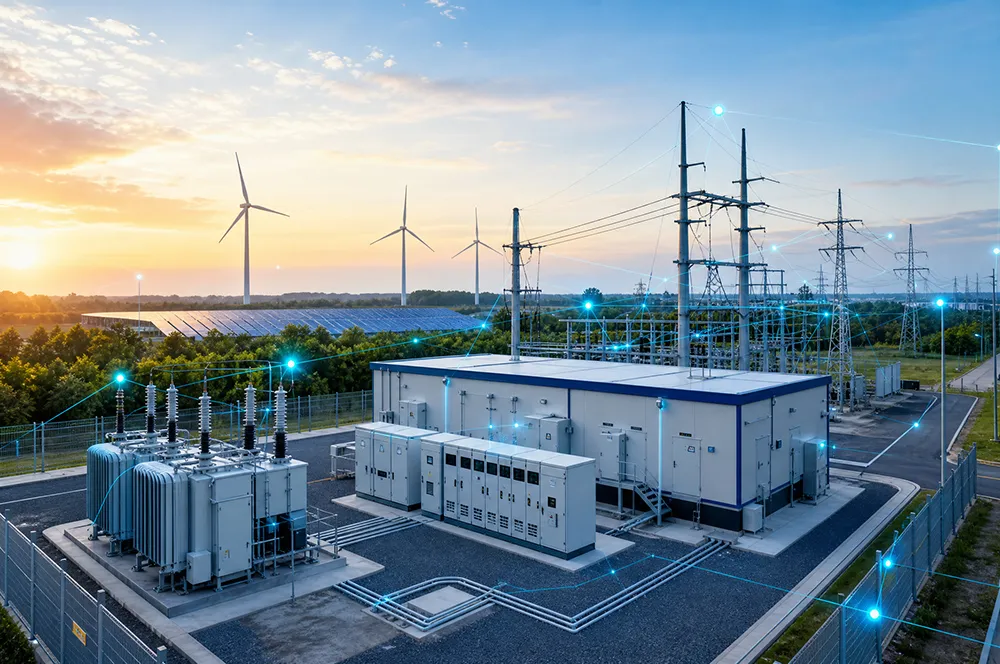
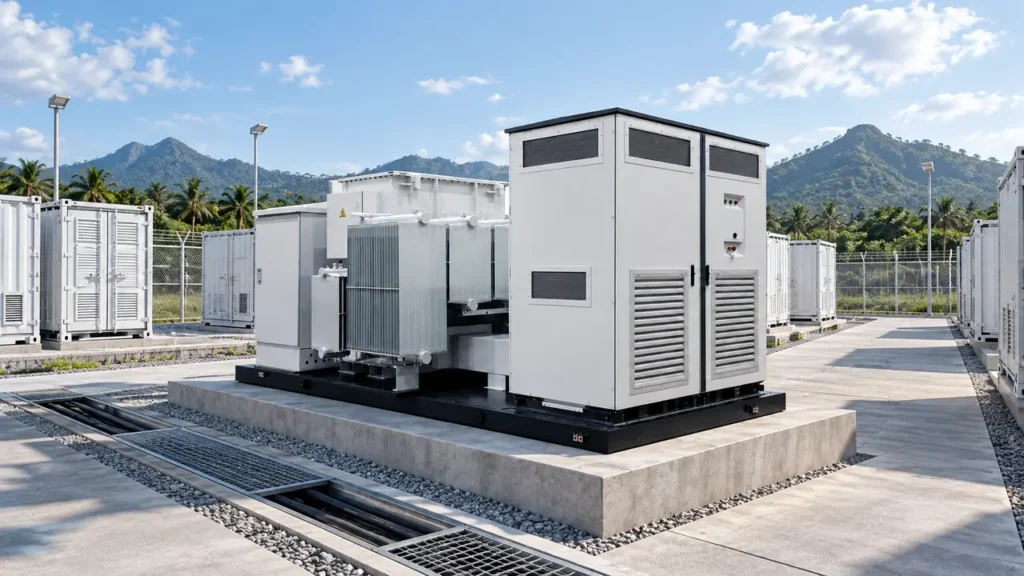
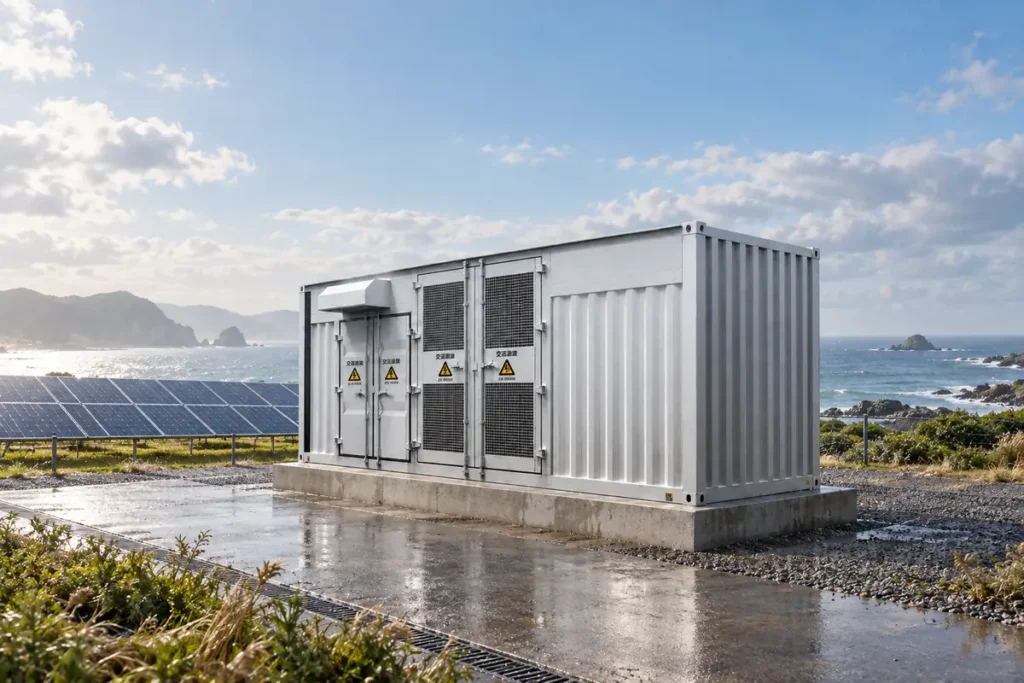
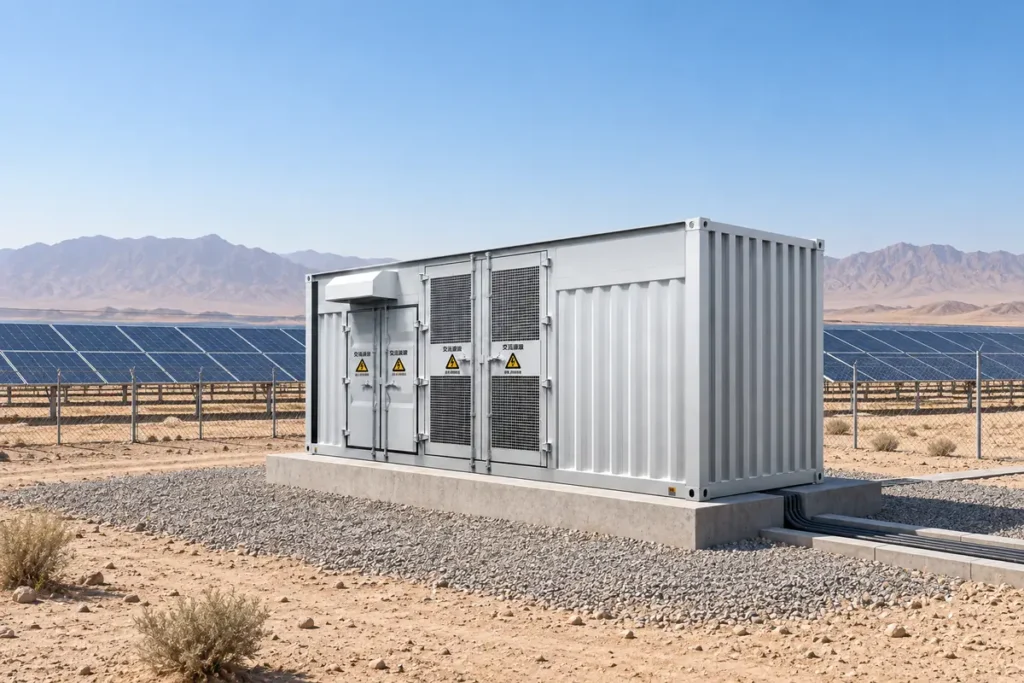
The Recloser Substation is a vital component of the electrical distribution system by providing reliability and safety for the system. Understanding how this class of substation functions and the purposes for which they are used is essential for electrical engineers and utility managers alike. In the following pages, we will review the recloser substation’s purpose, its various characteristics, and the types of reclosers available.
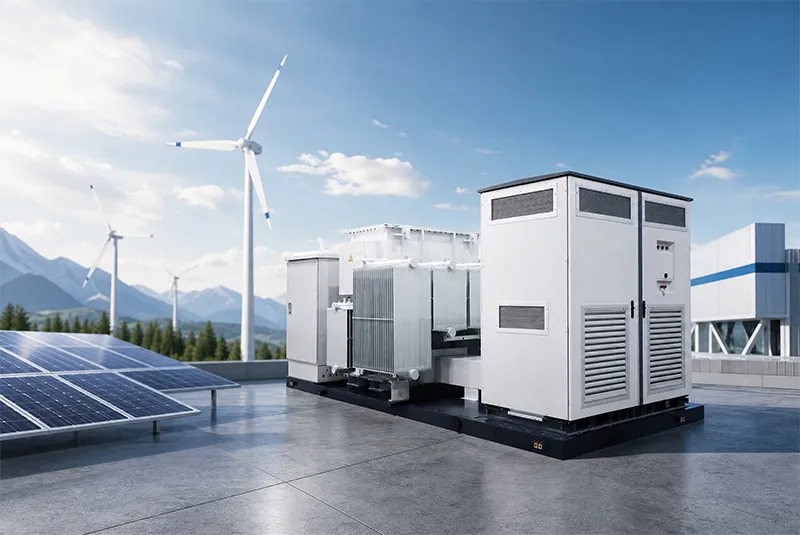
What is a Recloser in a Substation?
An automatic device used to disconnect electric circuits due to damage caused by an electrical fault on a distribution line is called a recloser. The cause of faults can be anything from weather-related events to failure of the equipment to unforeseen events. Once a fault occurs, the recloser will automatically open the faulted section of the circuit. After a period of time, the recloser will attempt to re-energize the line to determine whether or not the fault has cleared. If the fault has cleared, the recloser will allow the circuit to continue to operate; if the fault has not cleared, the recloser will remain open until manual intervention is possible.
The Purpose of the Recloser Substation
A recloser substation increases power distribution reliability through automatic fault management, which helps maintain service continuity and shortens the time period needed to restore power after a fault. This feature is especially helpful in locations that experience outages due to environmental factors, and high-density load areas. The recloser can also contribute to improving safety by eliminating or reducing potential hazards related to electrical systems, including fires or equipment damage.
Features of Recloser Substations
Recloser substations exhibit several key features that contribute to their effectiveness:
The operation is automatic and can be done without human intervention, detecting problems and restoring service will happen quickly when using this type of system.
Remote Monitoring – Most contemporary reclosers have been designed with integrated communication technology for use with Remote Management and real-time Monitoring.
Distributive System Characteristics: As it pertains to your exact needs within the Distributive System you can select from many different programmable settings based on your system’s unique characteristics and features.
Types of Recloser Substations
There are several types of recloser substations, each suited for different applications:
Hydraulic Reclosers: These devices are used in regions that require a high level of reliability and can withstand very difficult weather.
Ideal Uses for Electronic Reclosers: Applications that will benefit from advanced electrical parameter monitoring and analysis.
Vacuum Reclosers: Known for their quick response times and effectiveness in urban settings.
The Practicality of Recloser Substations
The importance of a recloser substation cannot be ignored. Such substations support reliable power delivery and create an economic benefit by shortening outage time and frequency. This increases customer satisfaction and operational efficiencies for electric utilities. In addition, as demand for nonstop electricity increases, reclosers are becoming critical components of electric grids.
FAQ
What is the purpose of the recloser substation?
The purpose of this Recloser Substation is to provide for more efficient and reliable electric distribution through the automatic management of power disruptions (faults) and reduce power distribution outages when improperly handled.
What is a recloser in a substation?
A recloser is an automatically-operated device that interrupts power to a customer’s service under fault conditions and will attempt to restore the customer’s service after a predetermined time.
What types of recloser substations are there?
Recloser substations include three types of recloser: hydraulic, electronic, and vacuum, depending on their intended operational purpose and location.
In regards to recloser substations; knowing about them will not only enable you to understand how they work, but also allow you to appreciate why they are important for creating more reliable energy sources. Investing money in these technologies will lead to greater operational results and happier customers.

 JUBANG