JUBANG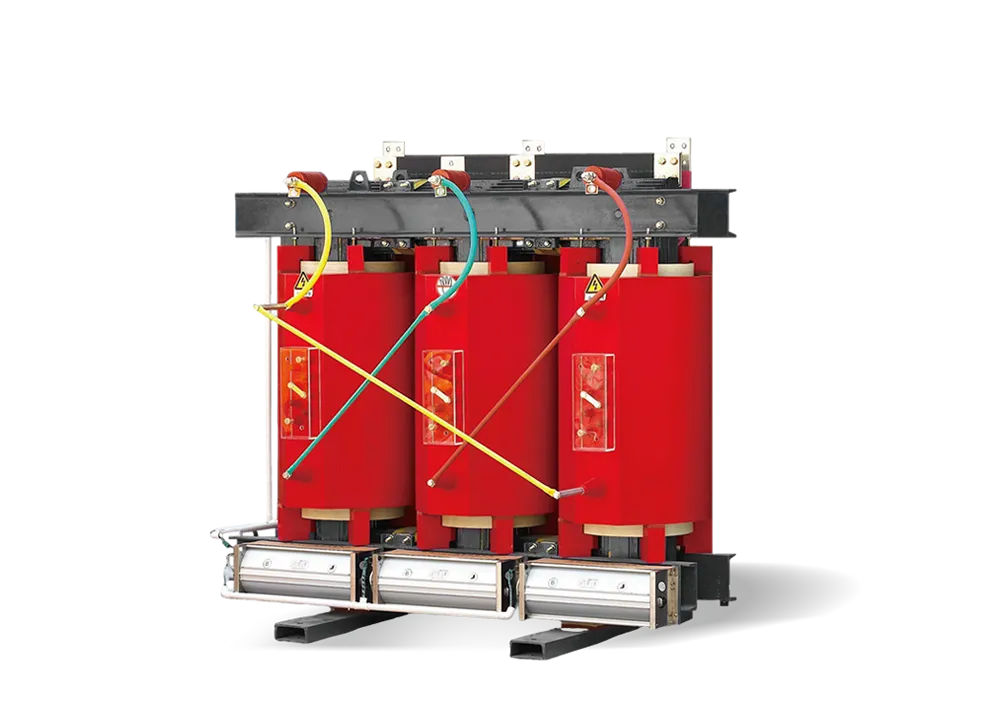
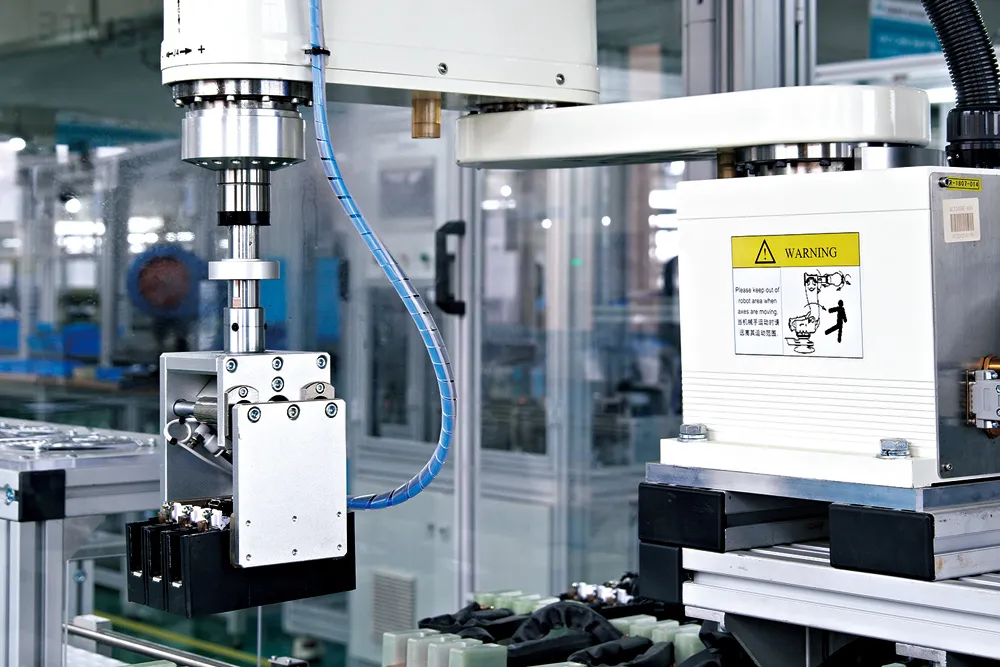
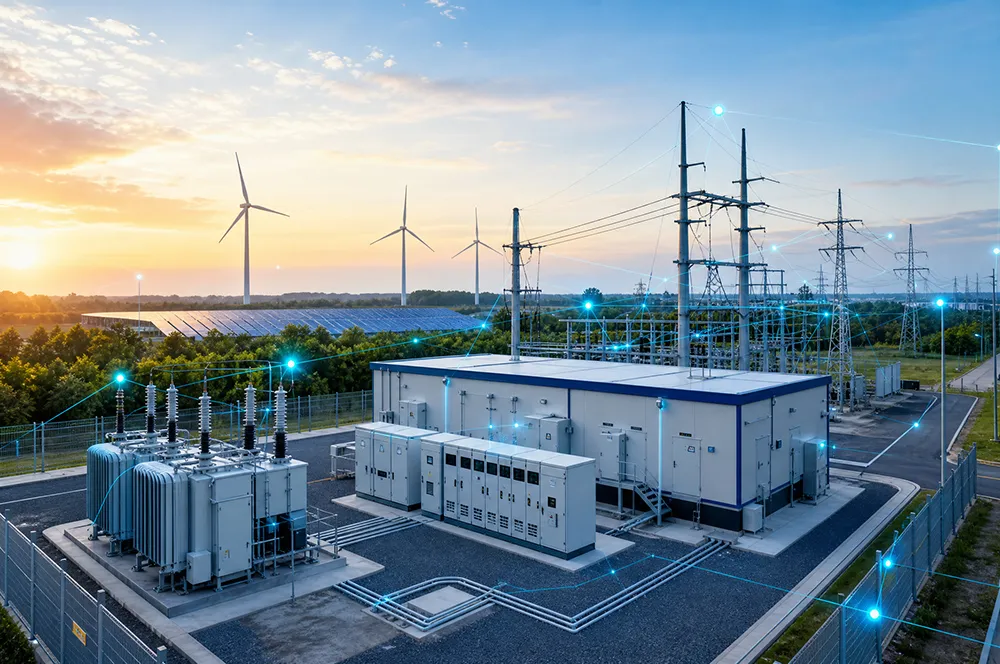

When a procurement manager in Dubai released a fast-track warehouse substation schedule, the EPC team selected a nominally equivalent dry-type unit and energized it during a compressed commissioning window. Room-temperature alarms tripped on the first load run; the problem was not a bad product but unreconciled taps, temperature rise, enclosure and loss data.
Summary: SCB10 and SCB14 are cast-resin dry-type designations; compare nameplate rating, losses, insulation, impedance, taps, enclosure and test documents—not the label alone. IEC 60076-11 governs dry-type requirements and tests, while IEC 60076-1 sets general rules. Release a load-and-environment data sheet before bid evaluation: a 1 kW loss difference operating continuously equals 8,760 kWh a year.
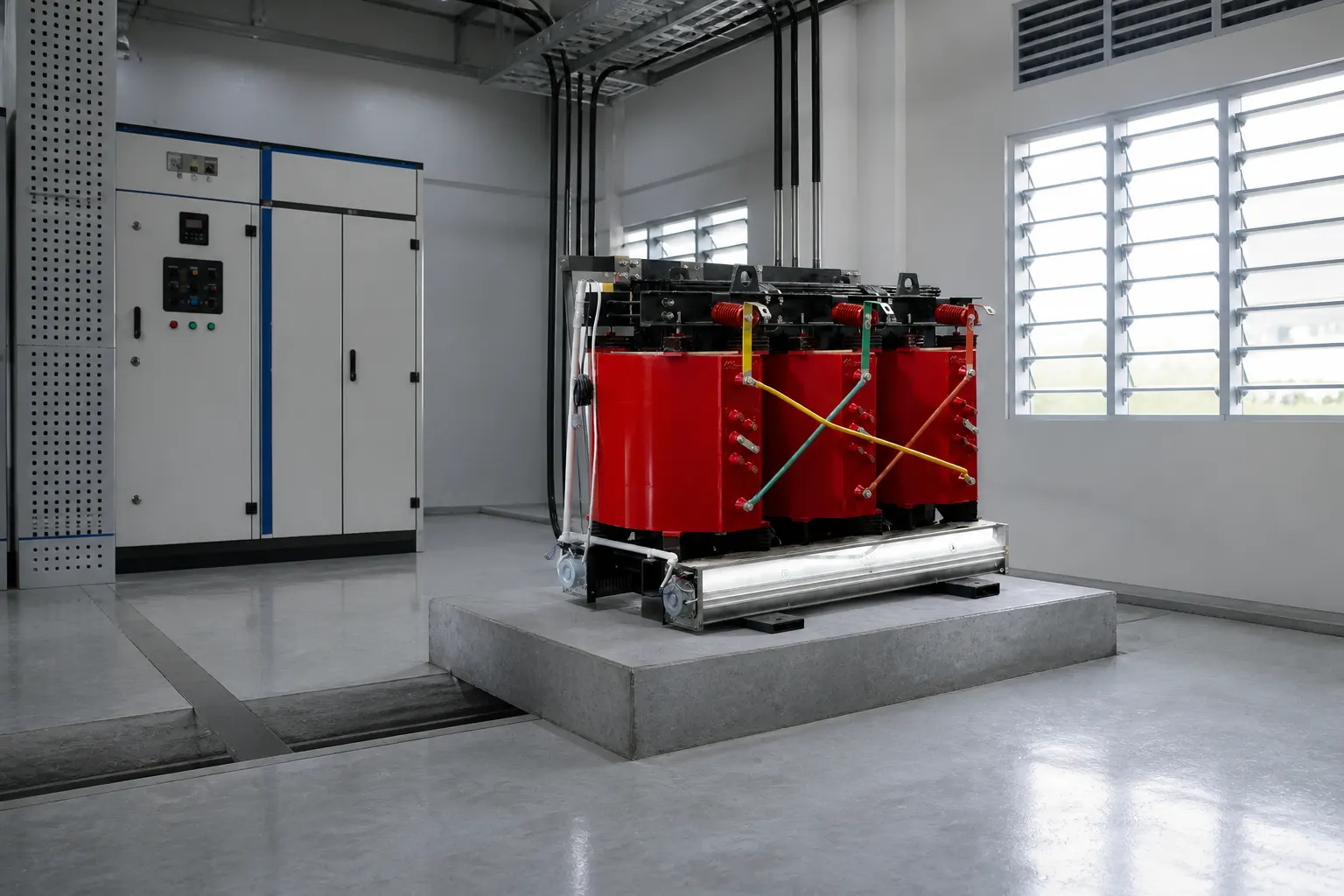
At 6 kV and 10 kV distribution level, resin-cast dry types often suit indoor sites where oil containment is undesirable. A SCB10 10kV epoxy resin dry type transformer and a SCB14 6kV resin cast dry type transformer are configured assets, not interchangeable catalog names. In a cast-resin insulation system, resin encapsulates windings, while thermal behavior still depends on coil geometry, ventilation, loading and declared temperature rise.
1. Start with the electrical duty, not the series name
IEC 60076-1 frames rated power, voltage, cooling and impedance as core characteristics. For a 10 kV/0.4 kV, 1,000 kVA project, low-voltage full-load current is about 1,443 A (1,000,000 ÷ √3 ÷ 400); it affects busbars, breakers and fault duties. A 6 kV/0.4 kV installation has a different HV interface even at the same kVA.
State vector group, tap range, impedance, frequency, altitude and ambient. IEC 60076-3 addresses insulation levels and dielectric tests, including induced-voltage and separate-source withstand tests; these verify specified stresses, not universal grid suitability. The correct SCB10 10kV epoxy resin dry type transformer must match the protection study, while the SCB14 6kV resin cast dry type transformer must match 6 kV insulation coordination and terminations.
2. Compare losses over operating hours to expose hidden TCO
No-load loss exists whenever the unit is energized; load loss rises roughly with current squared. IEC 60076-1 defines loss terminology, and IEC 60076-1/11 routine-test provisions provide the measurement basis. Request guaranteed values at the stated reference temperature and normalize kVA, impedance and cooling.
Illustrative only: 1.0 kW lower no-load loss for 8,760 annual hours avoids 8,760 kWh. A further 2.0 kW lower load loss at 60% average load avoids about 6,307 kWh (2.0 × 0.60² × 8,760). Tariff, demand charges and loading determine value; this is not a quoted saving. Use an owner-approved loss-capitalization factor, not an invented payback, to compare a SCB10 10kV epoxy resin dry type transformer and a SCB14 6kV resin cast dry type transformer within their respective voltage duties.
3. Temperature rise, ventilation and indoor resilience are linked
IEC 60076-11 addresses dry-type temperature-rise limits and tests. State thermal class, permitted winding rise, maximum and annual-average ambient, altitude and cooling mode. “F” or “H” alone is not acceptance: a higher class does not authorize higher loading without supporting rating and test data.
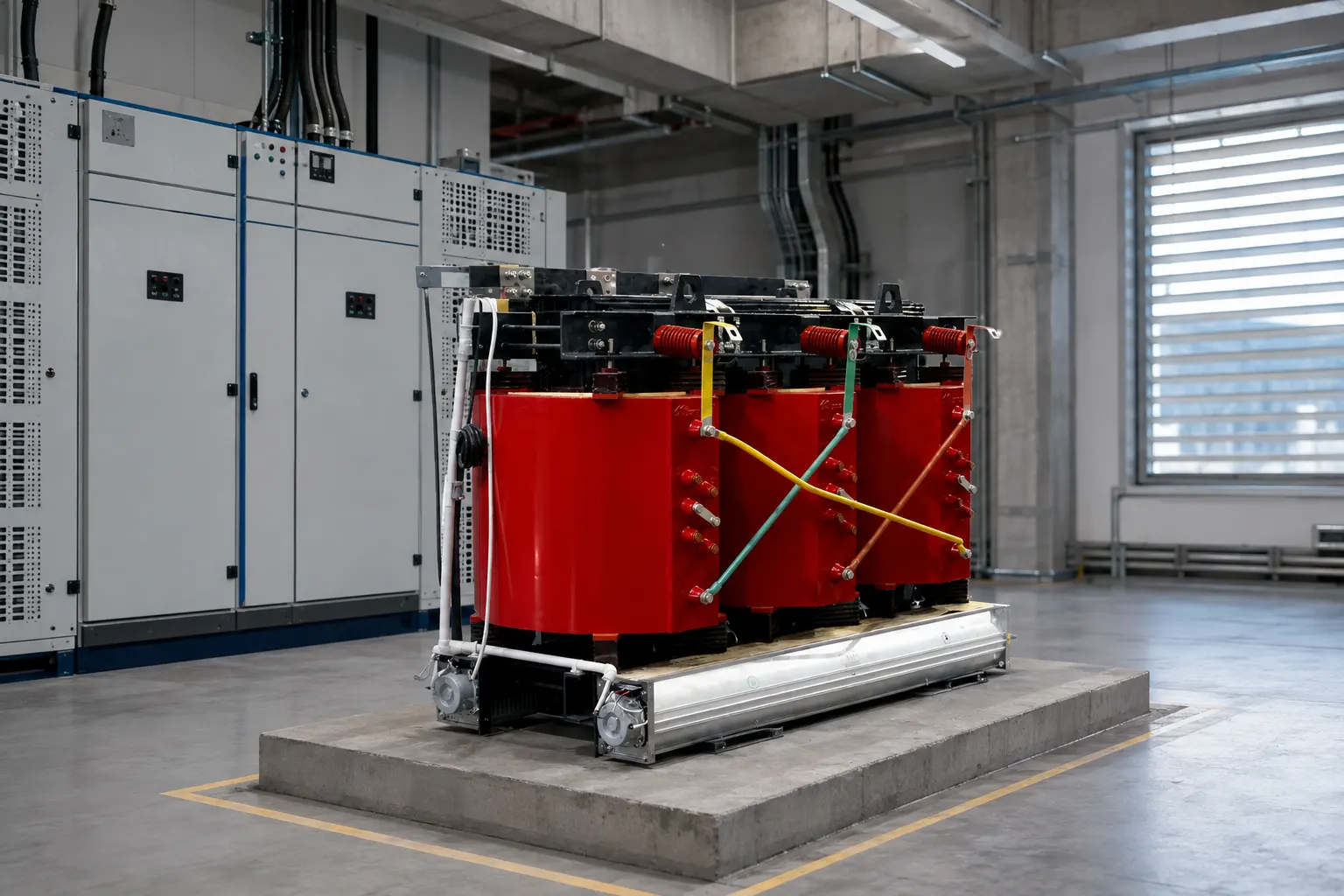
For indoor installation, calculate heat rejection from declared losses and confirm louvres, air path, room temperature and clearances. Dust, salt mist, condensation and harmonics can increase stress. IEC 60076-11 includes climatic, environmental and fire-behavior classifications; specify the required class and test evidence, rather than a generic indoor claim.
4. Mechanical strength and maintenance remain procurement variables
IEC 60076-5 covers short-circuit withstand, making impedance, system fault level and protection-clearing time important inputs. Higher impedance can reduce fault current but increase voltage drop; the electrical designer must evaluate the trade-off. Request routine-test records and define any type or special-test requirement.
Dry-type maintenance is not zero maintenance. Inspect contamination, airflow, connections, noise, discoloration and enclosure condition. Thermography is useful condition monitoring, not a substitute for required dielectric or routine tests; accessible layout and a planned maintenance window protect availability.
SCB10 and SCB14 comparison at bid-evaluation stage
| Evaluation point | SCB10 basis | SCB14 basis | Buyer check |
|---|---|---|---|
| Typical designation use | Often specified for 10 kV resin-cast distribution duty | Often specified for 6 kV resin-cast distribution duty | Confirm the manufacturer’s current design and nameplate. |
| System interface | SCB10 10kV epoxy resin dry type transformer | SCB14 6kV resin cast dry type transformer | Verify HV voltage, taps, vector group and terminations. |
| Energy cost | Compare guaranteed no-load and load losses | Compare guaranteed no-load and load losses | Normalize for kVA, reference temperature and hours energized. |
| Thermal fit | Temperature rise and ventilation must be declared | Temperature rise and ventilation must be declared | Match ambient, altitude, enclosure and harmonic duty. |
| Maintenance tendency | Cleanliness and connection checks still needed | Cleanliness and connection checks still needed | Plan access, shutdowns and condition monitoring. |
| Unit-cost tendency | Depends on rating, loss target and accessories | Depends on rating, loss target and accessories | Evaluate total installed and energy cost, not a series label. |
Application and performance matrix
| Project situation | Priority performance question | Specification response | Evidence to request |
|---|---|---|---|
| Indoor commercial substation | Can room heat and clearances support continuous duty? | State ambient, IP enclosure, ventilation and fire/environment class. | Loss schedule, GA drawing and IEC 60076-11 routine-test records. |
| Middle East high-ambient site | Will temperature rise remain within declared limits? | Derate or specify the required ambient and altitude conditions. | Manufacturer thermal rating statement and test basis. |
| Industrial harmonic load | Are extra losses and heating addressed? | Provide load spectrum and ask for harmonic-duty assessment. | Design calculation or supplier engineering clarification. |
| Fast-track EPC package | Will interfaces arrive coordinated? | Freeze voltage, impedance, taps, terminals and accessories before release. | Approved data sheet, outline drawing and terminal layout. |
| Critical facility renewal | What limits outage and lifecycle risk? | Specify inspection access and accepted test/document pack. | Routine-test certificate, O&M manual and commissioning checklist. |
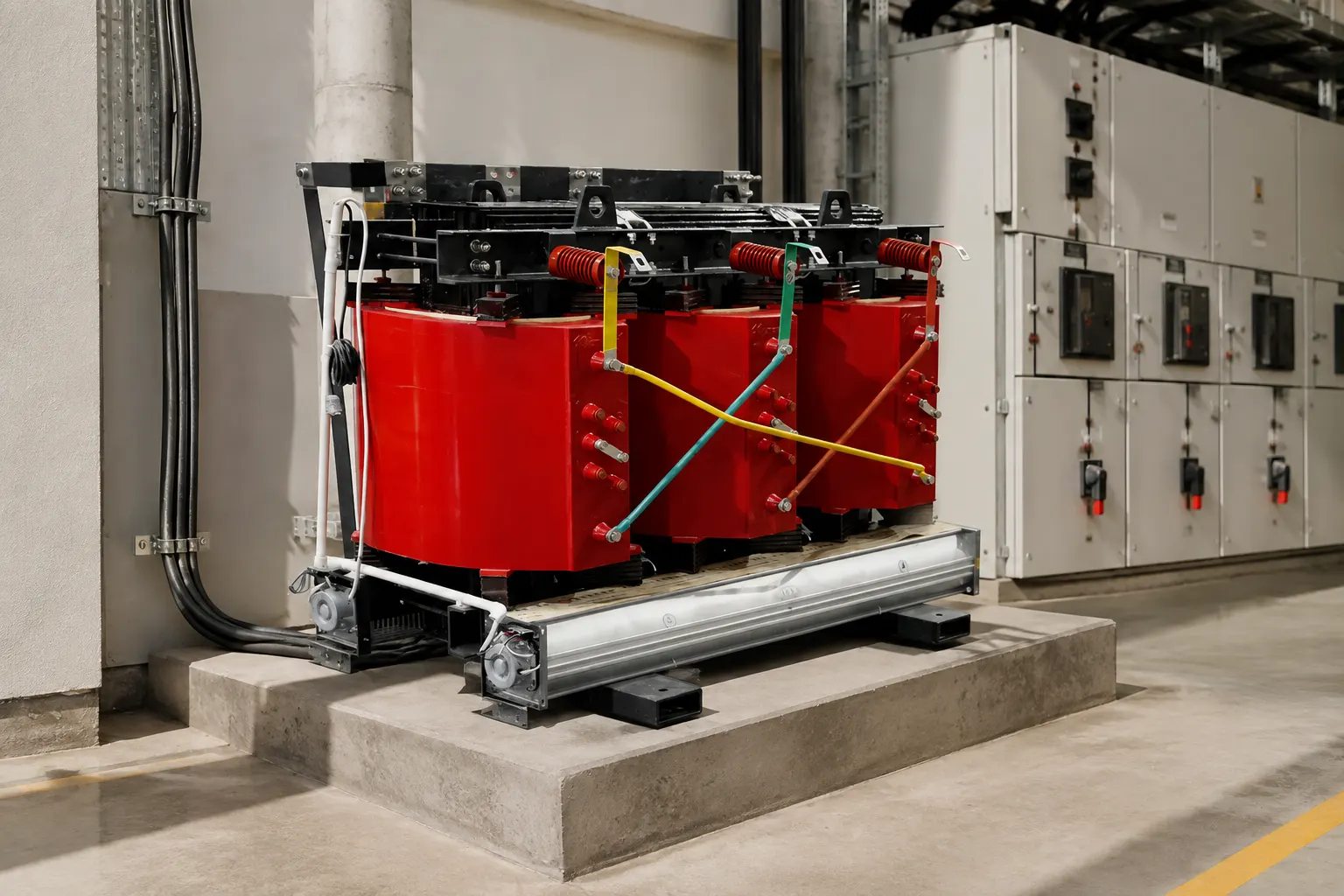
Standards and destination-market compliance
IEC 60076-11 is the primary dry-type standard; IEC 60076-1 covers general requirements, IEC 60076-3 insulation levels and dielectric tests, and IEC 60076-5 short-circuit withstand. They define requirements and methods within scope, not certification for every country or utility list.
Specify edition, test categories, document language, witness requirements and destination-market rules. CE, CB, KEMA or local approvals cannot be assumed from a series label; verify applicability and exact product-document scope. Buyers can review stated qualification and certification information against the offered configuration and contract.
How to select the right resin-cast dry type transformer
- Lock the grid interface: rated power, HV/LV voltage, frequency, vector group, impedance, taps and neutral arrangement.
- Model actual duty: base load, overload profile, harmonics, room ambient, altitude and expected operating hours.
- Evaluate losses with owner-approved capitalization, including cooling and room-ventilation implications where relevant.
- Specify IEC test and document requirements before bid comparison, with drawings that resolve cable, busbar and protection interfaces.
- Plan installation and access: foundation loading, fire strategy, ventilation, enclosure, maintenance clearances and commissioning sequence.
For an alternative voltage class, compare the system architecture with a 35 kV resin-insulated dry type transformer rather than stretching a 6 kV or 10 kV schedule. Jubang Group can support configurable T&D equipment, EPC coordination and intelligent O&M documentation; make each offered parameter traceable to the approved data sheet. Where core loss matters, a three-dimensional wound-core transformer may merit a separate comparison.
Frequently asked questions
What is a SCB10?
SCB10 is a designation commonly used for a cast-resin dry-type transformer series in Chinese-market specifications. It does not by itself define every electrical or thermal characteristic; confirm kVA, voltages, losses, impedance, insulation class and test requirements on the manufacturer’s data sheet.
Why would you use a dry type transformer?
A dry-type transformer is often chosen for indoor locations or sites where avoiding insulating oil and associated containment is an important design objective. It still needs adequate ventilation, clearance, inspection access and an environment appropriate to its stated classification.
Which is better, an oil type or dry type transformer?
Neither is universally better. Oil-filled units can suit many outdoor and utility duties, while dry types may simplify some indoor fire and containment considerations; compare losses, footprint, fire strategy, maintenance, climate and local regulations for the specific project.
What is the difference between cast resin and VPI dry type transformers?
Cast-resin windings are encapsulated in resin, whereas VPI designs use vacuum-pressure impregnation of the winding insulation. Their moisture behavior, cooling, weight, repair approach and environmental fit can differ, so confirm the manufacturer’s construction and the required IEC 60076-11 classifications rather than assuming equivalence.
Are dry type transformers suitable for indoor installation?
They can be, provided the room design supports the declared losses, ambient conditions, ventilation, clearances and applicable fire requirements. Review the enclosure rating and installation instructions as well as the building and destination-market rules.
How do you select a dry type transformer rating?
Start with the calculated demand, diversity, load profile and allowable future margin, then validate voltage, impedance, harmonic load, ambient and cooling conditions. A SCB10 10kV epoxy resin dry type transformer or SCB14 6kV resin cast dry type transformer should be selected only after these inputs and the upstream/downstream protection study are aligned.
Authoritative references
- IEC 60076-11: Power transformers—Part 11: Dry-type transformers
- IEC 60076-1: Power transformers—Part 1: General
- IEC 60076-3: Insulation levels, dielectric tests and external clearances in air
- IEC 60076-5: Ability to withstand short circuit
Choose the transformer that makes every electrical, thermal and documentary assumption visible before the purchase order—because commissioning schedules rarely forgive ambiguity. For a project-specific configuration discussion, review Jubang Group’s 6–10 kV SCB resin-insulated dry type transformer range and contact the technical team with approved load, environment and interface data.