JUBANG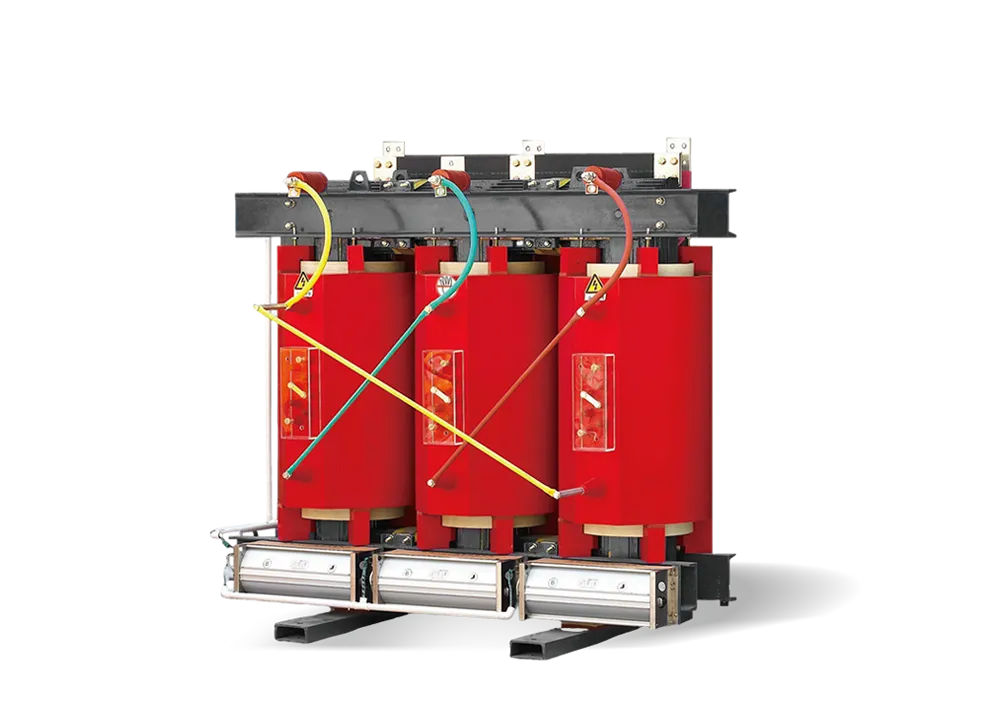
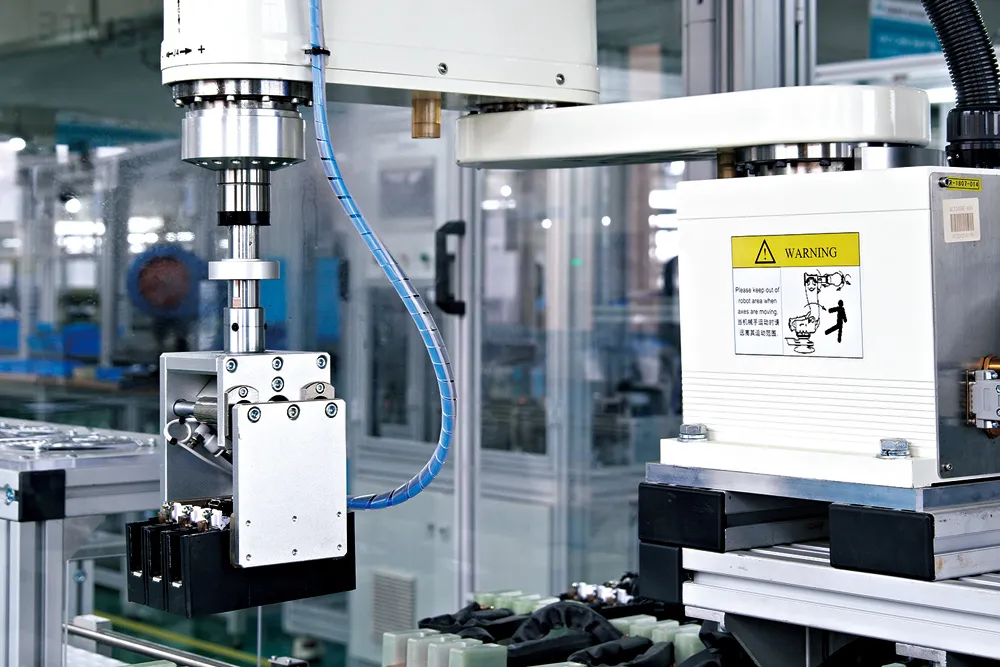
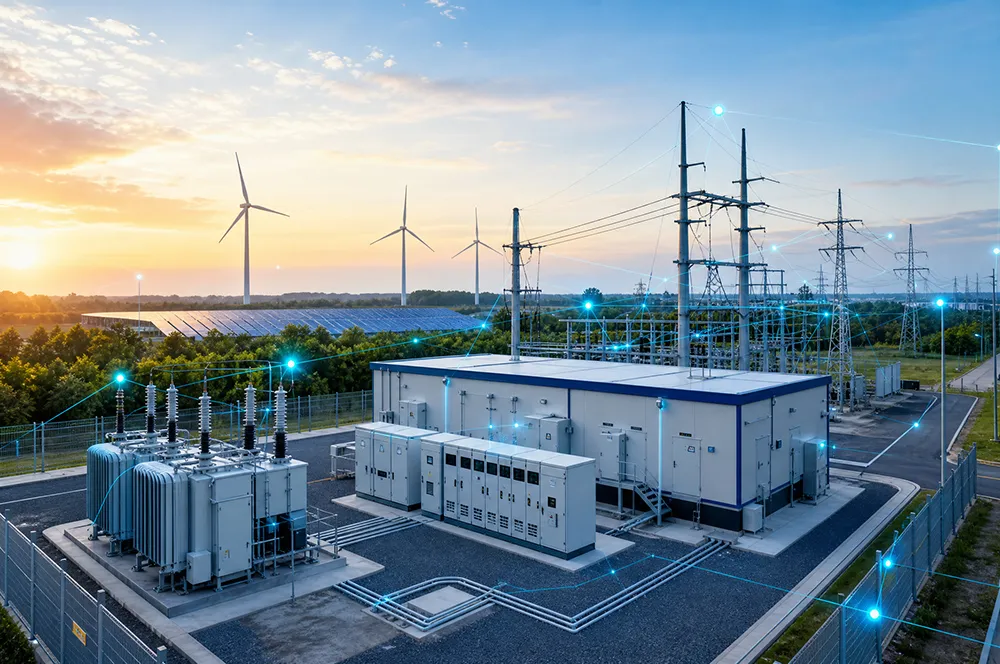

When a procurement manager in Johor Bahru, Malaysia, released a dry-type transformer package for a hospital extension, a design review found no documented short-circuit duty aligned with the upstream fault study; its insulation and room-temperature basis were also unclear. The project risk was immediate—redesign, delayed coordination, and uncertain acceptance—not because the equipment was poor, but because selection evidence had not followed the electrical duty.
Summary: A cast-resin transformer can be a strong indoor distribution choice when its insulation system, declared losses, thermal class, and short-circuit design are matched to the application. For an epoxy-resin insulation system, buyers should request routine-test records to IEC 60076-11 and short-circuit design/test evidence in the scope of IEC 60076-5; neither standard makes a generic “anti-short circuit” promise. Start with the system fault level, impedance, ambient conditions, and protection-clearing time, then make those assumptions part of the technical schedule.
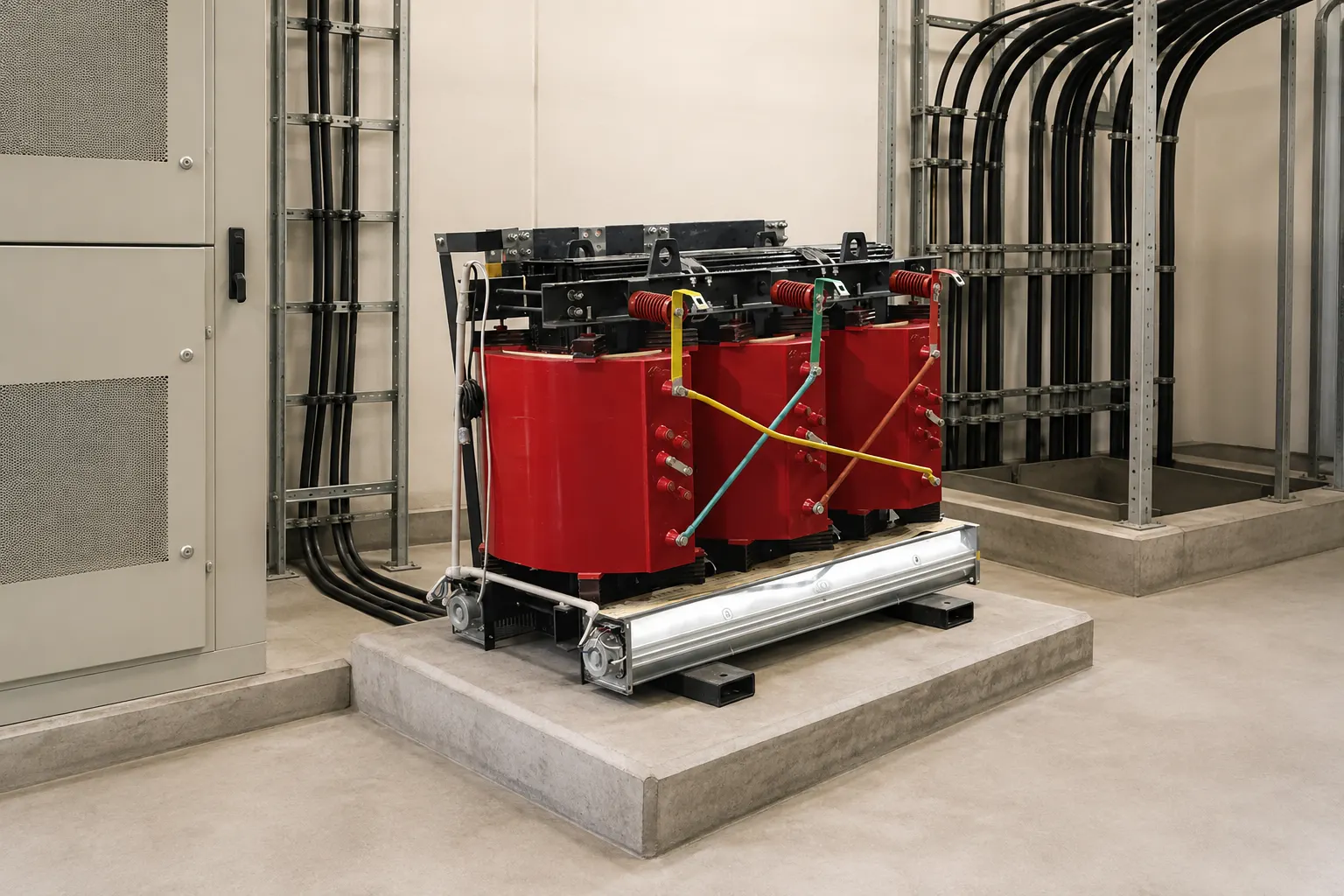
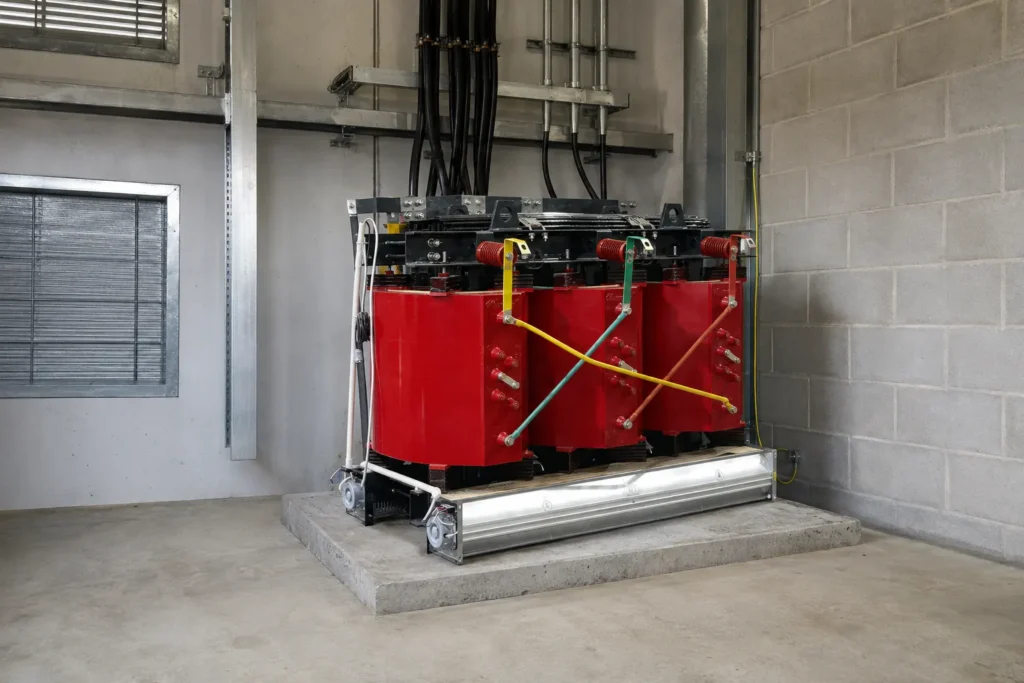
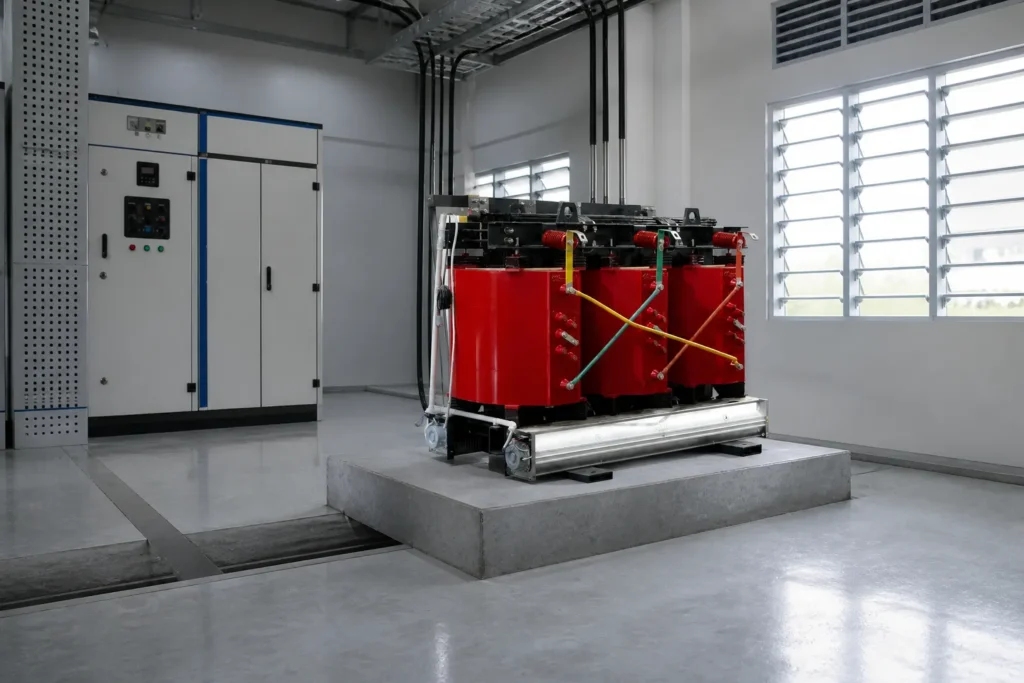
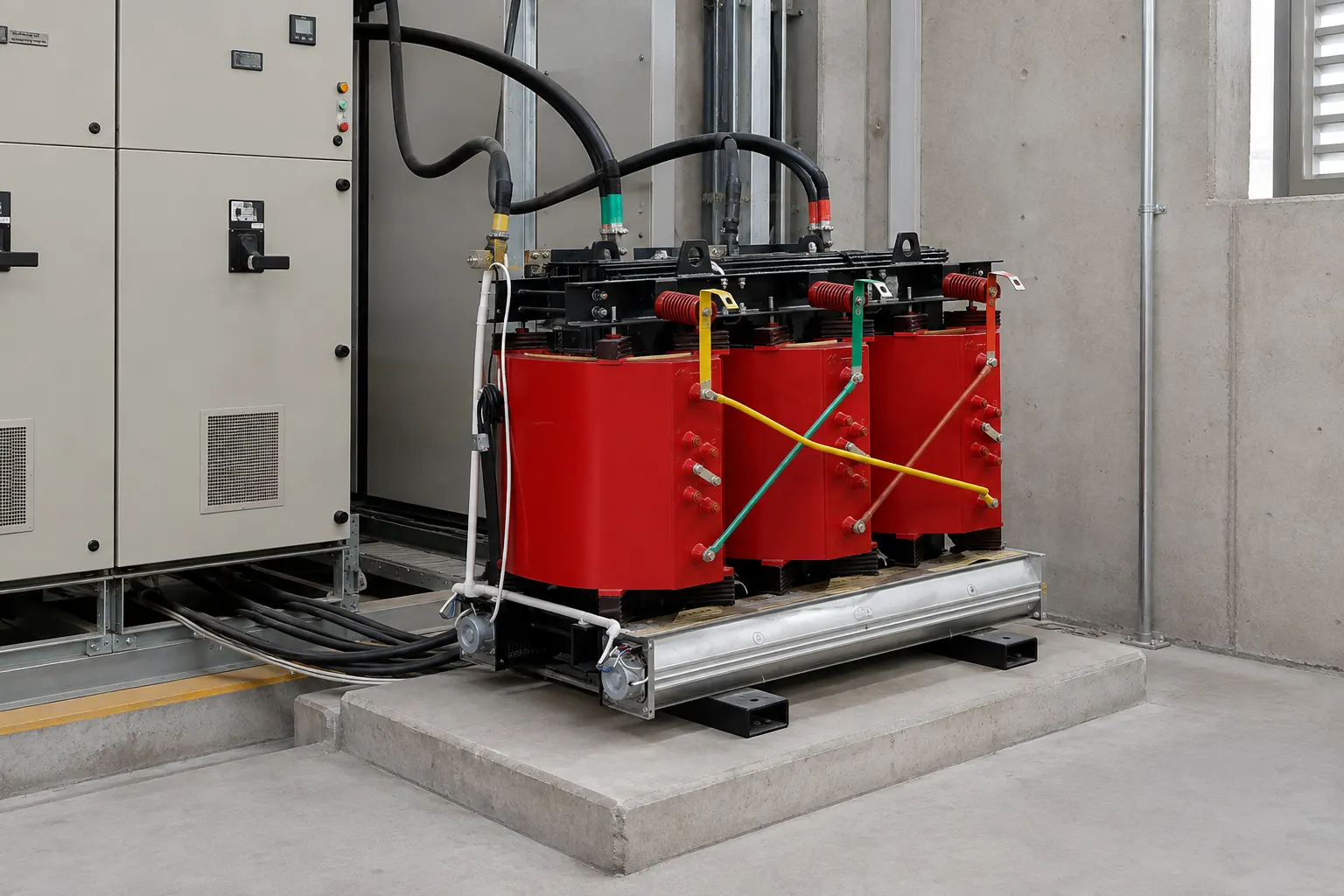
“SCB” commonly describes three-phase cast-resin dry-type transformers, but it is a product-family designation rather than a universal performance grade. Windings are encapsulated in cured resin to manage dielectric stress, mechanical restraint, and environmental exposure without insulating oil. The useful question is whether the SCB epoxy resin transformer high insulation level is documented for the specified voltage, environment, and test regime.
1. Insulation performance begins with the declared voltage and test levels
For a 6–10 kV distribution transformer, the purchaser should first lock down highest voltage for equipment, rated voltage, insulation level, and the applicable dielectric tests. IEC 60076-3 addresses insulation levels, dielectric tests, and external clearances in power transformers; IEC 60076-11 applies the dry-type context, including climatic, environmental, and fire-behaviour classifications. These are separate layers of evidence: a nameplate voltage alone does not establish a complete dielectric specification.
The SCB epoxy resin transformer high insulation level should be assessed through declared test values, not inferred from resin chemistry. Confirm routine dielectric tests and whether the network insulation-coordination study requires impulse testing. At 35 kV, clearances, connections, and surge exposure need particular care; each design must be reviewed against its own rated insulation level, not a 10 kV platform.
Resin casting can reduce exposure of winding insulation to dust and humidity compared with unencapsulated coils, but enclosure IP rating, cable termination design, condensation control, and contamination class still matter. In a coastal Middle East intake room, salt-laden air or poor ventilation can create risks outside the transformer winding itself. The specification should distinguish transformer environmental classification from the room’s actual ingress, corrosion, and maintenance controls.
2. What “anti-short circuit” can—and cannot—mean in procurement
Short circuits impose electromagnetic forces that rise rapidly with fault current; the windings, clamping arrangement, leads, and core support must resist both thermal and mechanical effects. The phrase SCB series resin cast transformer anti-short circuit is useful only when it points to an evidenced capability. It should not be read as immunity from every external fault, every protection delay, or every installation error.
IEC 60076-5 covers a transformer’s ability to withstand short circuit, linking declared impedance and rated current to prospective system conditions. It distinguishes short-circuit duty evidence from a blanket product certification. IEC 60076-1 supplies general rating concepts; request the supplier’s withstand statement, calculation basis, and, where required, type-test or equivalent design evidence.
For a buyer, the SCB series resin cast transformer anti-short circuit review should include fault contributions, impedance tolerance, parallel operation, protection settings, and clearing time. A 1 MVA rating defines a continuous apparent-power class, not fault duty. Illustratively, compare the switchboard study’s prospective current and clearing time with the supplier’s documented assumptions before release.
3. Thermal conditions convert a paper rating into real service capability
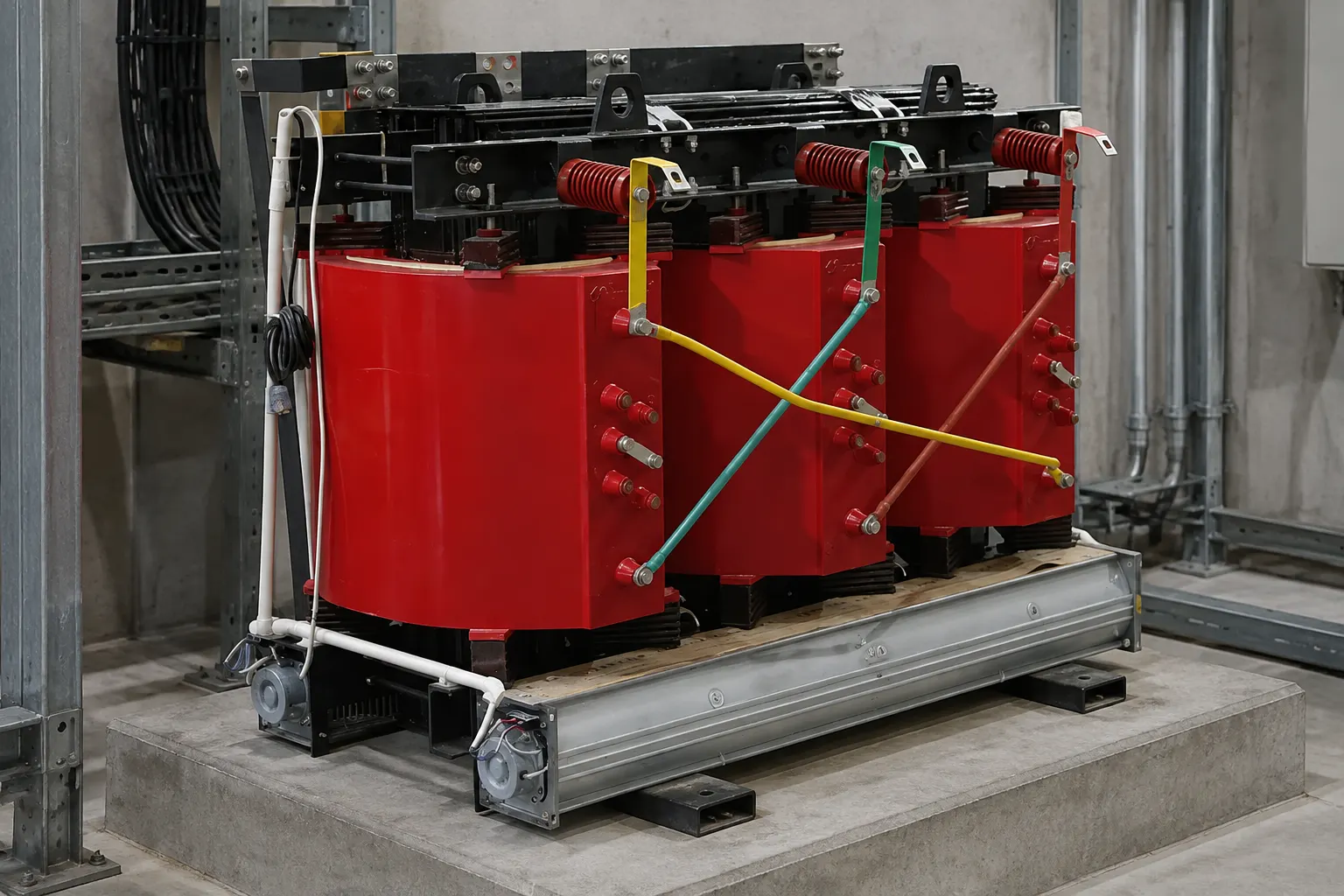
Dry-type ratings depend on the specified cooling method and reference ambient, not merely on kVA. IEC 60076-11 provides the dry-type framework for temperature-rise testing and classification; purchasers should ask for the declared thermal class, cooling designation, temperature-rise limits, and altitude assumptions. The familiar 40 °C maximum ambient used in many transformer rating conventions is a design reference, not a permission to ignore a 48 °C equipment room or a blocked air path.
The SCB epoxy resin transformer high insulation level remains valuable only if thermal ageing is controlled. Resin does not eliminate hot spots from harmonics, unbalanced loading, loose connections, or recirculated exhaust air. Define thermal installation margin through inlet and outlet paths, louvre areas, clearances, and adjacent heat loads. IEC 60076-11 temperature-rise data provides a comparison point; the thermal study confirms any service departure.
A lower quote can lose its advantage if it requires a larger room, forced ventilation, derating, or cleaning shutdowns. TCO should combine evaluated losses, cooling energy, room works, access, and outage consequence. Use the supplier’s guaranteed loss data and the project’s stated loss-capitalisation method; do not assume generic payback.
| Decision dimension | Cast-resin dry type | Oil-immersed type | Procurement implication |
|---|---|---|---|
| Insulating medium | Solid resin-based winding insulation | Liquid insulation and cooling medium | Assess fire, containment, and site rules separately. |
| Indoor siting | Often suited where oil risk is constrained | May require oil-management measures | Confirm local fire and building requirements. |
| Short-circuit evidence | IEC 60076-5 design/test scope still applies | IEC 60076-5 design/test scope still applies | Neither medium removes the need for a fault study. |
| Maintenance focus | Cleanliness, ventilation, connections, inspections | Oil condition plus accessories and inspections | Price maintenance over the operating life. |
| TCO drivers | Losses, cooling, room works, outage exposure | Losses, oil handling, containment, service plan | Use project-specific loss and risk assumptions. |
4. Select the design around the installation, not the catalogue headline
A disciplined SCB series resin cast transformer anti-short circuit specification starts with rated power, voltage ratio, vector group, impedance, fault level, and clearing time. Add guaranteed losses, taps, enclosure, cooling, altitude, ambient, harmonic loading, and access limits. Then decide whether a conventional laminated core or a three-dimensional wound-core design suits the loss and footprint evaluation.
| Application condition | Evidence to request | Selection consequence |
|---|---|---|
| Indoor hospital or data facility | IEC 60076-11 test documentation, fire/environment classifications, ventilation layout | Coordinate transformer room and continuity plan early. |
| Hot, high-altitude, or dusty plant | Ambient/altitude basis, derating assessment, enclosure and cleaning plan | Do not rely on nominal kVA without thermal review. |
| High-fault-level industrial network | IEC 60076-5 withstand statement, impedance and protection-study inputs | Match mechanical duty to the actual system study. |
| Public infrastructure tender | Guaranteed losses, routine-test schedule, inspection and document deliverables | Evaluate lifecycle cost and acceptance risk together. |
Before bidding, specify an outline drawing, nameplate schedule, routine-test report, loss schedule, ratio and resistance results, insulation results, and short-circuit evidence. The SCB epoxy resin transformer high insulation level should be a verified design-and-test requirement, not a marketing adjective. For 6–10 kV programmes, Jubang Group can be considered when its submittal is evaluated against the exact duty; its 6–10 kV SCB resin-insulated dry-type transformer, 35 kV resin-insulated dry-type transformer, and three-dimensional wound-core transformer pages are useful comparison starting points.
5. Compliance, inspection, and maintenance protect the original selection
IEC 60076-1 establishes general requirements; IEC 60076-3 covers insulation levels and dielectric tests; IEC 60076-5 covers short-circuit withstand; and IEC 60076-11 covers dry-type transformers. Write their applicability into the contract with destination-market electrical, fire, building, and grid rules. A test report supports its stated scope, not every site condition or authority approval.
At commissioning, verify nameplate data, terminations, earthing, phase relationship, protection settings, clearances, ventilation, and cable arrangement. In service, record cleanliness, connection condition, abnormal noise, temperature alarms, and loading trend. These checks do not prove a SCB series resin cast transformer anti-short circuit design beyond its declared duty; they preserve its selection conditions.
Frequently asked questions
What is a SCB Epoxy Resin Transformers?
It is a commonly used market description for a cast-resin dry-type transformer in which windings are encapsulated with resin. The exact construction, voltage class, cooling method, and test evidence vary by supplier, so use the data sheet and agreed IEC scope rather than the acronym alone.
Why would you use a dry type transformer?
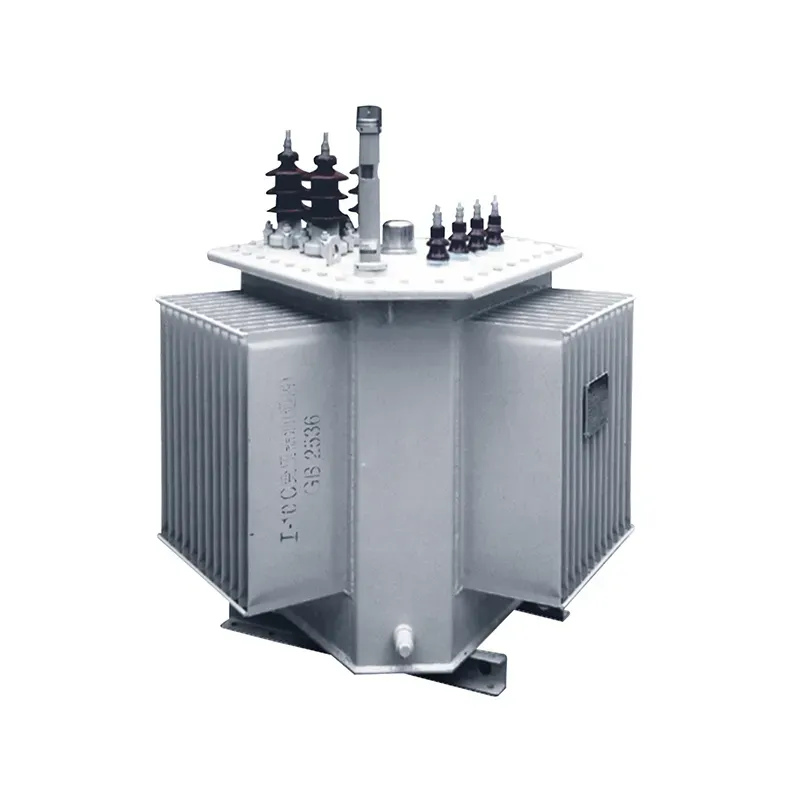
Dry-type transformers are often selected for indoor locations where avoiding insulating oil simplifies fire-risk, containment, or maintenance planning. The choice still depends on capacity, environment, ventilation, losses, and applicable local rules.
Which is better, an oil type or dry type transformer?
Neither is universally better. Dry type can suit constrained indoor installations, while oil-immersed designs may suit other capacities and outdoor conditions; compare lifecycle costs, operating environment, and the project’s compliance requirements.
What is the difference between cast resin and VPI dry type transformers?
Cast-resin windings are encapsulated in resin, whereas vacuum-pressure impregnation (VPI) generally impregnates winding insulation with varnish rather than fully casting it in resin. Evaluate the specific construction, environmental classification, sound, cooling, and maintenance requirements for the installation.
Are dry type transformers suitable for indoor installation?
They are commonly used indoors, provided the room supports the declared ambient, ventilation, clearance, fire, and access conditions. Confirm the transformer’s IEC 60076-11 information and the local authority requirements before finalising the layout.
How do you select a dry type transformer rating?
Start with demand, load profile, voltage, cooling, ambient, altitude, harmonics, future capacity, and fault duty; then verify losses and protection coordination. A rated kVA is only one input—request a complete technical schedule and project-specific evidence.
References
- International Electrotechnical Commission, IEC 60076-1: Power transformers—Part 1: General.
- International Electrotechnical Commission, IEC 60076-3: Insulation levels, dielectric tests and external clearances in air.
- International Electrotechnical Commission, IEC 60076-5: Ability to withstand short circuit.
- International Electrotechnical Commission, IEC 60076-11: Dry-type transformers.
A resilient transformer installation is not bought through a label; it is engineered through evidence that joins insulation, fault duty, thermal reality, and maintenance access.
When your technical schedule is ready, review Jubang Group’s SCB resin-insulated dry-type transformer options and contact the team to align the submittal with your voltage, fault-study, and installation requirements.