From transformers and switchgear to ring main units, substations, circuit breakers and smart components, Jubang provides integrated product support for power distribution projects.
Discover Jubang’s strengths in technology R&D, quality testing and smart manufacturing, supporting reliable electrical equipment and efficient power distribution solutions for global customers.
From technical consultation and OEM/ODM customization to EPC support, smart O&M, delivery documentation and after-sales service, Jubang supports your project at every stage.
Explore Jubang Group’s development history, intelligent manufacturing base, R&D platforms, CNAS-accredited laboratory and global project service capabilities.
Which inputs belong in a recloser protection-curve RFQ
Release Time: 2026-08-07
Recloser protection curves describe time-current behavior for fault clearing and restoration sequences; buyers should attach network data, coordination boundaries, and ownership of final settings before asking suppliers for curve files. Use this page to keep curve files under project ownership instead of catalog defaults.
Part 1. What a recloser protection curve represents
A curve links fault current magnitude to operating time for defined operations. It is a project-controlled file, not a brochure graphic.
Readers searching for recloser protection curves usually need a project checklist, not a catalog slogan.
Part 2. Network data that must exist before curves are discussed
Attach feeder topology extracts, available fault levels, and downstream device identities before requesting settings.
Input
Evidence
Escalate when
Fault study extract
Study revision cited
Missing or outdated
Device schedule
Upstream/downstream tags
Unknown neighbors
Operation sequence
Fast/delayed intent stated
Silent brochure only
Owner of settings
Named authority
Supplier assumed ownership
Part 3. How fast and delayed operations affect coordination review
Fast and delayed shots change how upstream and downstream devices interact. Review them as separate coordination cases.
Important: Never copy recloser protection curves from another feeder. Use the local study and the named protection owner. (Source: IEC 62271-111 / IEEE C37.60 context / project protection study.)
Part 4. Upstream and downstream coordination boundaries
State which devices must coordinate and who owns the study. Silent boundaries create conflicting supplier submissions.
Part 5. Settings and records that must remain project-controlled
Final settings, revision control, and as-left records belong to the protection authority named in governance documents.
Part 6. What suppliers should return with a curve request
Ask for editable or documented curve files, assumptions list, and exclusions when discussing JUBANG pole-mounted routes.
Project signal
JUBANG route
Send with quote
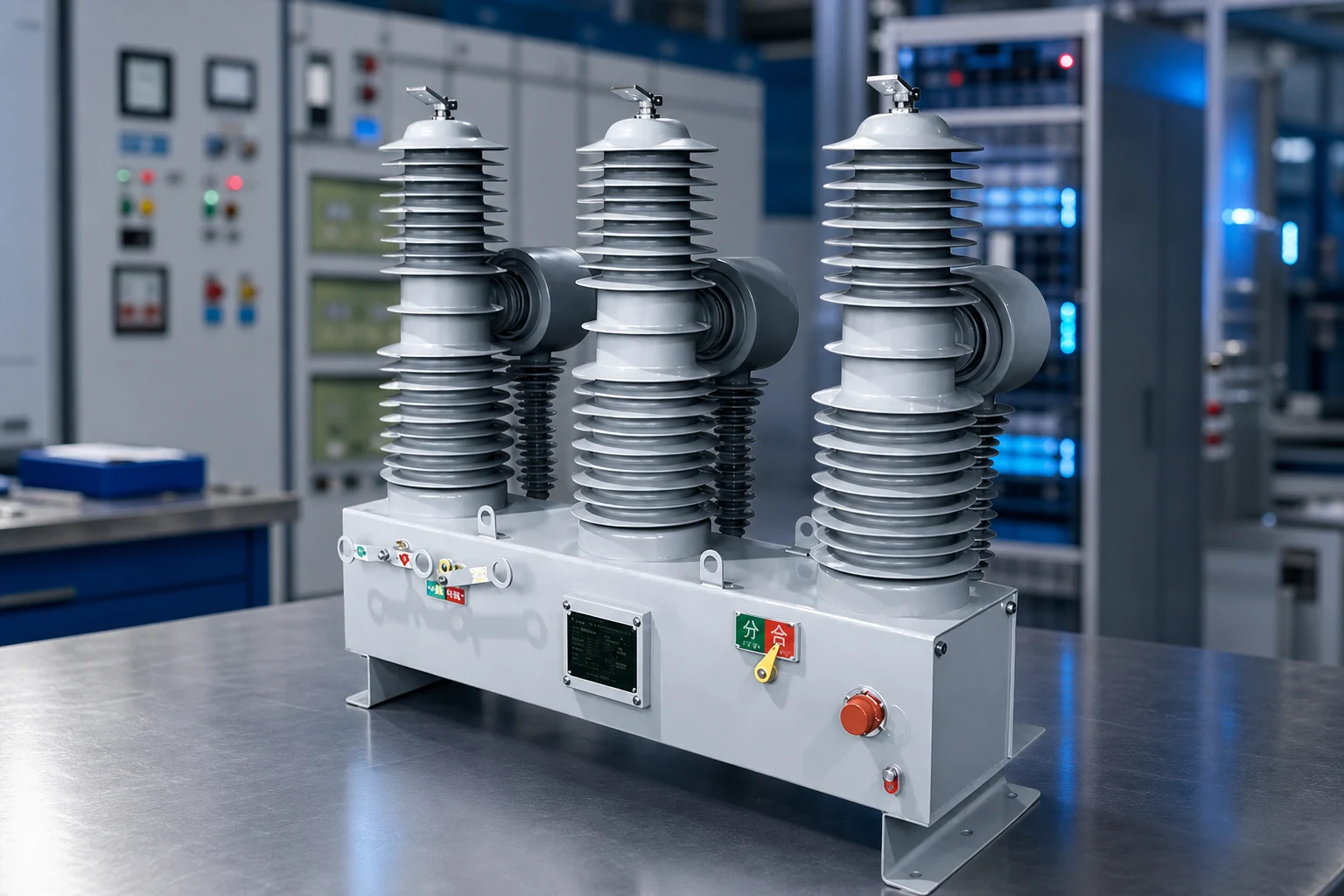
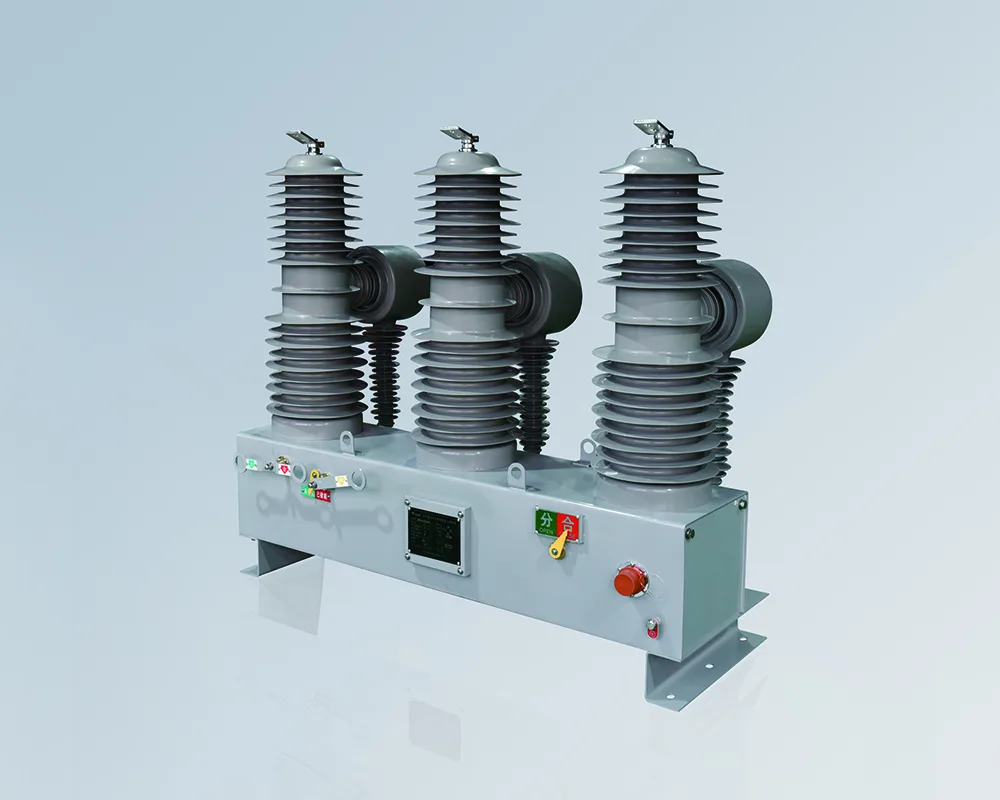
Pole-mounted device with protection-curve package
ZW32-40.5 Outdoor Pole Mounted VCB
Study extract, coordination boundary, document list
Products are exported to more than 100 countries and regions such as Africa, the Middle East, and the United Kingdom and Europe. It is a leading manufacturer of power distribution equipment in China.

 JUBANG