JUBANG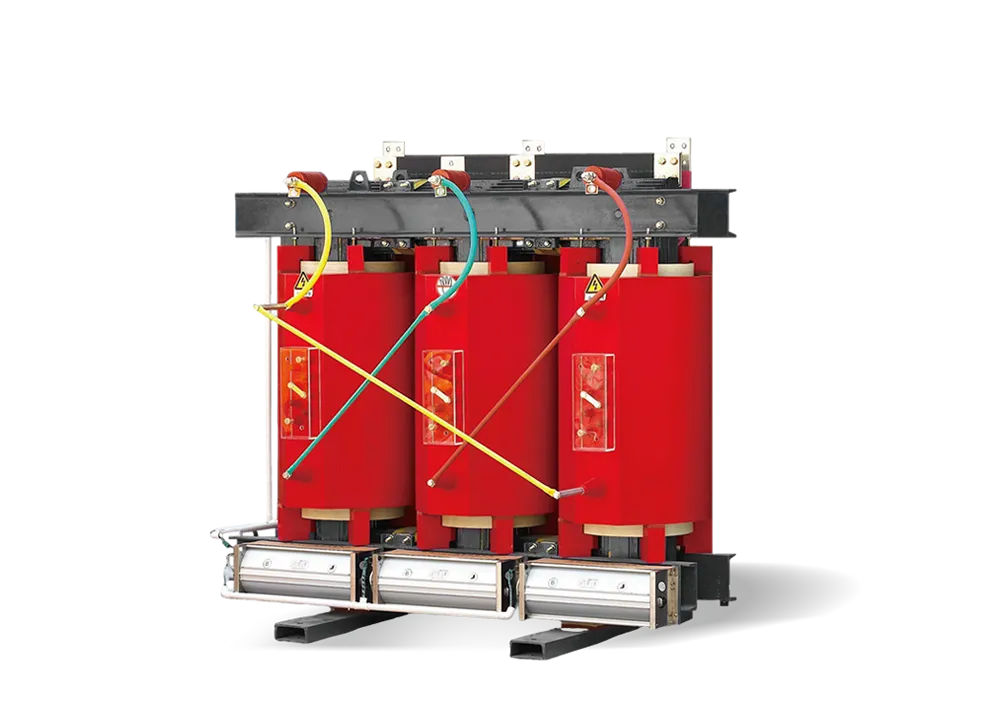

Summary: An energy-saving oil-immersed transformer can lower continuous and load-dependent losses, but outdoor reliability depends on a complete specification: system voltage, insulation coordination, surge arrester placement, grounding, cable or overhead-line exposure, thermal duty, and standard-based testing. IEC 60076 defines the transformer framework, while IEC 60099-4 and IEC 62305 inform the arrester and lightning-protection context. We recommend comparing guaranteed losses and validated protection scope over the asset life, not buying a generic “lightning-proof” claim. The IEA expects global electricity demand to keep expanding, making loss control and dependable distribution assets increasingly important.
What makes an energy-saving oil-immersed transformer different?
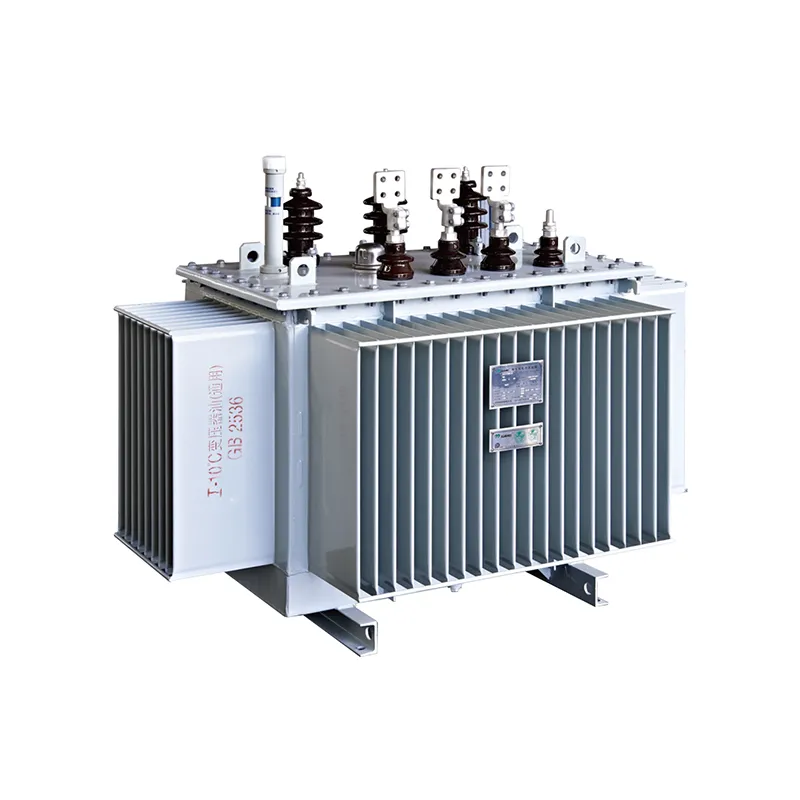
An energy-saving oil-immersed transformer is not defined by a marketing adjective. Its useful performance is demonstrated by guaranteed no-load loss, guaranteed load loss, temperature rise, insulation system, and the operating duty for which those values are offered. No-load loss is present whenever the unit is energized; load loss rises approximately with the square of load current. Both should be evaluated against the actual operating profile rather than compared as isolated catalogue numbers.
For illustration, a 500 W difference in no-load loss consumes about 4.38 MWh in one year when a transformer remains energized for 8,760 hours. The monetary result depends on the owner’s energy price and evaluation model, but the physical point does not change: a small continuous loss difference becomes material over a long service life.
IEC 60076-1 supplies the general language for power-transformer ratings and tests, while IEC 60076-2 covers temperature-rise requirements for liquid-immersed units. A complete request for quotation should state:
- rated power, voltage ratio, highest voltage for equipment, frequency, vector group, neutral arrangement, impedance, and tap range;
- guaranteed no-load and load losses, reference temperature, tolerances, and the contractual remedy for a failed guarantee;
- ambient temperature, altitude, solar exposure, enclosure clearance, pollution, wind, and expected load profile;
- cooling method, terminal arrangement, bushing creepage requirements, accessories, sound limit, and protection interfaces; and
- routine tests, applicable type or special-test evidence, factory witness points, and final document requirements.
The honest answer is that an energy-saving oil-immersed transformer low loss claim cannot be evaluated by initial price alone. The buyer needs the design duty and loss evidence that make lifetime cost comparable.
How does outdoor lightning protection work with an oil-immersed transformer?
Lightning protection is an installation and insulation-coordination task. A transformer is designed with specified insulation levels, while surge arresters, grounding, line configuration, cable length, shielding, and clearances determine how a real surge is limited at the equipment terminals. IEC 60076-3 addresses insulation levels and dielectric tests; IEC 60099-4 covers metal-oxide surge arresters; IEC 62305 provides a broader lightning-protection framework.
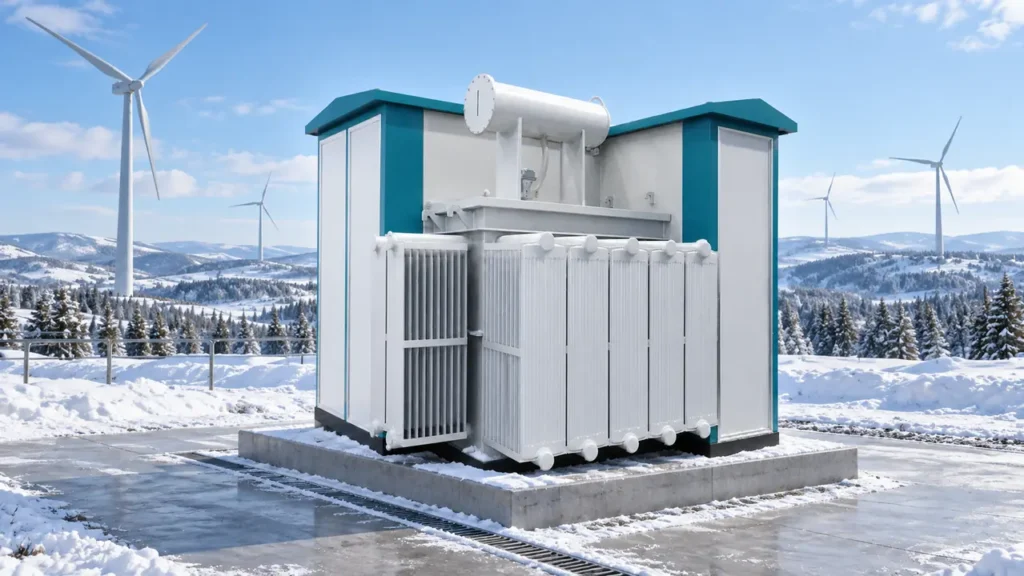
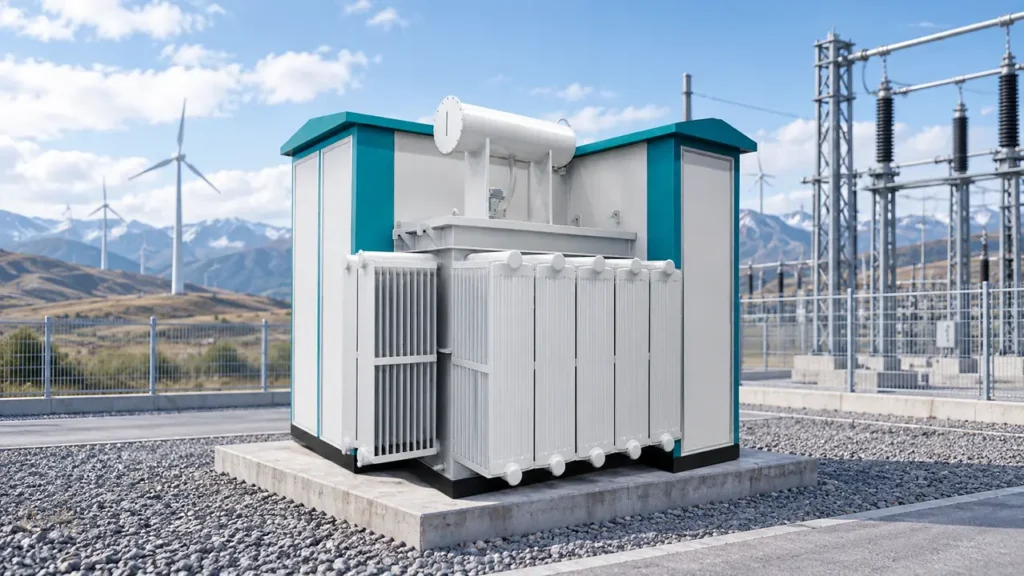
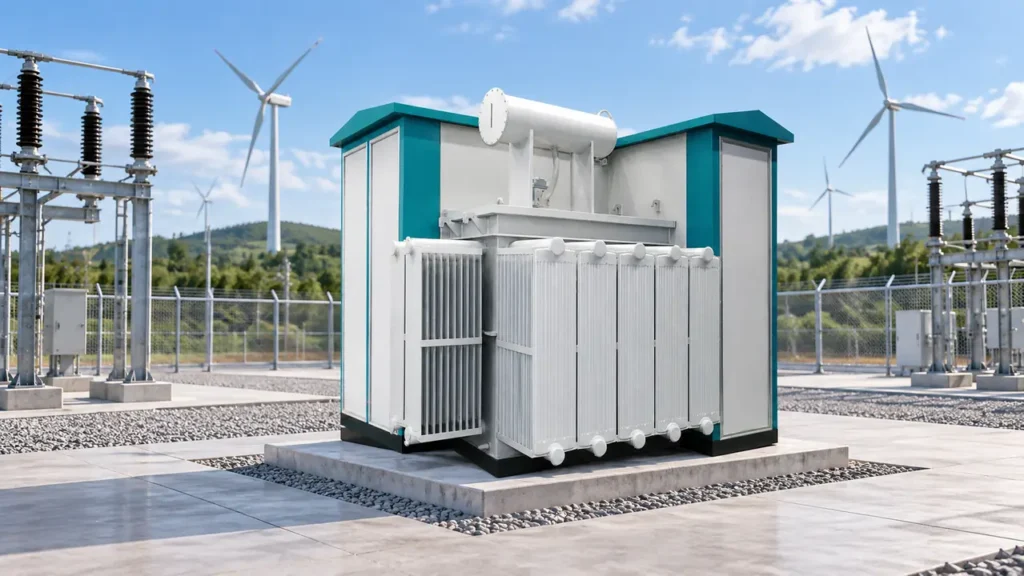
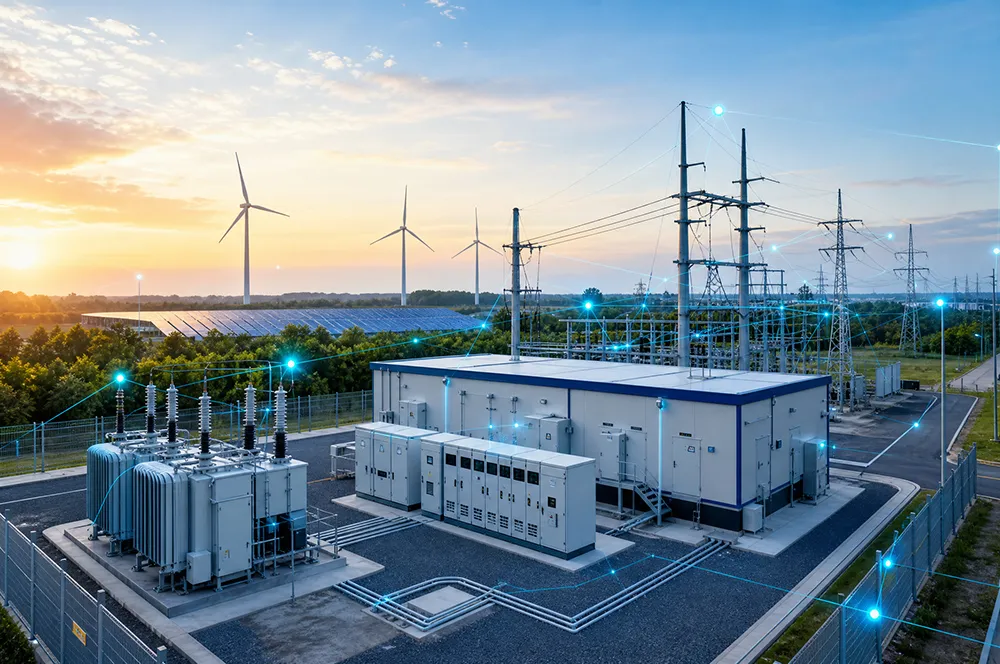
For an outdoor lightning protection oil-immersed transformer for outdoor use, the electrical design team should define the surge path before the purchase order is released. The critical questions are practical:
- What is the system highest voltage, earthing arrangement, and required lightning-impulse withstand level?
- Is the transformer supplied from an overhead line, an underground cable, a mixed route, or a switching source with a known transient profile?
- Where are the surge arresters installed, how short are their connecting leads, and what protective level is required at the transformer terminals?
- How is the transformer tank bonded to the project earth grid, and what earth-resistance and touch-voltage criteria apply to the site?
- Do the HV and LV cable entries, control cables, and auxiliary supply need separate surge-protection measures?
Surge arresters should not be treated as an optional accessory added after delivery. Their location, rating, lead length, earth connection, and coordination with the transformer’s withstand level must be approved in the single-line diagram and general arrangement. A long, poorly routed arrester lead can add inductive voltage during a fast surge, reducing the protection margin that looked adequate on a simple schedule.
We recommend that a qualified electrical engineer owns the final protection study. The transformer manufacturer can provide the offered insulation and terminal information, but the project designer must coordinate the network, arresters, earthing, and site layout.
Which comparison reveals lower lifecycle cost?
Two transformer offers can have the same kVA rating while producing very different lifetime outcomes. One may have lower guaranteed losses but omit a climate review, terminal protection, test scope, or delivery accessories. Another may cost more at purchase but include the loss guarantee, protection interfaces, and records needed for a controlled handover.
| Comparison item | Lowest initial-price approach | Evaluated lifecycle approach | Buyer action |
|---|---|---|---|
| Core and winding losses | Typical numbers or incomplete references | Guaranteed no-load and load losses at stated conditions | Capitalize losses using the owner’s approved energy model. |
| Outdoor thermal duty | Generic outdoor or tropical wording | Ambient, solar, enclosure, and cooling assumptions documented | Require a thermal review for the project load and climate. |
| Surge protection | Arresters named without coordination data | Insulation level, arrester duty, location, leads, and earthing interface aligned | Approve the protection arrangement before manufacturing. |
| Testing | Routine test statement only | Test plan, witness points, records, and applicable type evidence | State exactly which IEC 60076 tests are required. |
| Delivery scope | Factory-gate equipment price | Accessories, packing, freight boundary, site support, and warranty defined | Normalize all bids to the same energization boundary. |
| Service risk | Spare parts and response left open | Manuals, drawings, oil records, spare list, and change-control route included | Score documentation and response commitments before award. |
An energy-saving oil-immersed transformer should therefore be evaluated with a simple but auditable formula: purchase cost + capitalized losses + installation scope + maintenance allowance + unresolved technical risk. The formula does not prescribe a winner; it stops a low headline price from hiding costs that the project will later absorb.
For a broader procurement baseline, see Jubang’s guide on sourcing an oil-immersed distribution transformer, which explains how guaranteed losses, thermal margin, testing, and delivery boundaries should be normalized.
How should outdoor conditions change the specification?
Outdoor design is more than an IP label. High ambient temperature reduces the available thermal margin; direct sun can increase the effective thermal load; dust can obstruct radiator surfaces; salt or industrial pollution can affect external insulation; and seasonal rain can expose weak cable entries or control boxes. Each condition should be converted into a measurable requirement or a documented engineering assumption.
| Site condition | Potential consequence | Specification input |
|---|---|---|
| High ambient and solar gain | Higher top-oil and winding temperatures | Maximum and daily ambient profile, solar exposure, cooling state, loading duration. |
| Dust or sand | Reduced radiator heat transfer and harder maintenance | Radiator access, cleaning method, enclosure design, inspection interval. |
| Coastal or industrial pollution | External insulation contamination and corrosion risk | Creepage distance, bushing selection, coating system, corrosion category. |
| Heavy rain or flooding | Water entry and unsafe access conditions | Foundation elevation, drainage, cable sealing, control-box protection, site civil interface. |
| Overhead-line exposure | Higher lightning-surge exposure | Insulation coordination, arrester arrangement, shielding, earth-grid study. |
IEC 60076-7 gives loading guidance for mineral-oil-immersed transformers. It can support a project-specific review of top-oil and hot-spot temperatures when the actual load and ambient profile are known. A supplier should identify the assumptions and limiting temperatures, rather than rely on an unqualified claim that the unit is suitable for any outdoor climate.
The 6-10kV oil-immersed power transformer product page is a useful starting point for discussing the required voltage class and configuration. The final design, however, should be confirmed against the project’s site conditions, standards, and approved drawings.
Which standards and evidence should a buyer request?
Standards should be written into the purchase specification with their applicable edition and the project’s acceptance criteria. They are evidence routes, not marketing badges.
- IEC 60076-1: general requirements and rating context for power transformers.
- IEC 60076-2: temperature-rise requirements for liquid-immersed transformers.
- IEC 60076-3: insulation levels, dielectric tests, and external clearances in air.
- IEC 60076-5: ability to withstand short circuit.
- IEC 60076-7: loading guidance for mineral-oil-immersed power transformers.
- IEC 60099-4: metal-oxide surge arresters without gaps for AC systems.
- IEC 62305: lightning-protection principles for risk and protective measures.
A data book for an energy-saving oil-immersed transformer should connect the serial number to the approved drawing, guaranteed values, routine test records, calibration evidence, oil records, inspection releases, packing documentation, and manuals. If type or special-test reports are accepted from a similar design, the purchaser should define the allowed differences in rating, insulation, cooling, terminals, and construction.
How can buyers avoid common outdoor transformer mistakes?
We recommend these five controls before nomination:
- Freeze the duty before comparing price. Do not allow the kVA rating to stand in for voltage, impedance, climate, losses, insulation level, or protection duty.
- Separate transformer scope from system protection scope. Name the owner of arrester selection, grounding design, cable protection, and installation verification.
- Make losses contractual. Record the guaranteed values, test temperature, tolerances, and remedy; otherwise an energy-saving oil-immersed transformer is only an unverified expectation.
- Test the records, not only the equipment. Review the inspection and test plan, raw readings, revision control, and serial-number traceability before shipment.
- Protect maintenance access. Confirm radiator clearance, valve access, bushing inspection space, lifting route, drainage, and safe approach distances in the approved general arrangement.
Jubang Group’s power transformer range covers oil-immersed and dry-type options for project discussions. Where an outdoor project combines transformers with switchgear or an integrated station, the prefabricated substation portfolio can help the project team review interfaces as one system.
Frequently asked questions
Does a low-loss transformer automatically have better lightning protection?
No. Lower losses improve operating efficiency, while lightning performance depends on insulation coordination, arrester selection and location, lead length, grounding, network exposure, and the installed configuration. Both topics must be specified separately and checked together.
What is the best transformer for an outdoor installation?
The best choice is the unit whose rating, insulation levels, cooling, corrosion protection, external insulation, accessories, and test evidence match the actual site. A generic outdoor label is not enough without the ambient and protection assumptions.
Why do no-load losses matter when the transformer is lightly loaded?
No-load loss continues whenever the transformer is energized, including low-load periods. This makes the guaranteed core-loss value important for assets that remain live for most of the year.
Where should surge arresters be installed for a transformer?
The arrangement must be designed for the network and equipment insulation level. In general, the protective effect at transformer terminals depends on arrester protective characteristics, location, connecting-lead length, grounding, and the incoming line or cable configuration. A qualified engineer should approve the final layout.
What tests should be included in an oil-immersed transformer RFQ?
State the applicable IEC 60076 routine tests and any required type or special tests, together with witness points, acceptance values, report format, and similarity criteria for historical type evidence. The required set depends on the transformer and project duty.
References
- IEC standards catalogue – source for the IEC 60076, IEC 60099-4, and IEC 62305 standards referenced in this article.
- IEEE Standards Association – power-system and surge-protection standards resources.
- CIGRE – technical resources for high-voltage equipment and power systems.
- International Energy Agency, Electricity 2024 – electricity-demand outlook and grid context.