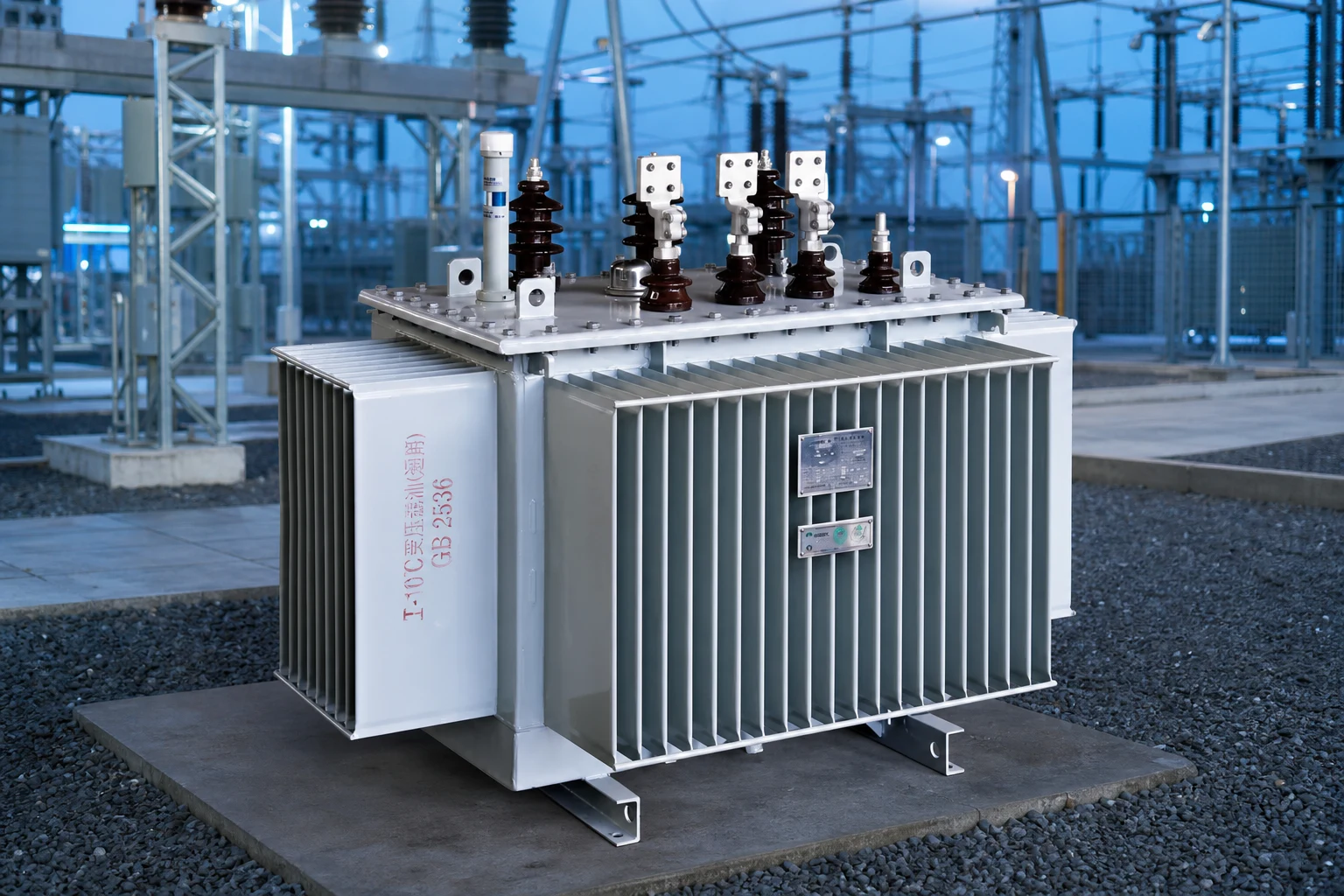
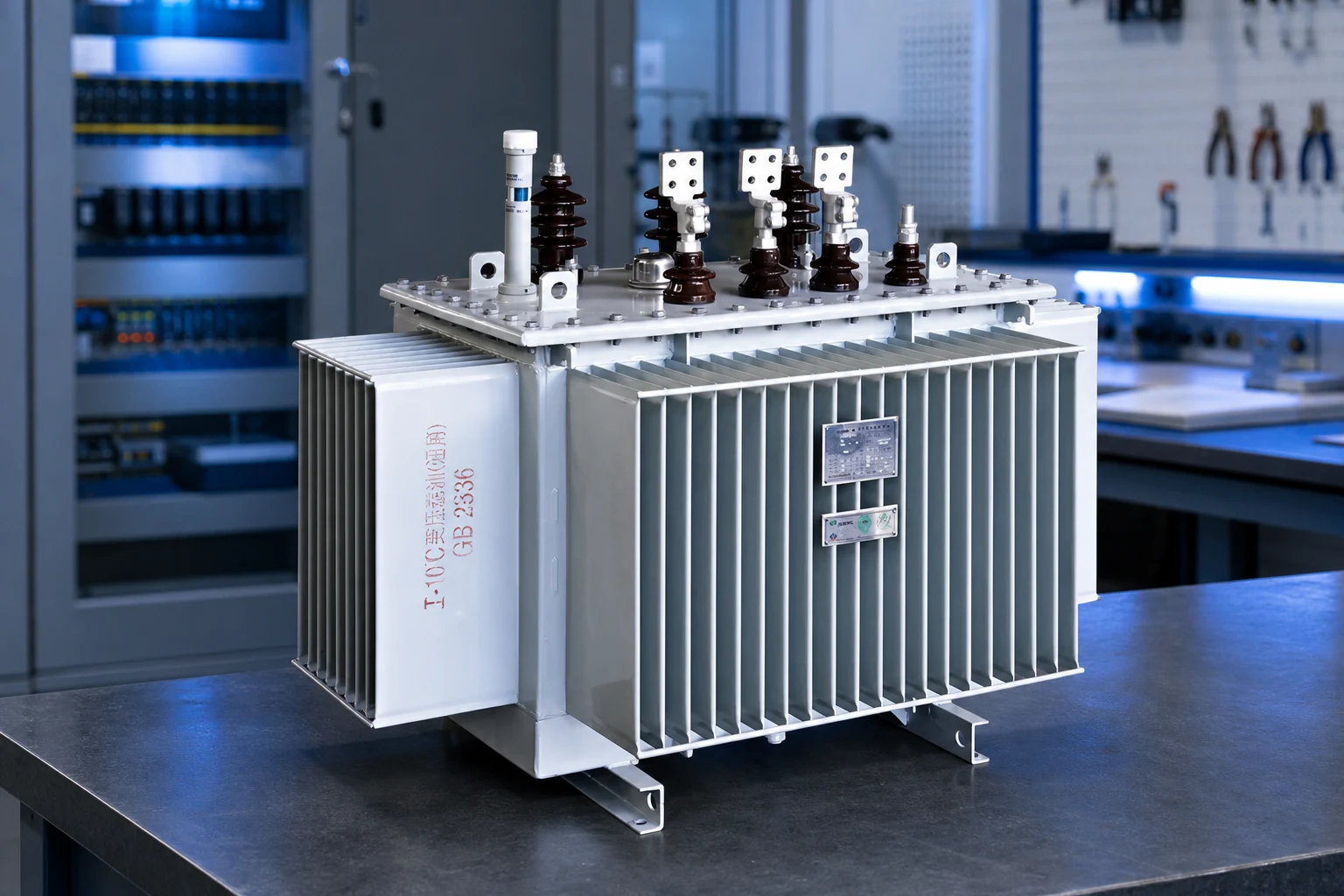
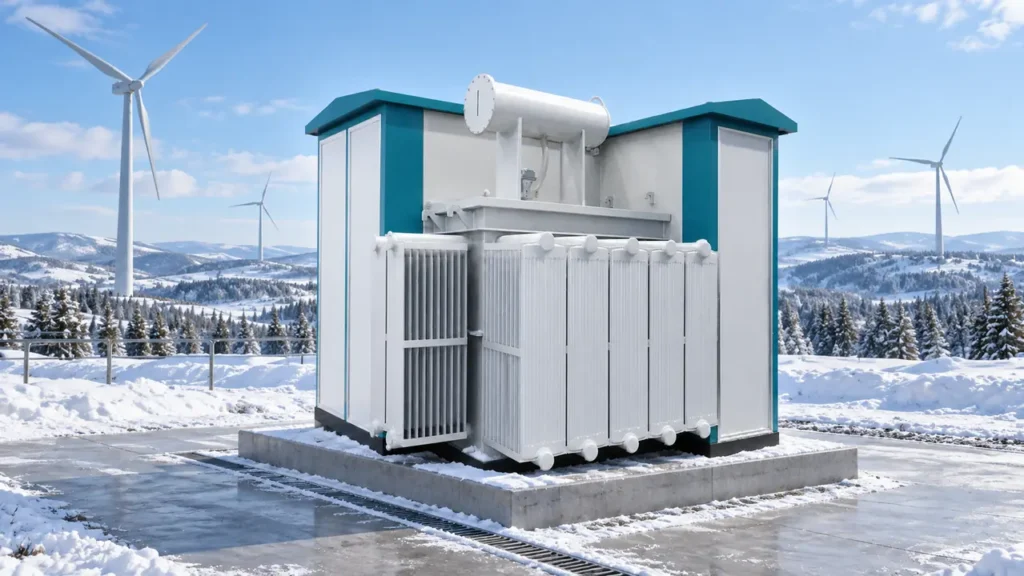
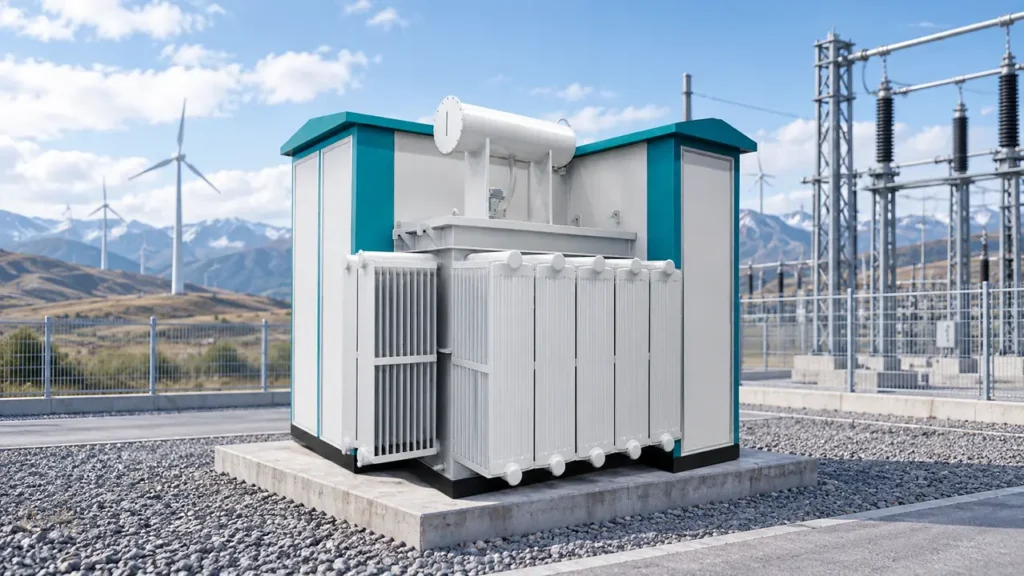
From transformers and switchgear to ring main units, substations, circuit breakers and smart components, Jubang provides integrated product support for power distribution projects.
Discover Jubang’s strengths in technology R&D, quality testing and smart manufacturing, supporting reliable electrical equipment and efficient power distribution solutions for global customers.
From technical consultation and OEM/ODM customization to EPC support, smart O&M, delivery documentation and after-sales service, Jubang supports your project at every stage.
Explore Jubang Group’s development history, intelligent manufacturing base, R&D platforms, CNAS-accredited laboratory and global project service capabilities.
Oil-Immersed vs Dry-Type Transformer: How EPC Teams Choose for Indoor and Outdoor Sites
Release Time: 2026-08-05
Oil-immersed vs dry-type transformer selection starts with the approved site concept, not a product preference. Oil-immersed units use a liquid insulating and cooling medium within a tank arrangement; dry-type units use solid insulation cooled by ambient air or a defined ventilation path. EPC teams should compare construction types against indoor or outdoor siting, fire and environmental interfaces, cooling or ventilation duty, liquid-management or enclosure plans, maintenance access, and the project’s responsible engineering documents.
Neither type should be chosen from a generic efficiency label, price assumption, or clearance table copied from another project. The one-line diagram, site drawings, fire strategy, operating plan, and offered manufacturer documentation define what can be quoted and installed.
Part 1. What decision does oil-immersed vs dry-type actually answer?
The comparison is about construction and site duty, not about substituting one catalogue family for another without review. IEC 60076-1 covers general requirements for power transformers and provides a common specification frame; it does not by itself prove that either construction type fits a particular room, yard, or export project.
At a functional level, oil-immersed transformers route heat through the insulating liquid and associated tank, radiator, fan, or pump arrangements defined in the offered design. Dry-type transformers reject heat from the winding and core through air movement—either natural convection in a defined space or forced ventilation coordinated with the room or enclosure.
Selection question
Oil-immersed direction
Dry-type direction
What is being compared?
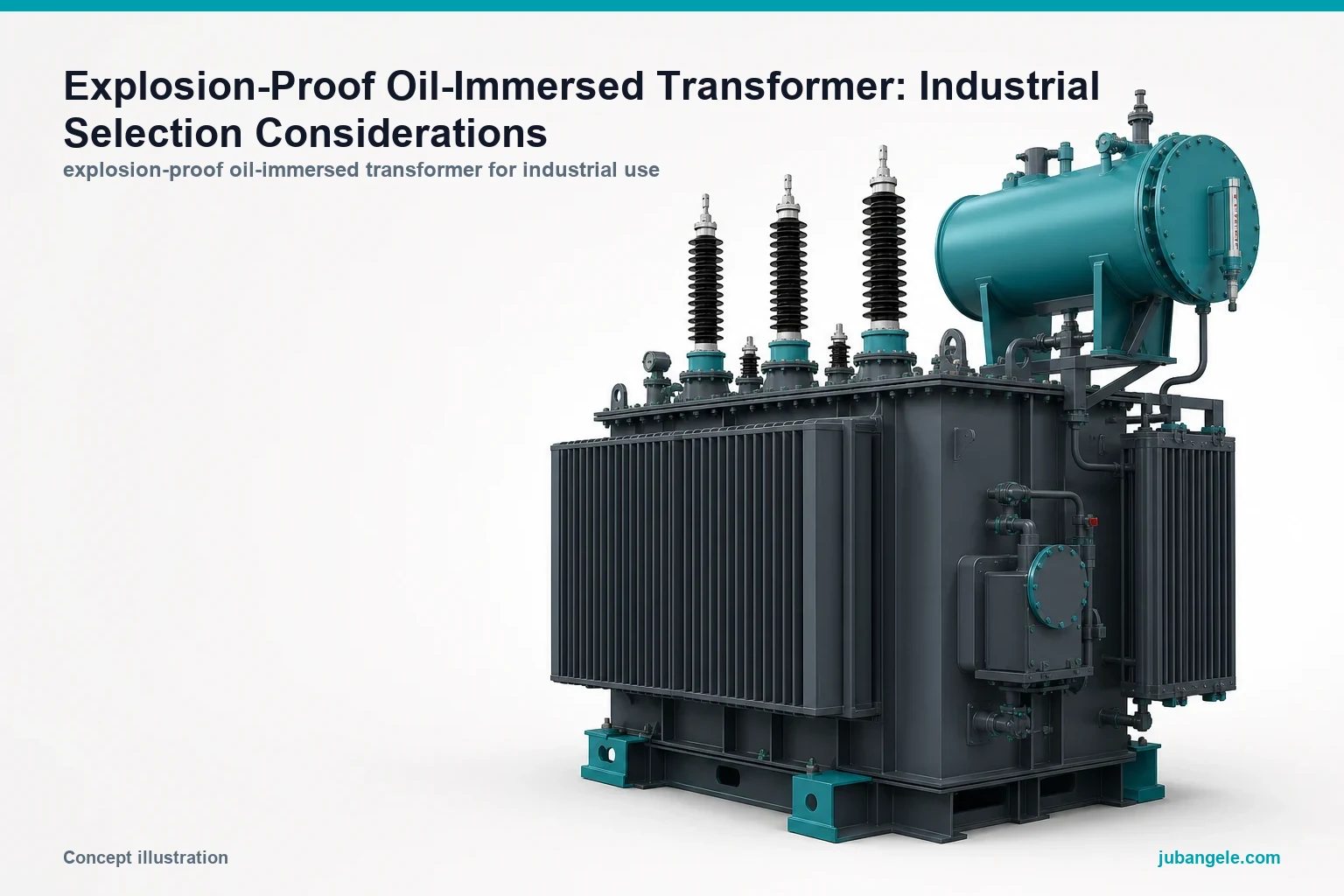
Liquid-insulated tank construction and liquid-management interfaces
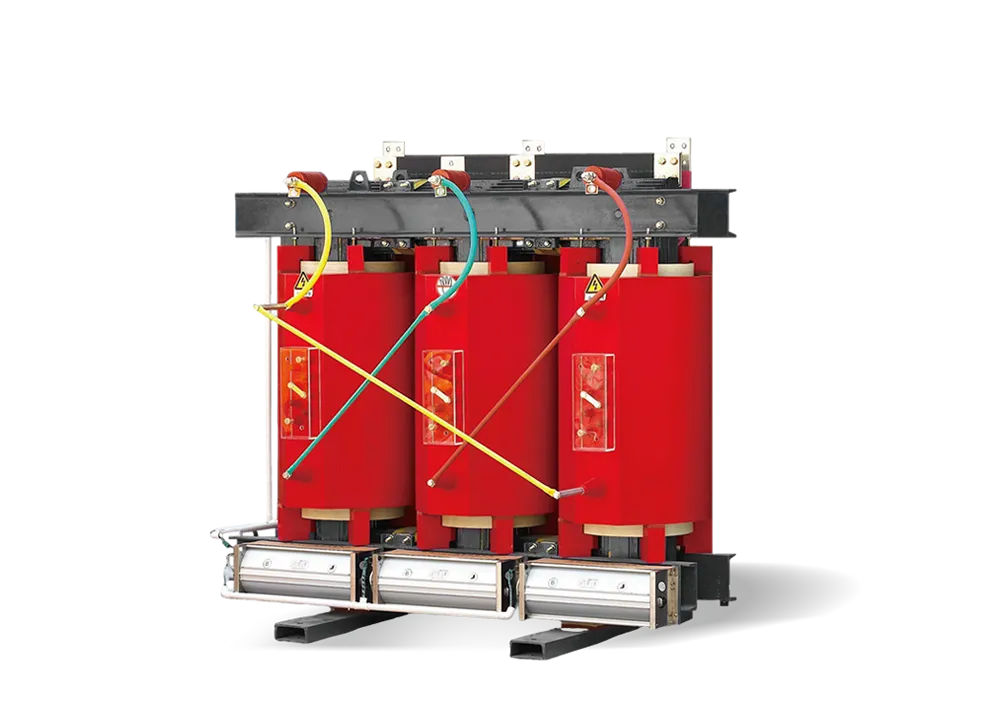
Solid-insulated construction and air/ventilation cooling path
What should lead the review?
Site liquid-management concept, outdoor exposure, and maintenance access to tank accessories
Room or enclosure concept, ventilation path, and environmental class inputs
What must not be assumed?
That every oil unit can be placed indoors without a project fire and containment review
That every dry-type unit can operate outdoors without an agreed enclosure and moisture strategy
Important: Treat construction type as an engineering release decision tied to site and fire interfaces, not as a procurement shortcut. A quotation that omits enclosure, ventilation, liquid-management, or documentation scope is not a valid comparison between oil-immersed and dry-type options; source context: IEC 60076-11.
Part 2. How do indoor and outdoor site constraints shape the choice?
Indoor and outdoor siting questions appear early in export projects because they affect civil works, access, fire strategy, and the interfaces between electrical, mechanical, and building disciplines. Vendor application material often positions dry-type units for indoor or restricted-area duty where liquid containment is undesirable, while oil-immersed units are commonly associated with outdoor yards or dedicated equipment areas—but those are starting points, not automatic rules.
Before comparing offers, record whether the transformer will sit in a building room, a prefabricated enclosure, an open yard, or another defined boundary. Then capture the approved fire strategy, egress and maintenance routes, environmental exposure, and any owner requirement that restricts liquid-insulated equipment indoors or requires a sealed outdoor enclosure for a dry-type unit.
Site condition
Review focus for oil-immersed
Review focus for dry-type
Indoor building room
Liquid-management plan, fire separation, ventilation of ancillary spaces, access for liquid sampling and accessories
Loss and cooling inputs, intake-to-exhaust ventilation path, room geometry, fire interfaces, service access
Outdoor open yard
Foundation, corrosion exposure, bund or drainage interfaces, lifting and cable approach
Usually requires an agreed outdoor enclosure strategy; moisture, solar load, and ventilation must be defined
Prefabricated or compact substation
Integration with switchgear, transport limits, liquid and cable interfaces inside the assembly boundary
Integration losses, cooling air path, fire and access within the combined enclosure
Mixed or evolving site plan
Confirm whether the approved concept still matches the one-line diagram and civil release
Confirm whether room or enclosure drawings exist before locking construction type
Practitioner discussions often highlight that indoor substations raise fire and liquid-handling questions for oil units, while outdoor dry-type proposals raise enclosure and moisture questions. Those concerns belong in the project file as documented review points rather than as universal prohibitions.
Part 3. What insulation and cooling differences matter in specification?
Cooling and insulation details belong in the specification package because they drive different supplier documents. For dry-type units, IEC 60076-11 addresses dry-type transformers and treats environmental classes, restricted ventilation, altitude, and other conditions as topics for agreement between purchaser and manufacturer. That standard identifies the need for a defined ventilation concept; it does not supply a universal airflow or clearance value for every project.
For oil-immersed units, the offered liquid type, cooling class, radiator or fan arrangement, conservator or sealed-tank concept, and accessory list must be read from the manufacturer’s outline drawing and instruction set. A nameplate comparison alone cannot establish cooling adequacy because the heat path depends on the complete supplied arrangement and the approved loading duty.
When a project team is developing room inputs for a dry-type option, coordinate the loss schedule, cooling mode, and ventilation path with the wider building design. JUBANG’s related dry-type transformer ventilation room input package explains that handoff without replacing the project’s approved ventilation study.
For an oil-immersed option, coordinate liquid sampling points, cooling controls, and cable entry with the installation sequence described in JUBANG’s oil-immersed transformer installation and pre-energization guide. The guides support adjacent tasks; they do not decide construction type on their own.
Specification inputs that should travel together
Approved one-line diagram, voltage levels, vector group, and expected loading duty.
Declared no-load and load-loss data or the manufacturer’s loss schedule for the offered design.
Cooling mode: natural air, forced air, liquid natural/forced, or hybrid arrangement as offered.
For dry-type: room or enclosure drawings, intake and exhaust path, ambient and altitude conditions, contamination context.
For oil-immersed: tank arrangement, cooling accessories, liquid identity, preservation method, and liquid-management interfaces.
Part 4. How do fire, environmental and maintenance boundaries compare?
Fire, environmental, and maintenance interfaces often decide the construction conversation before electrical ratings do. Oil-immersed transformers introduce a liquid inventory and associated containment, drainage, sampling, and leak-management considerations that must align with the owner’s fire strategy and environmental plan. Dry-type transformers reduce liquid inventory but introduce surface temperature, arc-energy, ventilation, and enclosure maintenance topics that the building or substation designer must accept.
Maintenance planning also diverges. Oil-immersed asset records typically track liquid condition, cooling performance, bushings, tap-changer accessories where fitted, and tank-level indications. Dry-type maintenance records focus on ventilation performance, enclosure integrity, insulation condition visible through inspection windows or tests defined in the project plan, and the cleanliness of cooling air paths.
Lifecycle topic
Oil-immersed question for the project file
Dry-type question for the project file
Fire interface
How does the owner treat liquid-insulated equipment in the approved fire strategy and equipment area concept?
How do surface temperature, arc fault energy, and ventilation interact with the room fire design?
Environmental interface
What liquid-management, bund, drainage, or spill-response measures are required?
What dust, humidity, corrosion, or pollution class applies to the room or outdoor enclosure?
Maintenance access
Can technicians reach sampling points, coolers, breathers, relays, and cable boxes safely?
Can filters, fans, louvers, and enclosure panels be serviced without violating the ventilation design?
Evidence
Which OEM instructions, inspection records, and liquid reports govern escalation?
Which room logs, ventilation tests, and insulation-test records govern escalation?
Neither construction type eliminates engineering review. A dry-type unit is not automatically “maintenance-free,” and an oil-immersed unit is not automatically excluded from every indoor concept—provided the project’s fire, environmental, and access documents support the offered arrangement.
Part 5. What project inputs should EPC teams document first?
Documented inputs prevent a construction-type debate from restarting after quotations arrive. At minimum, the project file should contain the current one-line diagram, the siting concept, the responsible engineering authority, and the interfaces that differ between oil-immersed and dry-type offers.
Core input register
Input
Why it affects construction type
Controlling document
Siting concept
Defines indoor room, outdoor yard, or integrated enclosure boundary
Civil and electrical layout drawings
Fire strategy
Sets expectations for liquid inventory, separation, and detection
Owner fire strategy or project specification
Environmental plan
Sets contamination, drainage, and exposure assumptions
Environmental or site-condition report
Cooling or ventilation duty
Links losses to an achievable heat-rejection path
Loss schedule and HVAC/substation ventilation design
Maintenance and access
Determines whether the chosen arrangement is operable
O&M plan and layout sections
Standards list
Names the editions requested in the contract
Project specification and data sheets
Where installation sequencing matters for an oil-immersed path, use the lateral installation guide linked in Part 3 as a checklist reference only after the construction type is approved. Where room design matters for a dry-type path, use the ventilation input article similarly. The construction decision still rests with the documented site concept and responsible engineer.
Part 6. How should an RFQ compare offered oil-immersed and dry-type options?
A valid RFQ compares like scope. Ask each supplier to state the construction type, cooling arrangement, enclosure or room assumptions, liquid or ventilation interfaces, accessory list, and documentation against the same one-line diagram and site data. A price difference between unlike scopes is not a selection result.
Manuals, drawings, recommended inspection scope, exception list
Commercial
Incoterms, delivery point, documentation list, acceptance authority
Deviations, exclusions, and assumptions explicitly stated
RFQ checklist
Current one-line diagram, voltage levels, and vector-group requirement with revision status.
Indoor or outdoor siting concept, layout drawing, and environmental exposure summary.
Fire-strategy interface and any owner restriction on liquid-insulated equipment or required enclosure for dry-type units.
For dry-type: room or enclosure drawings, loss schedule, ventilation path, and altitude or contamination inputs.
For oil-immersed: liquid-management concept, drainage or bund interfaces, cooling accessory expectations, and installation responsibility split.
Required accessories, monitoring points, protection interfaces, and cable-entry arrangement.
Applicable standards and editions requested by the contract, plus the supplier’s drawing and test-document list.
Delivery location, Incoterms, target energization date, and the party responsible for final approval.
Part 7. Which JUBANG path fits this enquiry?
A JUBANG enquiry fits when the buyer can supply the site concept, electrical duty, and documentation list needed for a project-specific review. Start with the JUBANG power transformer range to compare oil-immersed and dry-type enquiry routes, then narrow the discussion to the product family that matches the approved specification.
Where the project documentation supports an oil-immersed review, JUBANG’s public 35 kV oil-immersed power transformer page provides equipment context. Where a dry-type path is under review, the 35 kV resin-insulated dry-type transformer page provides a parallel context. Neither page replaces the site, fire, ventilation, or liquid-management review.
Fit Boundary
Good fit: EPC or owner teams preparing a documented comparison of oil-immersed and dry-type options for a defined indoor or outdoor site.
Not a fit: a request for a universal “best type,” clearance value, price benchmark, fire approval, or compliance statement without project inputs.
Confirm first: siting concept, fire and environmental interfaces, cooling or ventilation design, offered drawings, and the responsible engineering authority.
Next step: send the input register and RFQ checklist through contact JUBANG for a configuration and documentation discussion. The goal is a comparable offer review, not an automatic construction-type release.
FAQ
What is the main difference between oil-immersed and dry-type transformers?
Oil-immersed transformers use a liquid insulating and cooling medium in a tank arrangement. Dry-type transformers use solid insulation cooled by ambient or ducted air. The practical selection question is which construction matches the approved site, fire, and maintenance concept.
When should a project choose dry-type over oil-immersed?
Consider dry-type construction when the approved siting concept, fire strategy, and ventilation or enclosure design support solid-insulated equipment in the intended room or enclosure. Confirm losses, cooling path, and documentation with the responsible engineer before treating dry-type as the default indoor option.
Can dry-type transformers be used outdoors?
They may be considered when the project defines an outdoor enclosure, environmental exposure, ventilation, and maintenance plan acceptable to the owner and responsible engineer. Outdoor suitability is not automatic merely because the insulation is dry.
Can oil-immersed transformers be installed indoors?
An indoor concept may be feasible when the approved fire strategy, liquid-management measures, access plan, and owner requirements support the offered arrangement. Indoor siting should not be assumed without those documented interfaces.
Which type is easier to maintain on an export project?
Maintenance burden depends on the supplied design and site conditions, not on the construction label alone. Oil-immersed plans center on liquid, cooling accessories, and tank interfaces; dry-type plans center on ventilation, enclosure integrity, and accessible inspection paths. Request the OEM maintenance scope for each quoted arrangement.
How do fire and environmental requirements affect selection?
Fire strategy may restrict liquid inventory indoors or require additional separation, detection, or containment measures for oil-immersed units. Environmental conditions may require filtered ventilation, corrosion protection, or sealed enclosures for dry-type units. Record the owner’s requirements before comparing offers.
What should buyers send when comparing quotations?
Send the one-line diagram, siting drawings, fire and environmental interfaces, cooling or ventilation inputs, maintenance access constraints, standards list, and the documentation expected at factory and site acceptance. Ask each supplier to quote the same scope and declare exclusions.
Are dry-type transformers always safer for buildings?
No universal safety ranking is appropriate. Dry-type units avoid liquid inventory but still require review of temperature, arc energy, ventilation, and fire interfaces. Oil-immersed units may be acceptable indoors when the project’s fire and liquid-management plan supports them. The approved project documents decide suitability.
Products are exported to more than 100 countries and regions such as Africa, the Middle East, and the United Kingdom and Europe. It is a leading manufacturer of power distribution equipment in China.

 JUBANG