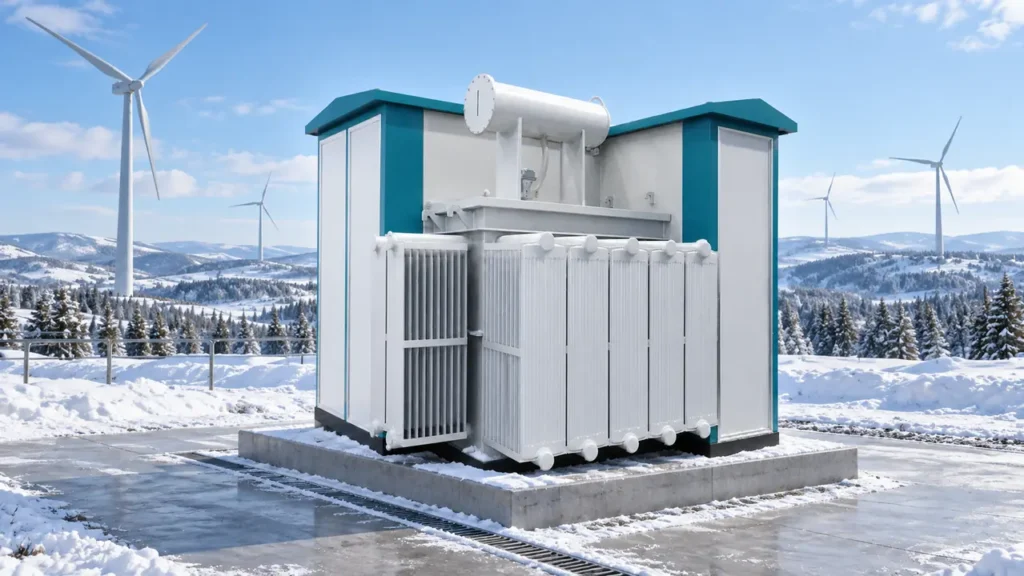
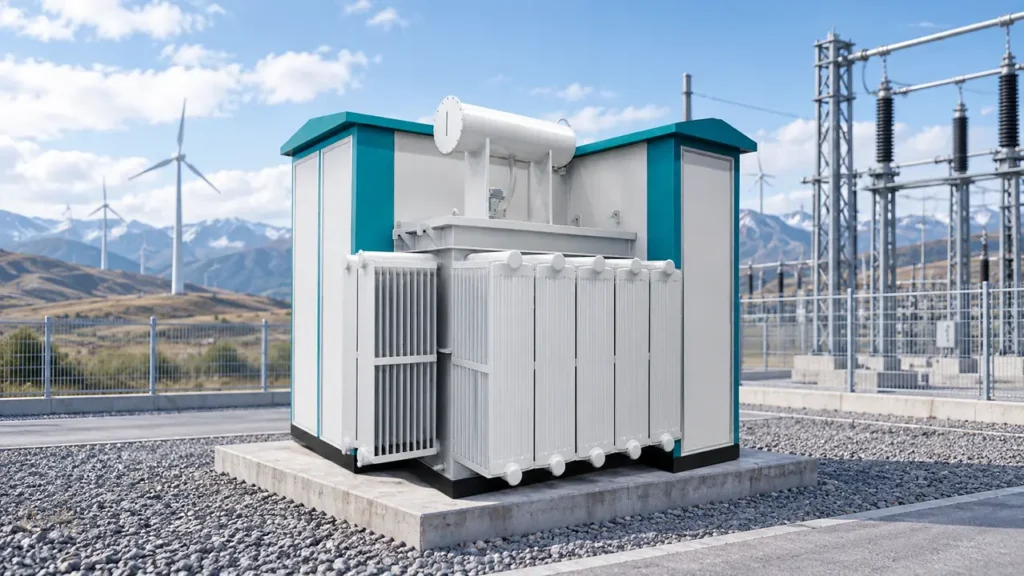
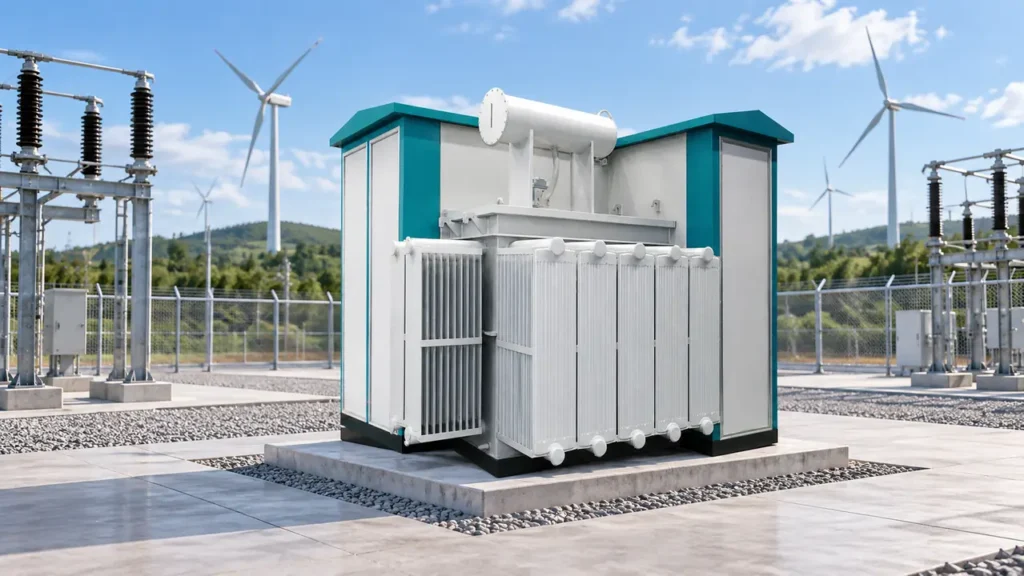
From transformers and switchgear to ring main units, substations, circuit breakers and smart components, Jubang provides integrated product support for power distribution projects.
Discover Jubang’s strengths in technology R&D, quality testing and smart manufacturing, supporting reliable electrical equipment and efficient power distribution solutions for global customers.
From technical consultation and OEM/ODM customization to EPC support, smart O&M, delivery documentation and after-sales service, Jubang supports your project at every stage.
Explore Jubang Group’s development history, intelligent manufacturing base, R&D platforms, CNAS-accredited laboratory and global project service capabilities.
Fixed Type Metal Ring Main Switchgear: Uses, Ratings, and Selection
Release Time: 2026-07-04
Fixed Type Metal Ring Main Switchgear: Uses, Ratings, and Selection explains how fixed RMU designs support compact urban and industrial power distribution. It is written for engineers, EPC contractors, and procurement teams comparing medium-voltage or low-voltage equipment for real projects rather than catalog browsing.
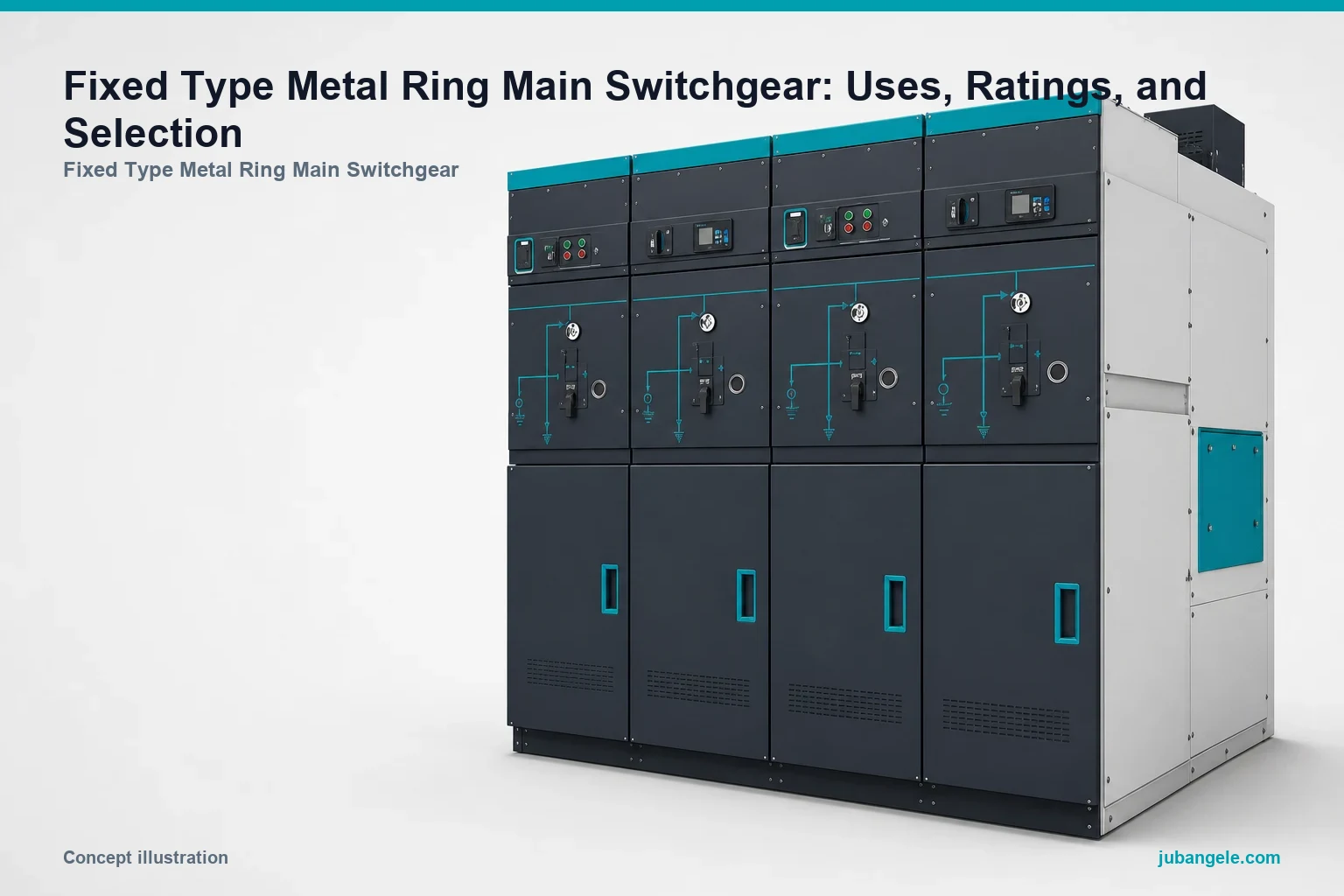
Concept illustration for this topic (not a product photo).
What does this equipment do?
Fixed Type Metal Ring Main Switchgear belongs to the Switchgear & Ring Main Unit portfolio. In a distribution project, its job is to keep power conversion, switching, protection, or load transfer predictable under the electrical and environmental conditions defined by the design package.
The right specification starts with system voltage, load current, short-circuit level, installation environment, switching duty, and maintenance access. For export projects, buyers should also confirm applicable IEC or local standards before locking the bill of materials.
Where is it commonly used?
Utility distribution — substations, feeders, rural grid renovation, and network reinforcement.
Industrial facilities — factories, mines, oil and gas sites, and heavy-load workshops.
Renewable energy — photovoltaic, wind, energy storage, and hybrid distribution systems.
Commercial buildings — LV/MV distribution rooms, critical-load panels, and backup power transfer.
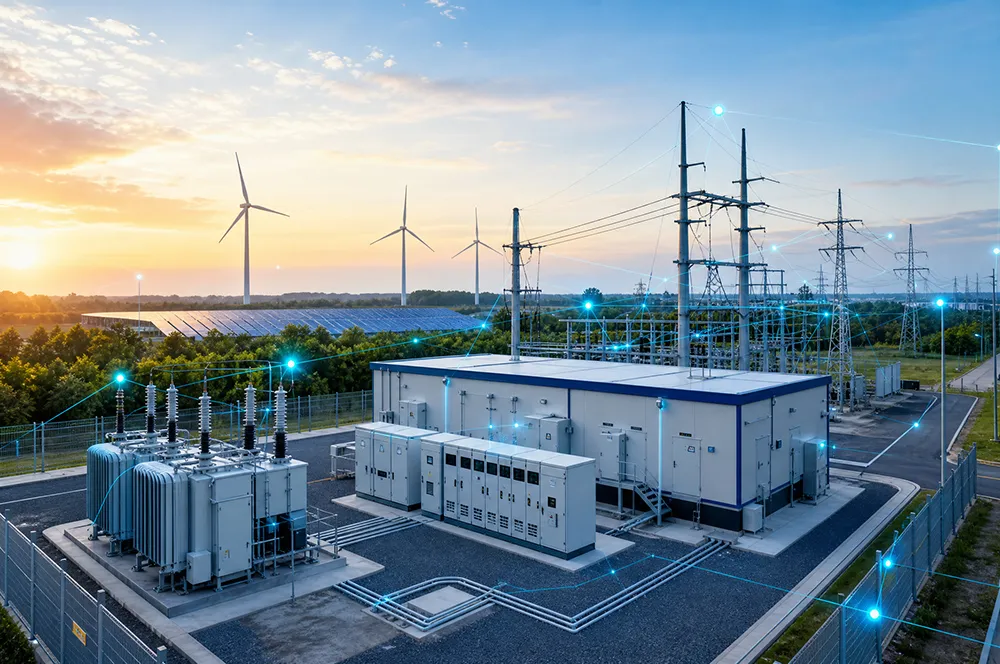
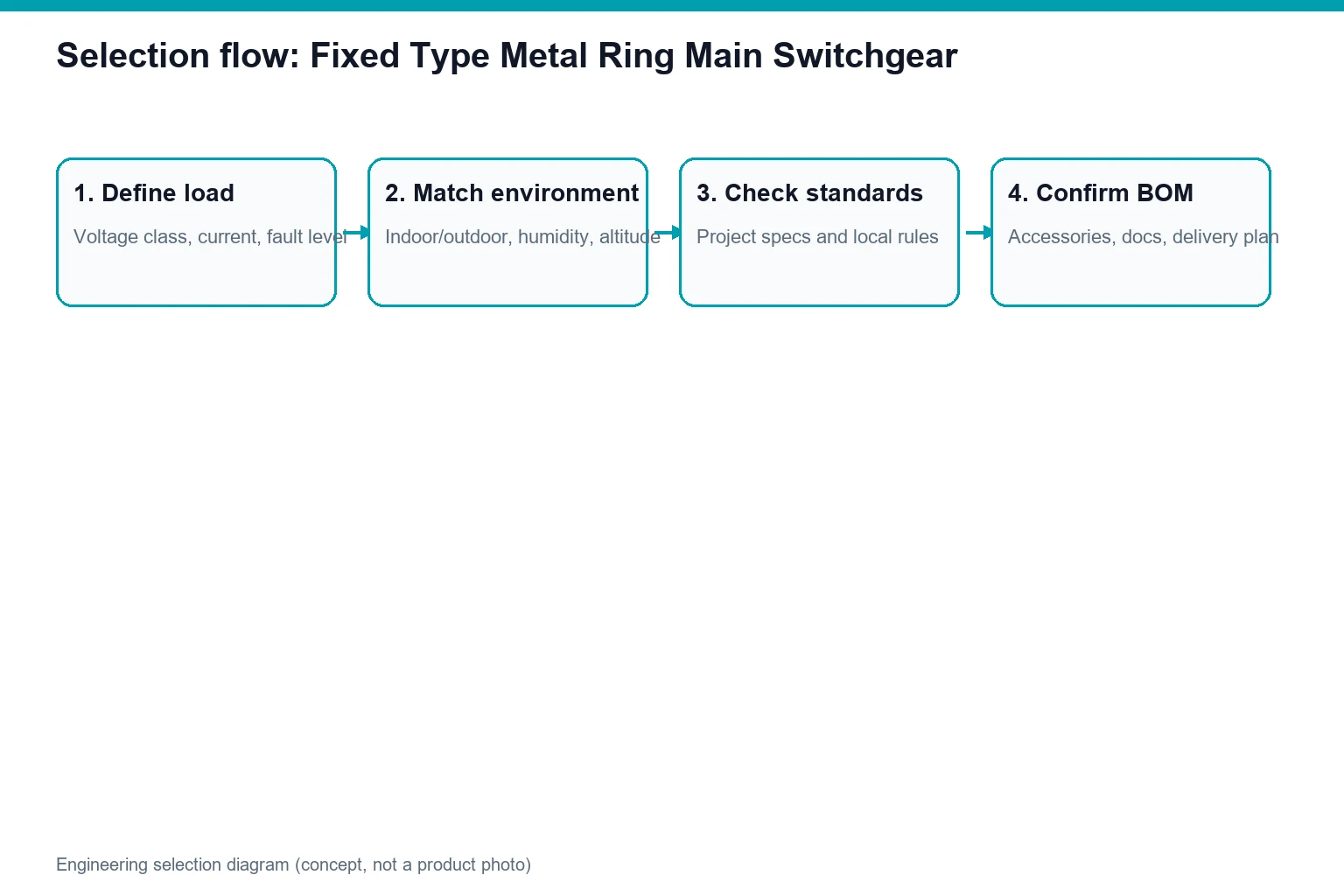
Concept diagram for planning and specification (not a product photo).
Key ratings to confirm before purchase
Check item
What to confirm
Why it matters
Voltage class
Rated voltage and insulation level for the network
Prevents insulation mismatch and clearance problems
Current or capacity
Continuous load, overload margin, and future expansion
Avoids overheating and nuisance derating
Short-circuit duty
Breaking, withstand, or protection coordination requirements
Must match the calculated fault level
Environment
Indoor/outdoor, altitude, humidity, corrosion, dust, and temperature
Drives enclosure, insulation, and maintenance choices
Control and monitoring
Manual, motorized, relay, FTU, metering, or communication needs
Determines integration with protection and smart O&M systems
Tip: Ask suppliers to map each offered model back to your single-line diagram. A model name alone is not enough; ratings, accessories, and installation conditions decide whether the product fits.
Specification checklist
Confirm the applicable voltage class, frequency, and grounding system.
Share the maximum load current, transformer capacity, or feeder rating.
Provide short-circuit calculation results or upstream protection settings.
State whether the equipment is installed indoors, outdoors, on a pole, in a kiosk, or inside a panel.
List required accessories such as metering, surge protection, communication, interlocks, or auxiliary contacts.
Define documentation needs: drawings, routine test reports, packing method, and spare parts.
Common mistakes to avoid
Do not copy a previous project specification without checking the new site conditions. Altitude, cable direction, enclosure IP level, control voltage, and local acceptance rules can change the final configuration. For medium-voltage equipment, also avoid choosing only by nominal voltage while ignoring insulation level and short-circuit duty.
For low-voltage protection devices, make sure trip characteristics coordinate with upstream and downstream equipment. For transformers and substations, verify ventilation, oil containment, corrosion protection, lifting points, and transport limits early in the design stage.
How JUBANG supports project selection
JUBANG combines manufacturing capability with EPC and smart operation experience. The company can support product selection across transformers, prefabricated substations, switchgear, pole-mounted breakers, authorized Schneider cabinets, and low-voltage electrical equipment. When you send project drawings and required standards, the engineering team can help align ratings, structure, and accessories with the application.
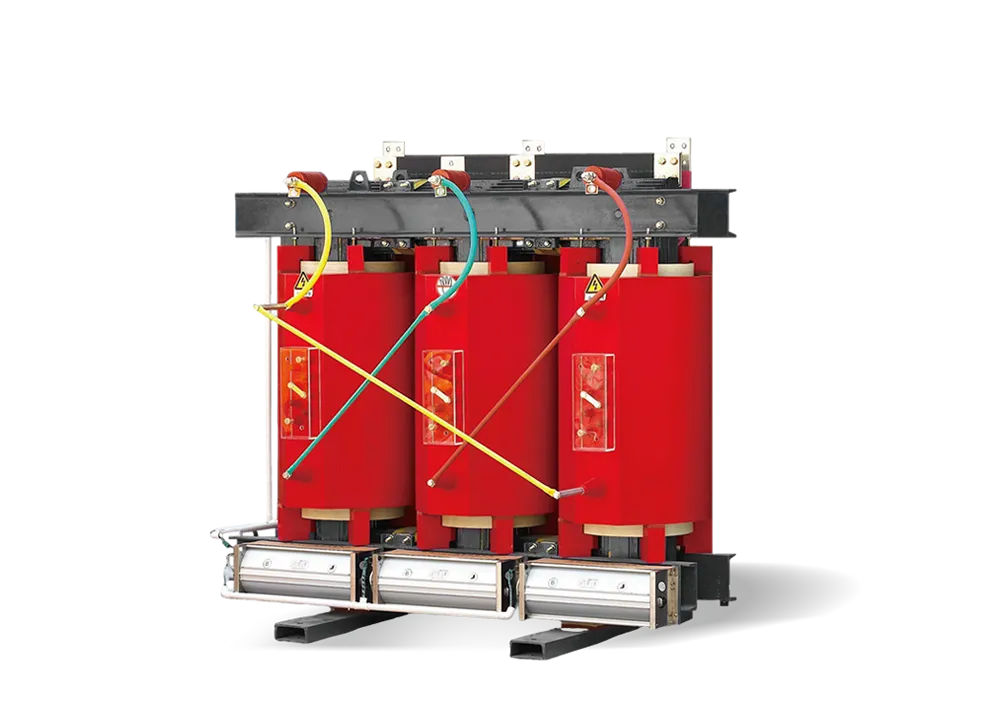
Related JUBANG product line reference image from official site media.
FAQ
What information should I send before requesting a quotation?
Send the single-line diagram, voltage class, load or capacity, short-circuit level, installation environment, required standards, drawings, and target delivery schedule.
Can one model be used in every market?
No. The base design may be similar, but accessories, certificates, labeling, test documentation, and enclosure requirements often change by project and country.
Is the lowest purchase price the best decision?
Usually not. Installation cost, failure risk, maintenance access, spare parts, and outage impact should be considered together with the equipment price.
References
JUBANG product and company information from internal site profile.
IEC medium-voltage and low-voltage equipment families should be checked against the exact product standard required by the project.
Final ratings must follow the manufacturer datasheet and project design documents.
Products are exported to more than 100 countries and regions such as Africa, the Middle East, and the United Kingdom and Europe. It is a leading manufacturer of power distribution equipment in China.

 JUBANG