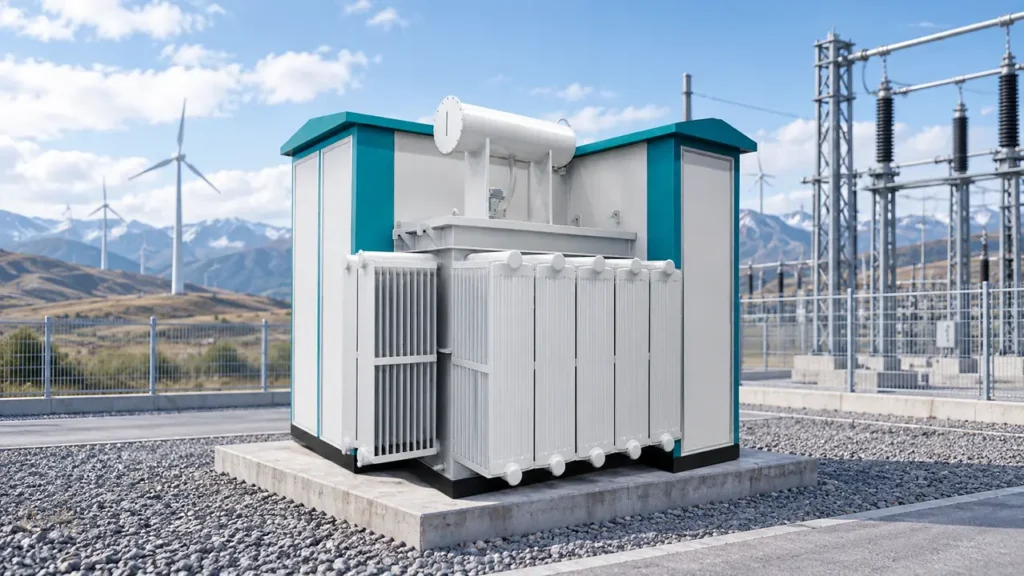
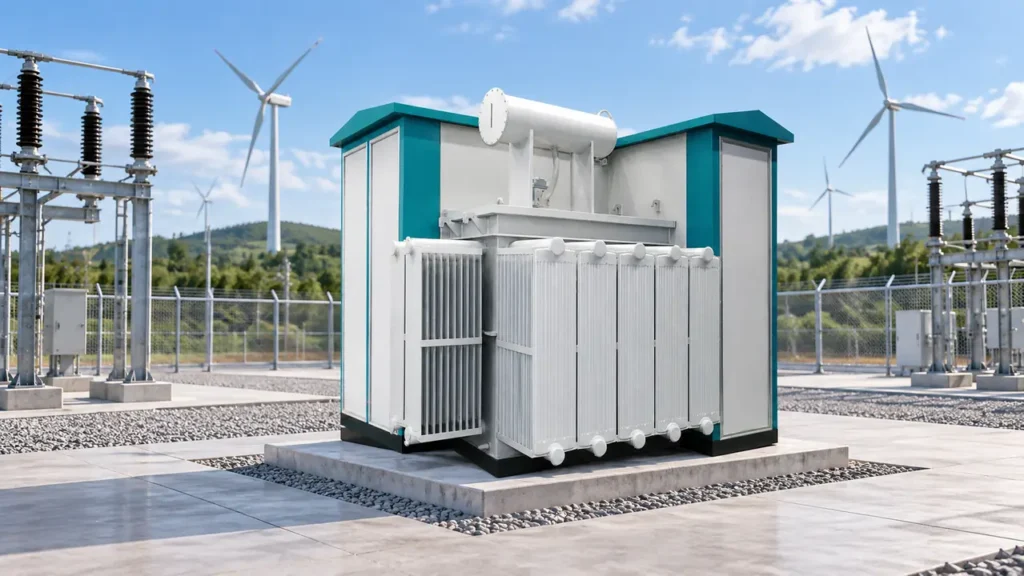
Potential transformers are a component of electrical engineering that provide safety, accuracy, and efficiency when measuring and monitoring electrical systems. Potential transformers are a key component of high voltage applications. A transformer reduces high voltage to an appropriate level to allow the safe and accurate use of instrumentation, protective relays and control systems. This article discusses the application, benefits, and practical uses of potential transformers in contemporary electrical systems, as well as covering common questions from potential buyers and engineers.
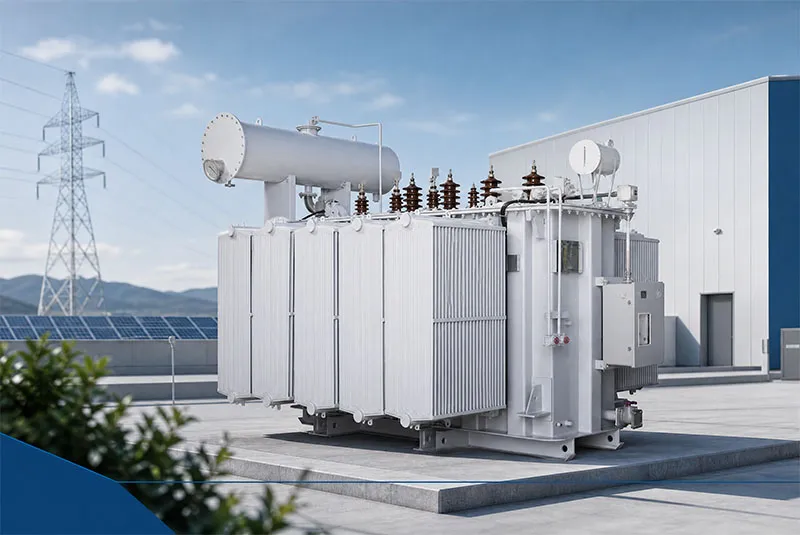
What are Potential Transformers?
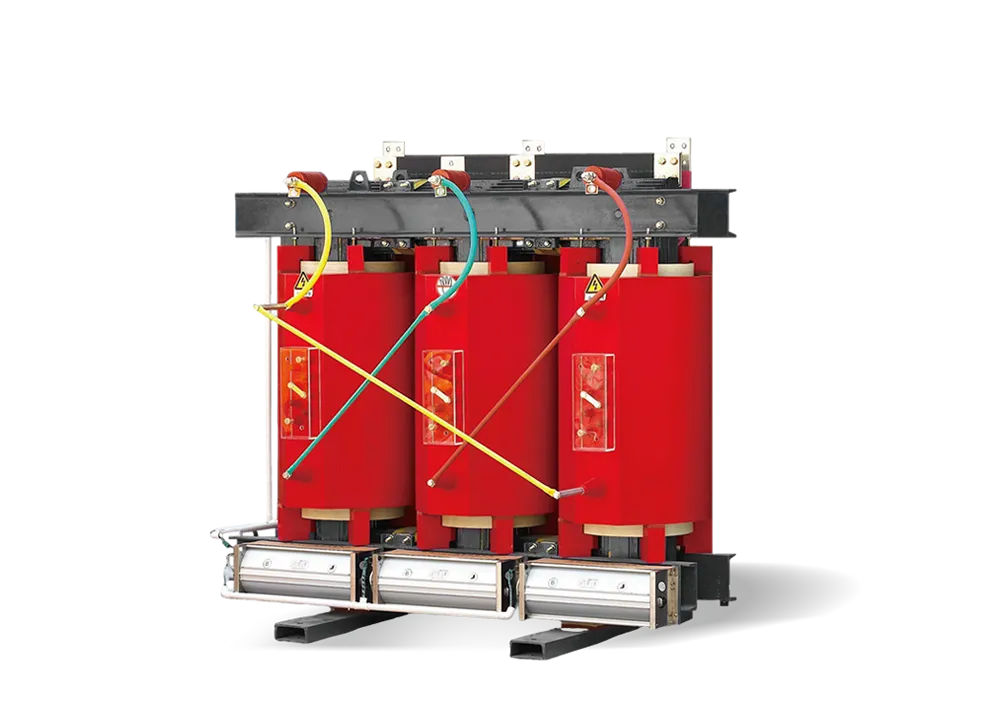
Potential Transformers (or PTs / Voltage Transformers) are special types of electrical devices whose main job is to take high voltages and convert them to lower, standardized voltages that are easy to measure and monitor. PTs do this by providing electrical isolation between high-voltage circuits and low-voltage measuring instruments. This keeps both equipment and personnel safe. In addition, when PTs “step down” voltages, they do so while maintaining the ratio (proportional relationship) between those voltages, making measurements accurate enough for power regulation, energy measurement, and system protection. As a result, PTs will generally be used with another type of transformer called a Current Transformer (CT) in substations, industrial facilities, and electrical grids.
Applications of Potential Transformers
Potential transformer have an extremely wide variety of potential uses. Some of the more popular ones include:
1. Accurate Voltage Measurement: Accurate measurement of voltage is essential to ensure that an electrical power system operates at optimum efficiency and reliability. Providing electrical engineers with the ability to monitor and evaluate voltage levels in real-time, PTs help engineers respond immediately to any changes in voltage level.
2. Measuring Energy Consumption: Utility Providers use Phase-to-phase transformers to measure how much electrical energy is consumed by their customers. Phase-to-phase transformers convert higher voltage power supplies into electrical energy that can be measured using standard methods, allowing for accurate measurement of energy consumption, which impacts both residential and commercial customer bills.
3. Protection systems: Protection schemes use potential transformers (PT) as component parts of its protection. Therefore, PTs provide the voltages needed for the protective relays to identify an abnormal situation (e.g. overvoltage, faults) and react accordingly to protect the electrical equipment.
4. Control Circuits: In automation systems, PTs provide consistent and reliable voltage input to control circuits, allowing the efficient operation of electrical devices such as contactors, breakers, and switches in industrial environments.
5. Analysis of Power Quality: Power transformers (PTs) are commonly utilized to evaluate the power supply quality of a system. In this aspect, PTs are utilized to help identify issues with the electrical supply, including harmonic distortion and temporary voltage decreases and increases (aka “dips” & “spikes”). These phenomena may have an adverse impact on equipment operation and system stability.
Advantages of Potential Transformers
Potential transformers have many benefits when used in today’s electrical systems making them a valuable part of a number of different application areas. The following list highlights some of the major advantages that they provide:
1. Improving the safety of the environment in which measurement devices and operators operate electrically isolates them from high voltage measurement circuits, thereby considerably reducing the risk of injury and/or damaging sensitive equipment.
2. Enhancement of accuracy: A properly manufactured potential transformer is able to give an accurate voltage transformation and therefore provide correct outputs for measuring and monitoring instruments. Accurate measurements are critical in assisting in energy billing and system diagnosis activities that need to be completed based on the transformer’s output.
3. Compatibility Across a Broad Voltage Range: Typically, PTs are able to function for numerous voltages which allows for customization depending upon your intended use – whether low voltage (such as a typical household) or extremely high voltages (such as an industrial power grid).
4. Reduced Circuit Load: By only sending an appropriate amount of the signal to connected devices, PTs reduce the load placed on the primary circuits. This helps improve the efficiency of the system and also prolongs the life of equipment.
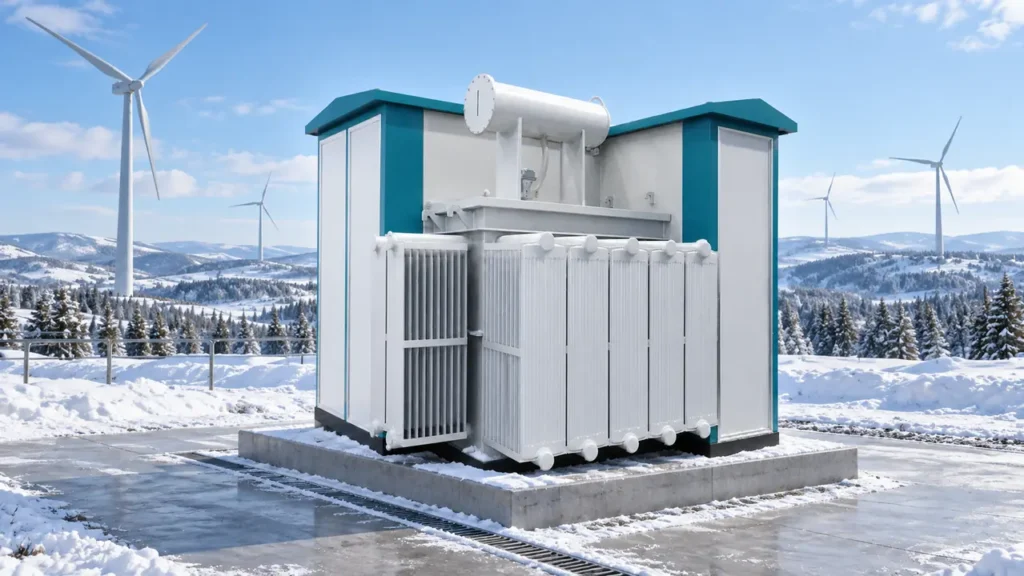
5. Durability and Reliability: Designed to endure harsh environments, potential transformers have long service life and need little maintenance. Therefore, they are a cost-effective and dependable option in the long run.
Practicality of Potential Transformers
The practicality of potential transformers extends beyond their technical benefits, as they provide flexible, cost-effective solutions for complex electrical systems. Here are some facets of their practicality:
1. Cost-Effectiveness: By simplifying voltage measurement and isolation processes, PTs significantly reduce the need for expensive high-voltage measuring equipment. Their durable design further minimizes long-term maintenance costs.
2. Ease of Installation: Modern PT designs are user-friendly and compact, allowing for simple installation in both new and existing electrical setups. This adaptability makes them suitable for a diverse range of applications.
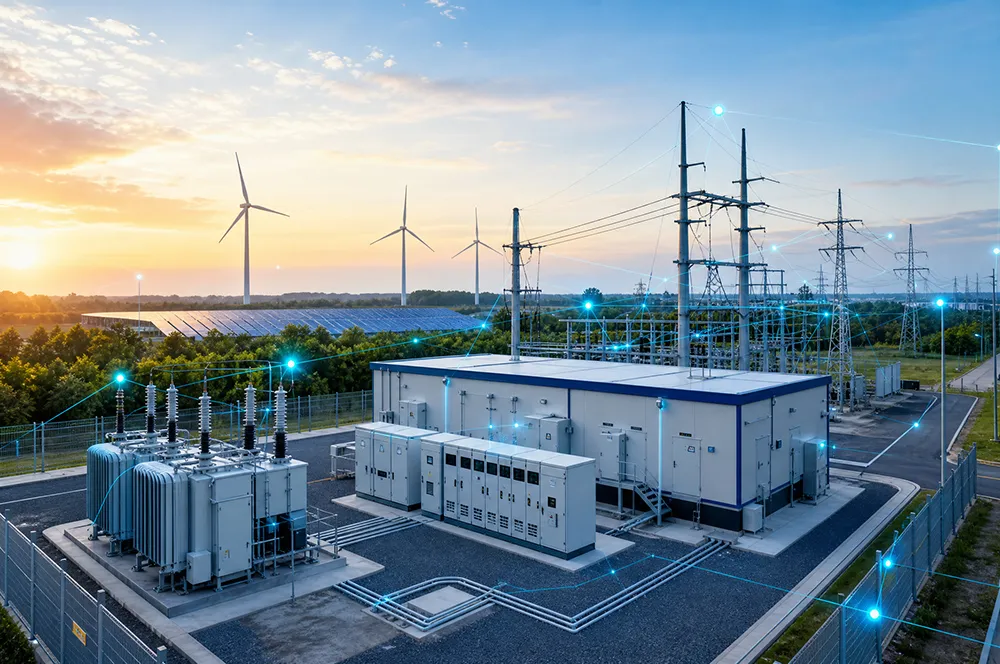
3. Compatibility with Modern Systems: With the advent of smart grids and digital substations, potential transformers are evolving to suit new technological advancements, including remote monitoring and digital data integration. They can be paired with energy management systems for real-time voltage monitoring and analytics.
4. Environmental Benefits: By optimizing energy use and ensuring efficient power distribution, PTs play a small yet significant role in reducing overall energy consumption and supporting a sustainable energy ecosystem.
FAQs about Potential Transformers
What are potential transformers?
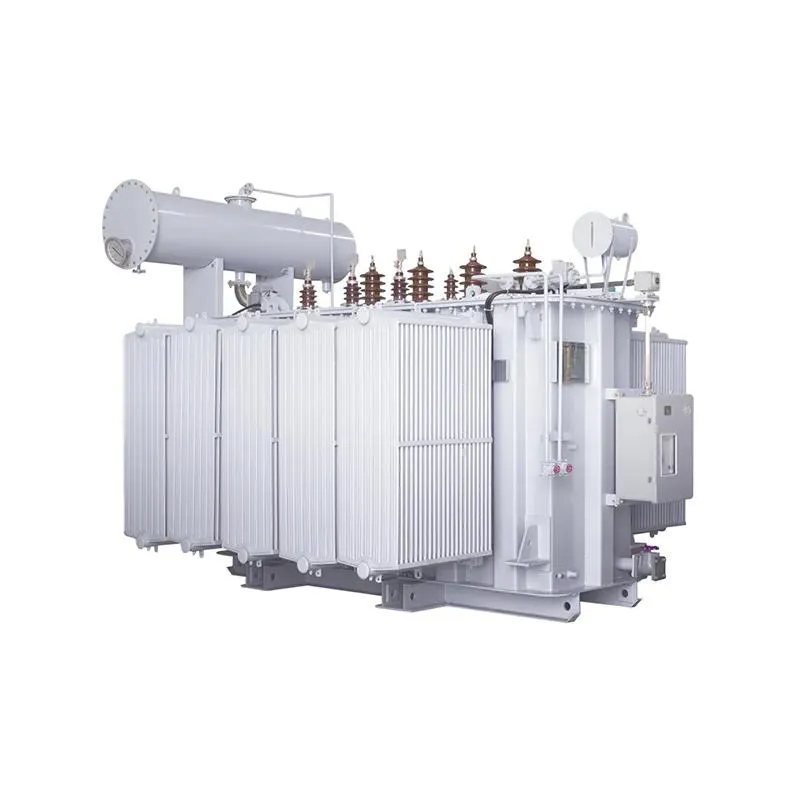
Potential transformers are specialized devices used in electrical systems to step down high voltages to lower, manageable levels for safe and accurate measurement, monitoring, and control.
What are the advantages of potential transformers?
Potential transformers are essential for ensuring safety, providing accurate voltage readings, reducing the load on circuits, and offering compatibility with various voltage levels. They are reliable, durable, and require minimal maintenance.
What are the uses of potential transformers?
Potential transformers are widely used in voltage measurement, energy metering, protective relay systems, control circuits, and power quality analysis, making them critical for a variety of applications in industries and utilities.
Conclusion
Potential transformers are indispensable components in modern electrical systems, offering unparalleled advantages in terms of safety, accuracy, and practicality. Their diverse applications, ranging from voltage measurement to protective systems, make them critical for efficient and reliable power distribution and management. Moreover, their compatibility with smart technologies and ability to adapt to various voltage ranges solidify their importance in the future of energy infrastructure. For businesses and engineers seeking to optimize their electrical systems, investing in potential transformers represents a smart, forward-thinking choice that ensures both immediate and long-term benefits.

 JUBANG