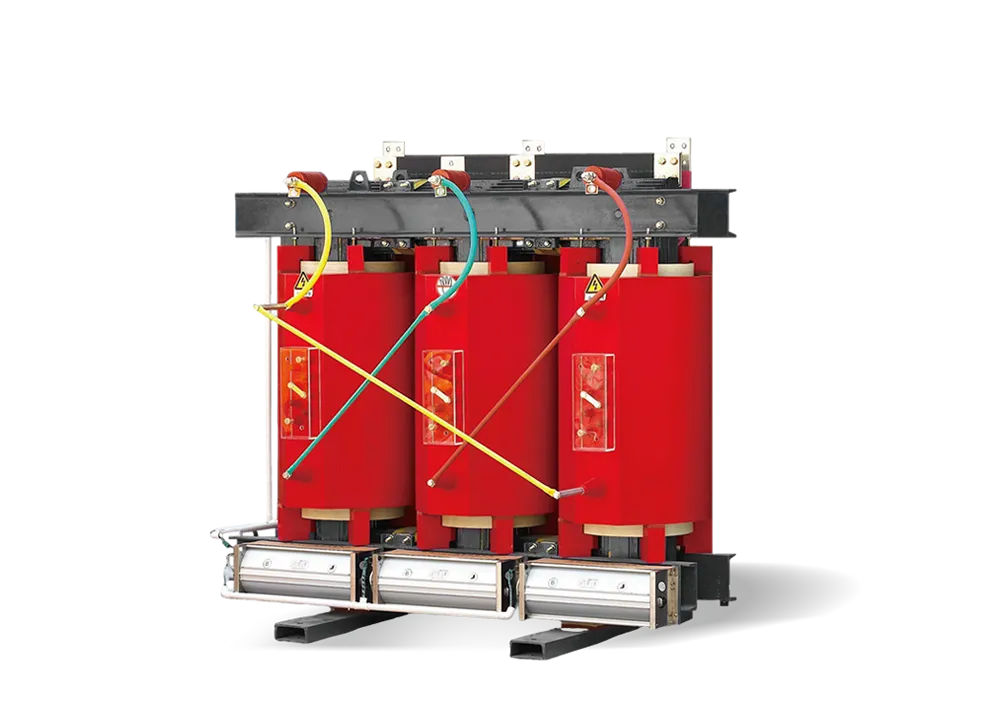
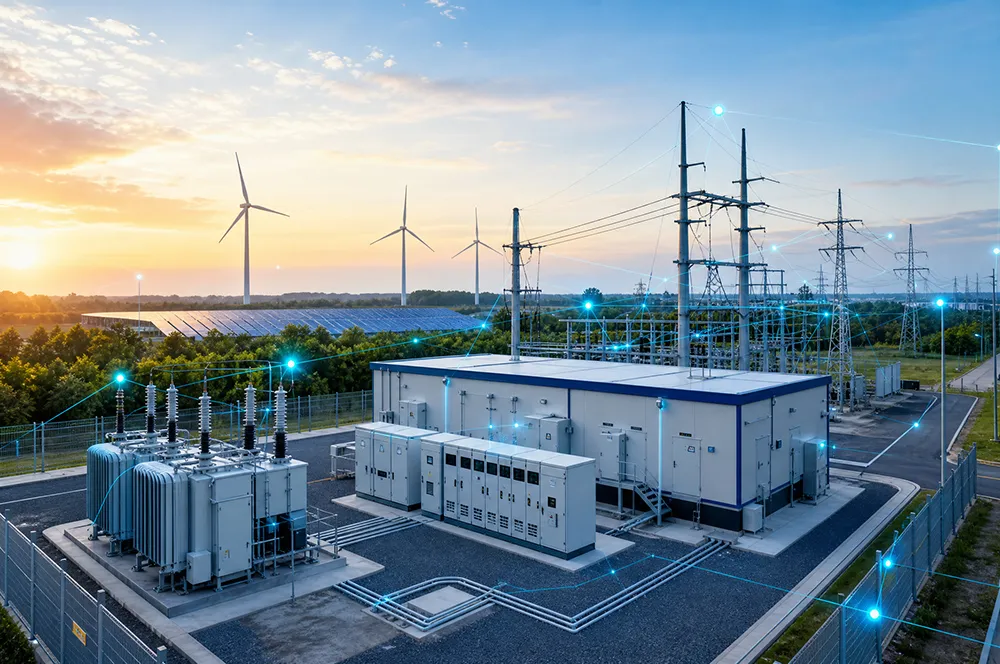
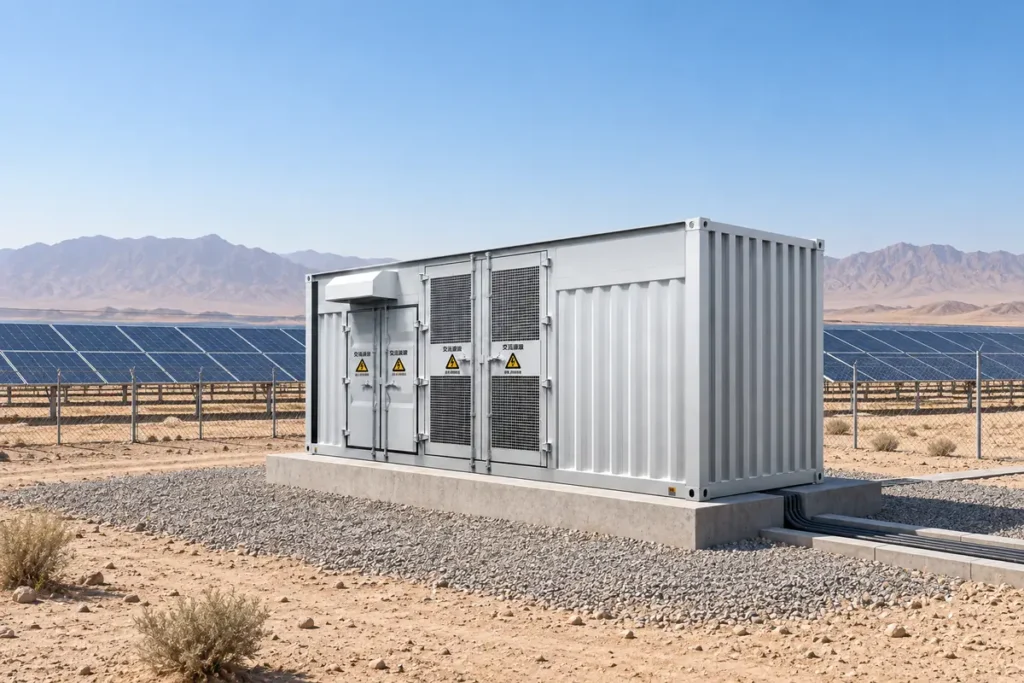
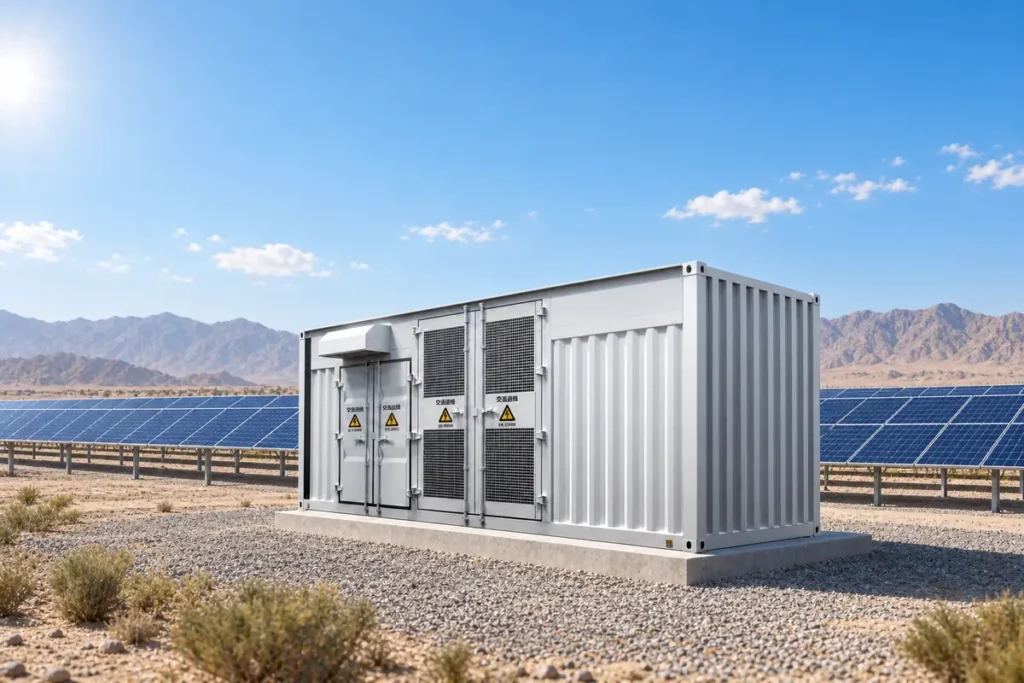
CTs convert large currents to small for safe monitoring in power, mining, and industry, enabling accurate measurement and equipment protection.
Current Transformers Working Principle
Current transformers are based on the principle of electromagnetic induction, which involves two coils (or windings) having different numbers of turns that can detect current in the electric fields generated by the coil as current passes through it. The first (primary) coil has either one wire or few turns of wire that carry the main current that needs to be measured. Once current flows through the main (primary) conductor, a magnetic field is produced through the transformer core and will create voltage on the second (secondary) coil that is equal to the current in the primary coil (the current flowing through the main conductor). Because this voltage created on the secondary coil is proportional to the voltage applied to the first (primary) coil, standard metering devices can be safely used to measure many mega-amperes of current. This principle plays a significant role in safely operating electrical power plants, utility power plants, industrial electrical power systems etc.
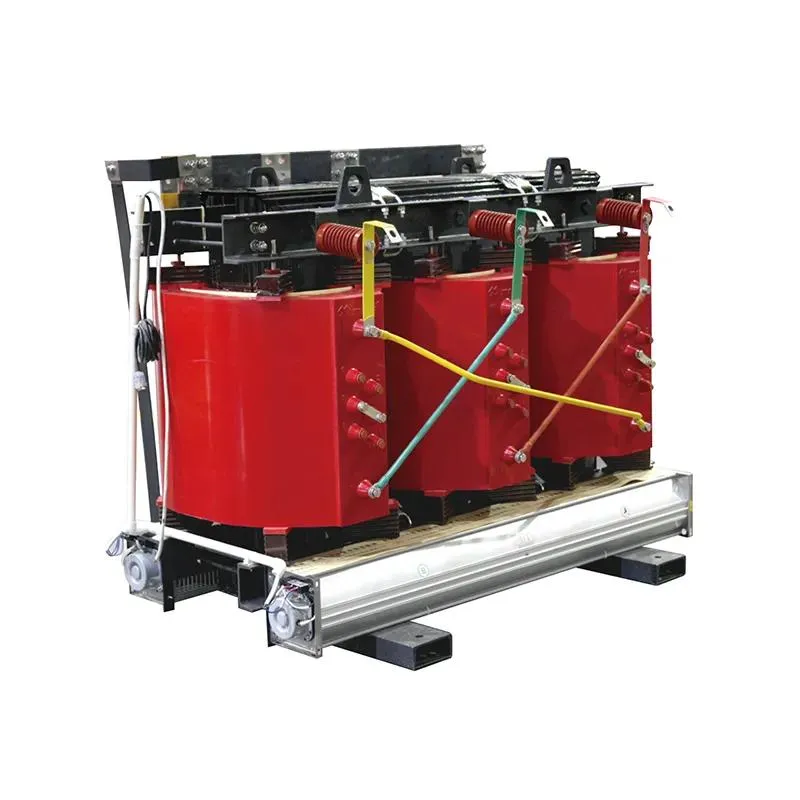
Types of Current Transformers
Several designs for current transformers exist and each one is designed to meet a specific application and requirement. Now, let’s take a look at some of the most commonly used types of current transformers.
1. Window Type Current Transformers: The designer of this type of transformer collected them all into one central location so they could all work together. Therefore, it is essential that they all fit within the same area for maximum performance and efficiency.
2. Bushing Type Current Transformers: These electric transformers are massive devices that can be installed on high-voltage bus bars of electrical system equipment, and they have been purposely constructed for use in high-voltage environments such as substations to measure and provide protection of critical energy systems.
3. Bar-Type Current Transformers: A bar-type transformer uses straight conductor bars as their primary winding; these transformers tend to be used for high power transmissions and heavy industrial applications because of their durability and ability to handle very high currents.
What is the Use of Current Transformers?
Current transformers have a wide variety of uses, and they are essential components in today’s electrical systems. Important uses for current transformers include:
- Current Measurement: Transformers transform large currents into smaller, more manageable values that can be easily measured using ammeters and watt meters .
- Protective Relaying: CTs are connected to their associated protective relays that detect electrical faults (short circuits and overcurrents) on an electrical system and remove/disconnect the faulted equipment in time to minimize damage.
- Energy Monitoring: They play an essential role in developing energy management systems by monitoring and improving energy use over time.
Advantages of Current Transformers
By selecting to use current transformers, you can enjoy a number of advantages, particularly when employed in higher voltage applications. Some great examples of these include:
- Enhanced Safety: CTs convert high currents into lower and safer ones for use in circuit breakers or other devices, making them essential to protect the worker, equipment and overall safety of a power system.
- Improved Accuracy: A CT measures current precisely, even when the current is exceedingly large, with no unnecessary downtime; thus, improving both the operational efficiency of our electrical systems and the monitoring we do.
- Cost Efficiency: Using CTs reduces the need for large and expensive equipment to measure high currents directly.
- Easy Integration: Many existing systems can be easily integrated with current transformers since they work with almost all protective relays and measuring devices.
Frequently Asked Questions
Here are some commonly asked questions regarding current transformers:
What are the different types of current transformers?
Three primary classifications exist for current transformers (CT) – window type, bushing type, and bar-type. Depending on use, i.e., switchboards, substation, or large-scale, each CT uses one of the three types of measurement technology.
What is the use of current transformers?
Transformers (CT) are commonly used for measurement and protection of current and energy usage in residential and industrial electrical systems alike as part of an electrical infrastructure.
What are the advantages of current transformers?
They offer safe, accurate measurements with good scalability and simple integration into measurement systems to allow for low-cost monitoring of very high-voltage currents.
Conclusion
The importance of current transformers in electrical systems is impossible to overlook. Current transformers provide accurate measurements, increase safety and support the functional operation of protection equipment to meet today’s power distribution challenges. As a buyer or facilities’ manager in industry, understanding the operation, types and advantages of current transformers will assist you in making informed decisions regarding the installation of electricity and safety devices. High-quality current transformers will contribute to the continued reliable and efficient operation of your systems. If you require more information or assistance in choosing a suitable current transformer, talk to your local industry professionals about your needs.

 JUBANG