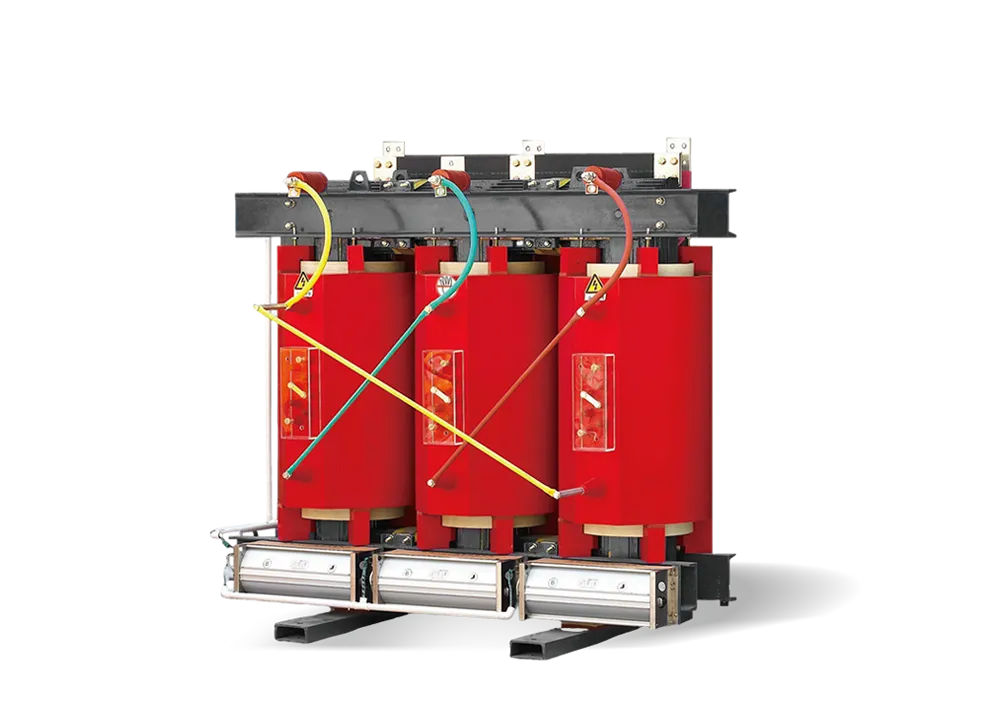
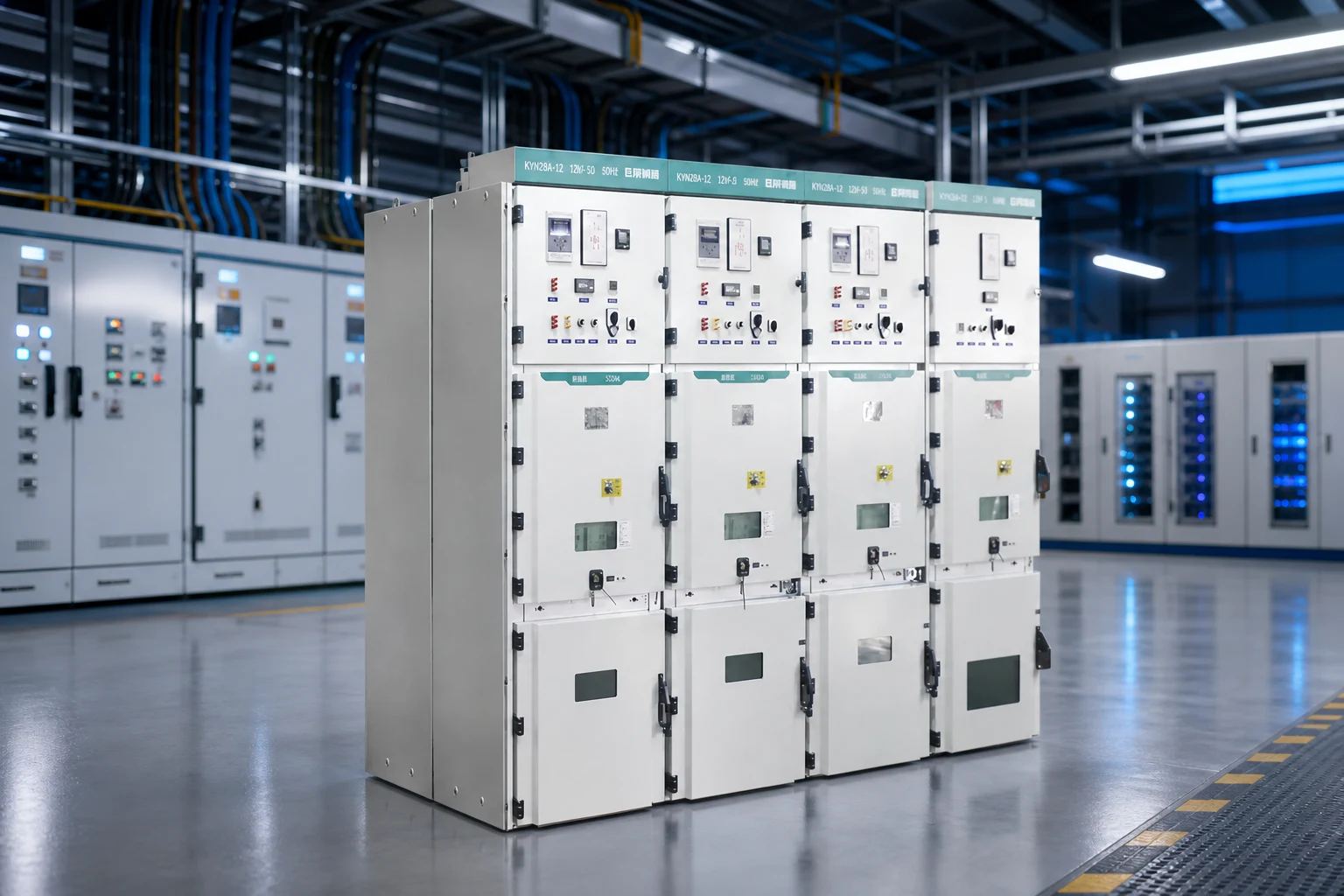
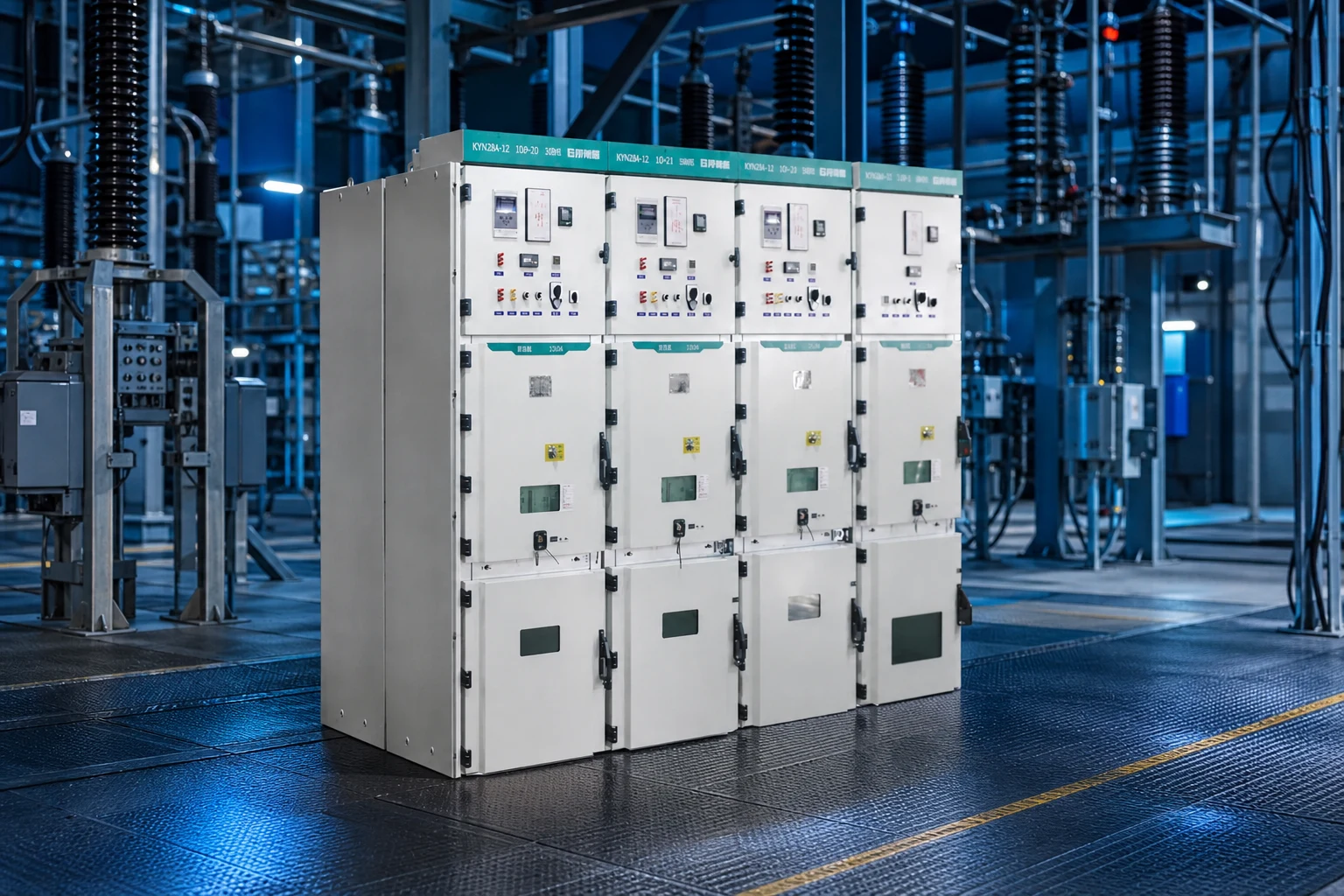
From transformers and switchgear to ring main units, substations, circuit breakers and smart components, Jubang provides integrated product support for power distribution projects.
Discover Jubang’s strengths in technology R&D, quality testing and smart manufacturing, supporting reliable electrical equipment and efficient power distribution solutions for global customers.
From technical consultation and OEM/ODM customization to EPC support, smart O&M, delivery documentation and after-sales service, Jubang supports your project at every stage.
Explore Jubang Group’s development history, intelligent manufacturing base, R&D platforms, CNAS-accredited laboratory and global project service capabilities.
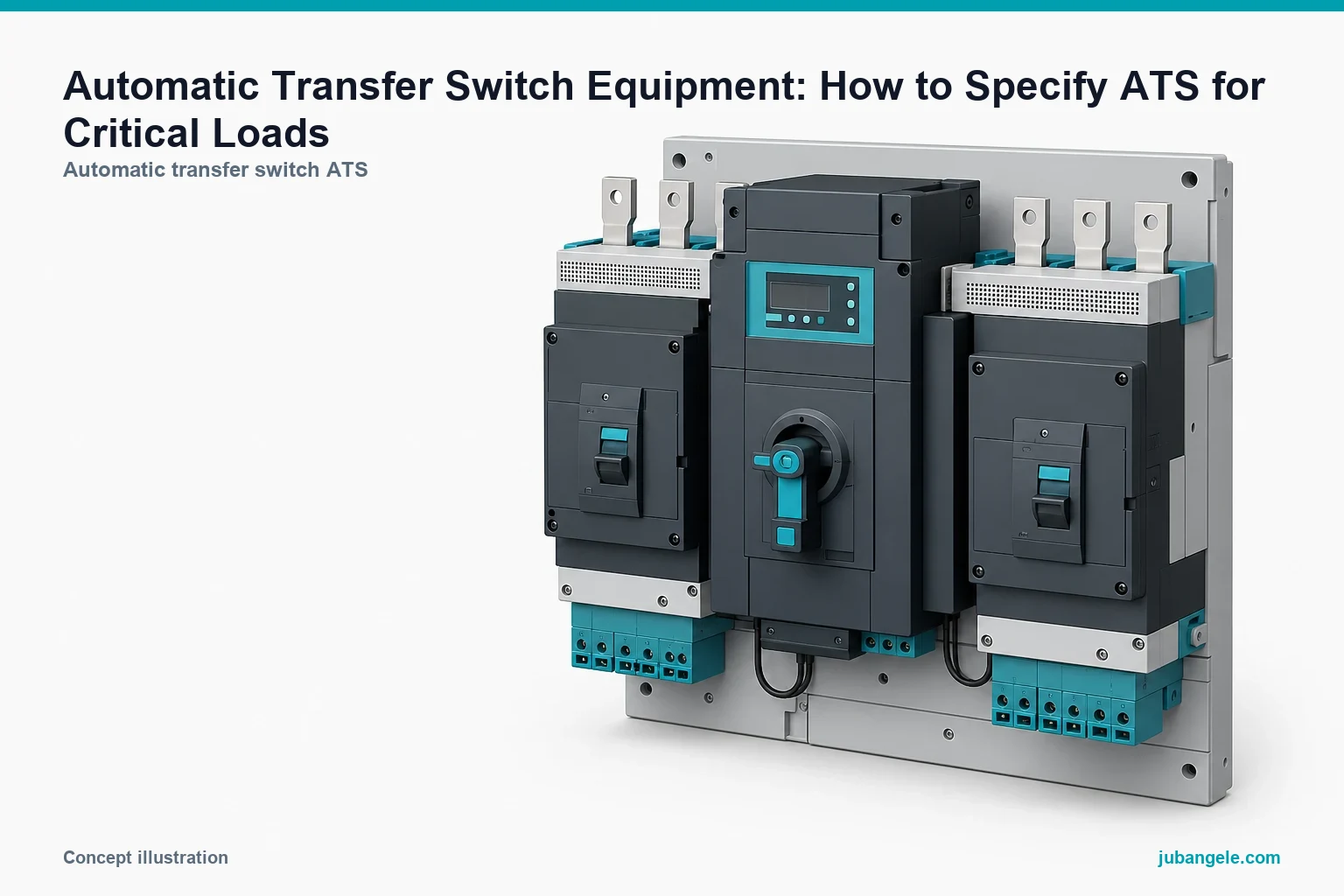
ATS bypass isolation is a project-defined maintenance path that lets crews service transfer equipment under documented isolation rules; it does not automatically guarantee uninterrupted load supply unless the approved design and procedure say so. Use this page to put drawings and approval owners ahead of bypass slogans.
Part 1. How is ATS bypass isolation defined?
It is a documented arrangement that isolates the automatic transfer switch for maintenance while defining what happens to the load path during that work.
Readers searching for ATS bypass isolation usually need a project checklist, not a catalog slogan.
Part 2. Why do bypass sequences stay site-specific?
No. Sequences depend on the installed topology, interlocking, and approved procedure for that site.
Planning item
Evidence
Owner
Transfer topology
Current SLD revision
Design / facility
Isolation boundary
Lockout notes
Operations
Load path during bypass
Procedure step
Responsible authority
Interlocks
Scheme drawing
Controls / supplier data
Part 3. Which drawings belong in the pre-maintenance review?
Review the single-line, transfer scheme, interlocking notes, and lockout boundaries before scheduling work.
Important: Never treat ATS bypass isolation as a promise of uninterrupted power without the approved design and signed procedure for that site. (Source: IEC low-voltage switchgear practice / facility lockout procedures.)
Part 4. What are the continuity limits of bypass isolation language?
Only when the design and procedure explicitly keep an alternate path energized and tested. Bypass language alone is not a continuity promise.
Part 5. Which fields belong in an ATS bypass maintenance RFQ?
Topology, load criticality notes, interlocking expectations, document list, and who approves the maintenance procedure.
Part 6. Who owns approval for the maintenance procedure?
The responsible facility or project authority named in the maintenance governance. Supplier tips do not replace that approval.
Products are exported to more than 100 countries and regions such as Africa, the Middle East, and the United Kingdom and Europe. It is a leading manufacturer of power distribution equipment in China.

 JUBANG