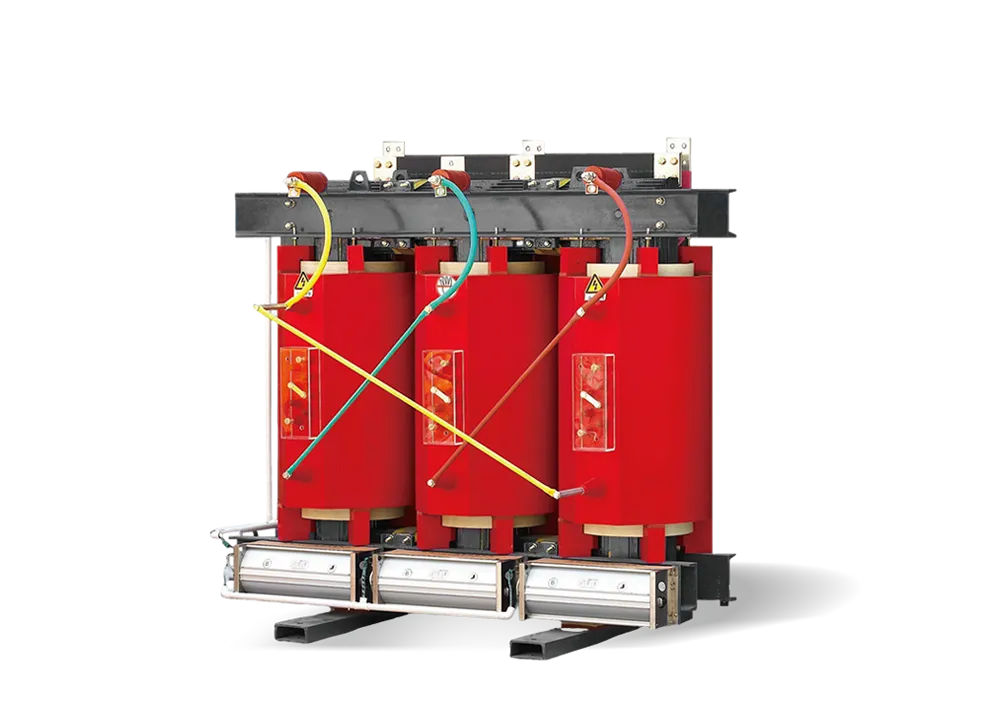
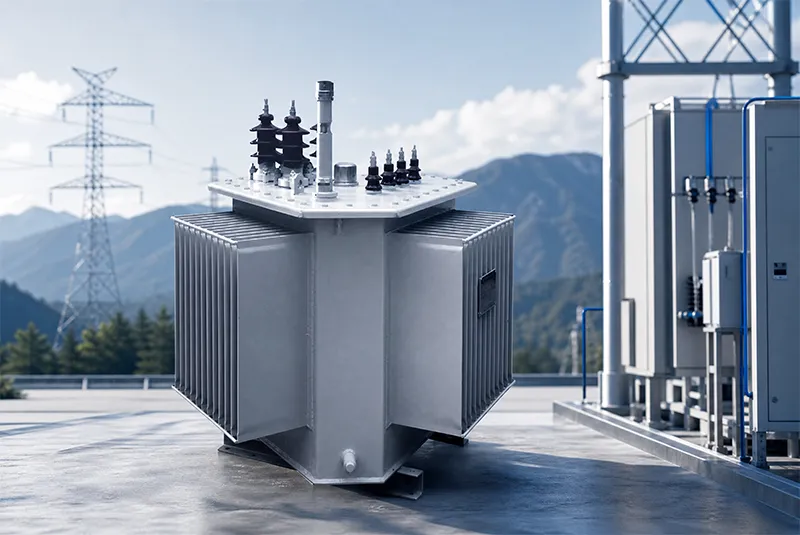
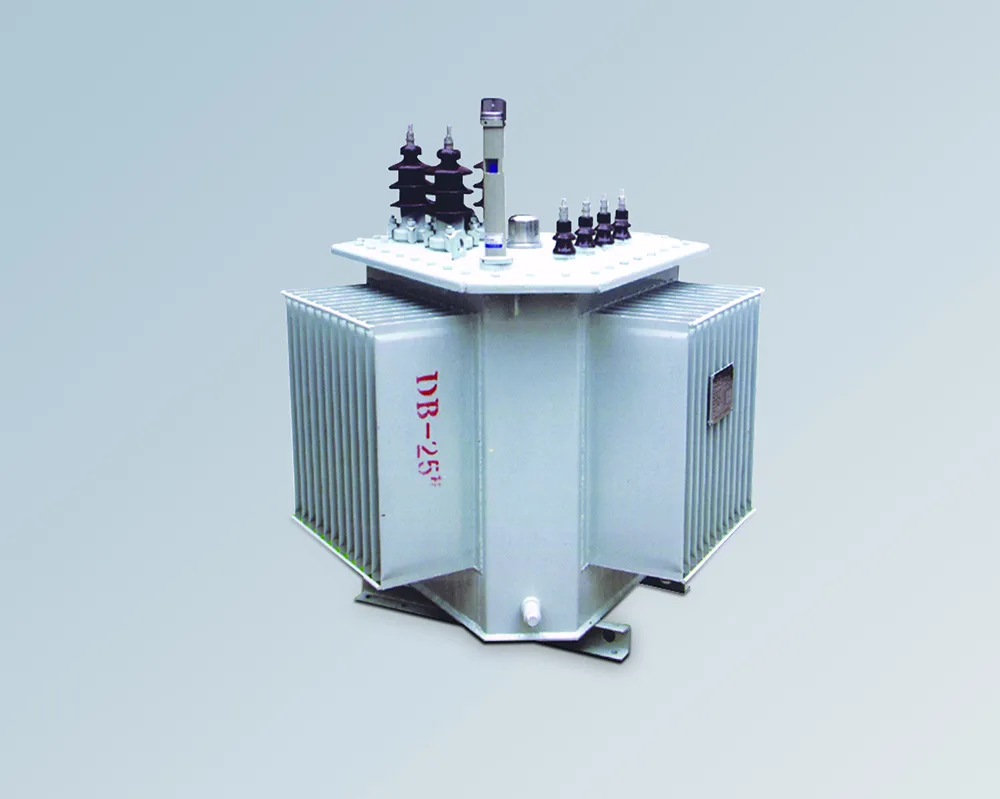
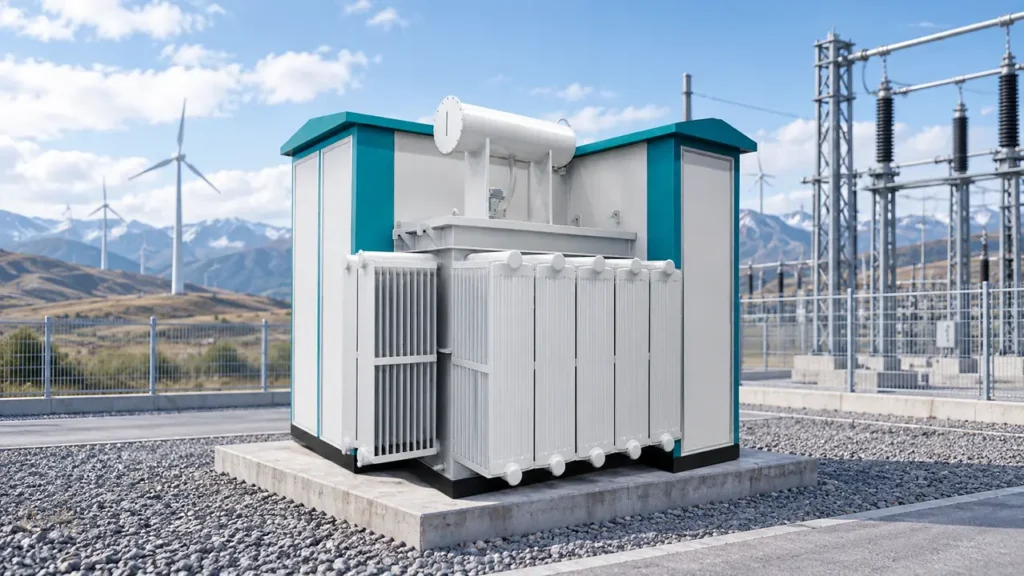
From transformers and switchgear to ring main units, substations, circuit breakers and smart components, Jubang provides integrated product support for power distribution projects.
Discover Jubang’s strengths in technology R&D, quality testing and smart manufacturing, supporting reliable electrical equipment and efficient power distribution solutions for global customers.
From technical consultation and OEM/ODM customization to EPC support, smart O&M, delivery documentation and after-sales service, Jubang supports your project at every stage.
Explore Jubang Group’s development history, intelligent manufacturing base, R&D platforms, CNAS-accredited laboratory and global project service capabilities.
How to Plan Transformer Transport, Lifting and Site Receiving
Release Time: 2026-07-16
Transformer transport and lifting should be planned from the approved documents for the supplied unit. The verified shipment mass, centre of gravity, lifting points, shipment condition, route constraints, and site placement information form the basis for the carrier, lifting contractor, and receiving team to work from one controlled plan.
The goal is not to apply a generic lifting limit. It is to prevent an unverified assumption from becoming a delivery, preservation, or safety problem at site.
Part 1. Build the transport brief before booking equipment
Begin with the approved OEM drawings, packing list, shipment instructions, and project interface documents. A transport brief converts those sources into the questions that must be closed before a carrier, crane, or rigging arrangement is selected.
Keep the latest approved revision with the brief. A superseded drawing or an unconfirmed accessory configuration can make an otherwise sensible plan unsuitable for the transformer that will actually arrive.
Review item
Controlling source
Decision to record
Total shipment mass and dimensions
Approved drawing and shipping documents
Handling configuration and transport constraints
Centre of gravity and lifting lugs
OEM lifting drawing or instructions
Permitted lift arrangement and orientation
Shipment condition
OEM shipping and preservation instructions
Receipt checks and preservation hold points
Delivered accessories and loose items
Packing list
Who receives, protects, and reconciles each item
Site interface
Civil, electrical, and access drawings
Placement location, working space, and handover boundary
The transport coordinator should also name the person who can clarify a discrepancy in the documentation. That contact route is more useful than a generic assumption when a carrier asks a question at short notice.
Part 2. Survey the route and assign permits
A route survey links the origin, public journey, site entrance, internal transport route, and final set-down area. It should identify constraints that can change the feasible vehicle, trailer, escort, delivery window, crane position, or temporary site work.
Responsibility needs to be explicit. The carrier may examine public-road restrictions, while the EPC team may own access-road condition, gate geometry, overhead interfaces, temporary works, and the final approach to the foundation.
Bridges, turns, overhead obstructions, and access geometry
Verified route survey and site walkdown
Transport planner and site representative
Delivery timing and escorts
Permit conditions and delivery sequence
Logistics lead and local authority where applicable
Crane setup and internal movement
Approved site layout and lifting plan
Lifting contractor and project safety lead
Local authorities and project rules decide whether permits, escorts, or specific restrictions apply. Do not treat a previous project’s approval as proof that a new journey has the same conditions.
Part 3. Turn drawings into a rigging and lifting plan
The lifting plan should use the verified mass, centre of gravity, approved lifting lugs, dimensions, and orientation for the supplied transformer. It also needs the lifting contractor’s selected equipment, rigging arrangement, communication method, exclusion controls, ground or support assessment, and placement sequence.
Mass alone is not enough. A centre-of-gravity position, attachment-point instructions, removable accessories, and the permitted attitude during handling can change the allowable arrangement, so the team should use the OEM’s approved lifting information rather than transfer a method from another transformer.
Lift-plan input
Why it matters
Release evidence
Approved lifting points and centre of gravity
Supports the intended pick and orientation
Current OEM drawing or instructions
Transformer mass and delivered configuration
Defines the actual load to be considered
Shipping record reconciled with the unit
Rigging arrangement and lifting equipment
Connects the load to the contractor’s method
Reviewed rigging and lifting plan
Site setup and support conditions
Determines whether the planned position is available
Site assessment under applicable project controls
Set-down, jacking, and placement sequence
Prevents an uncontrolled handoff after the lift
Agreed method statement and responsible persons
Only the designated lifting authority should approve changes to the method. If the drawing, tag, shipment record, or physical configuration does not agree, pause the lift and resolve the discrepancy through the responsible project and OEM contacts.
Part 4. Manage shipment condition and transport evidence
Before unloading, retain the delivery records with the receiver’s observations. Useful evidence can include the condition of packaging, seals, external surfaces, accessories, shipped monitoring devices, and any event record supplied for the journey.
An impact monitor is not a diagnosis by itself. Where one is fitted, record its status and follow the supplied interpretation and escalation procedure before deciding whether the transformer can progress.
The shipment condition also matters. A nitrogen-filled transformer and an oil-filled transformer may have different inspection and preservation requirements, but the relevant procedure is the one issued for that unit by its OEM. Do not open, vent, pressurise, fill, sample, or alter the condition on the basis of a generic transport checklist.
Keep photographs, delivery times, carrier documents, and condition observations together. A clear record helps the project separate a transport question from a later installation issue without assigning cause before the required review.
Part 5. Receive, jack and place without losing preservation control
Receipt inspection starts before the unit is accepted into the site sequence. Compare the delivered transformer and loose items with the packing list and approved documentation, then document visible damage, missing protection, unusual indications, and any mismatch for review.
Jacking and placement require the OEM procedure and the approved project method. The receiving team should confirm the intended support points, final orientation, placement interface, and preservation actions before moving from temporary transport support to the project location.
Stage
What to verify
Record or escalation trigger
Arrival
Identity, documents, packaging, accessories, and visible condition
Receipt record; isolate discrepancies for review
Before unloading
Shipment condition and supplied monitoring evidence
OEM-directed hold point where an anomaly exists
Before jacking
Approved support and jacking instructions
Stop if the supplied method is missing or conflicts
Before placement
Foundation interface, orientation, and access to protect accessories
Placement record and responsible-person sign-off
After placement
Preservation state and protection of exposed interfaces
Follow OEM instructions; escalate uncertainty
Preservation is continuous, not a task to revisit only at commissioning. Protecting the transformer from moisture, contamination, damage, or an unauthorised change in condition is a project responsibility until the next controlled handover.
Part 6. Escalate abnormalities before installation proceeds
Not every unusual observation proves damage, but every unresolved transport or receipt anomaly needs an owner and a documented disposition. Examples include a monitor event, damaged packing, suspected leakage, an unexplained pressure or oil-condition indication, missing accessories, a drawing mismatch, or a visible issue at a lifting point.
The appropriate response is to stop the affected activity, preserve the evidence, notify the responsible project party, and obtain the required OEM or engineering direction. Continuing because the crane or delivery team is waiting can remove the opportunity to assess the condition correctly.
Installation, testing, or energization should not be used to discover whether a transport concern was acceptable. The project’s acceptance plan, manufacturer documentation, and qualified personnel determine the next inspection, test, repair, or release step.
Part 7. Match the equipment inquiry to the transport plan
This planning method fits projects that can work from approved unit documents and appoint qualified transport and lifting parties. It is not a replacement for a route survey, local permit decision, engineered lifting plan, OEM preservation instruction, or an engineering disposition after a receipt anomaly.
RFQ Input Checklist
Share the following information when requesting a transport-compatible transformer proposal or document review:
What documents are needed for transformer transport and lifting?
Use the approved OEM drawings, shipping instructions, packing list, verified shipment mass, centre-of-gravity and lifting-point information, shipment-condition requirements, route survey findings, and project lifting plan. The project should also name the responsible parties for permits, delivery receipt, preservation, and escalation.
Is the shipping mass enough to plan a transformer lift?
No. The lifting team also needs the approved centre of gravity, lifting points, delivered configuration, permitted orientation, rigging method, lifting equipment, and site conditions. The approved plan must address the supplied transformer rather than a comparable unit.
Who decides whether a route survey or permit is required?
The applicable local authority, carrier, project logistics lead, and site team determine that requirement. Their decision depends on the proposed journey, vehicle, timing, access conditions, and local rules.
Can a transformer be opened immediately after delivery?
Only if the supplied OEM instructions allow the relevant action. Nitrogen-filled and oil-filled shipment conditions can require different procedures, so the team should confirm the documented condition and preservation requirements first.
What should be done after an impact monitor indicates an event?
Record the event, preserve the related delivery evidence, and follow the OEM and project escalation procedure. An event indication should be reviewed before the project decides whether handling, inspection, or later work may continue.
Are transformer lifting lugs interchangeable with other lifting points?
No generic assumption is safe. Use only the lifting points and method identified for the supplied transformer in the approved OEM documentation.
What belongs in a transformer transport RFQ?
Include the electrical specification, required drawings, shipment mass and centre-of-gravity information, transport origin and destination, route constraints, site access, lifting and placement responsibilities, preservation requirements, receiving records, and applicable project requirements.
Products are exported to more than 100 countries and regions such as Africa, the Middle East, and the United Kingdom and Europe. It is a leading manufacturer of power distribution equipment in China.

 JUBANG